

Quick Takeaways
- Group tours lower the cost & bring companionship, as we highlight in this solo safari guide for Africa.
- Some lodges waive or reduce single supplements for solo travellers.
- Expert planning is key — logistics, transfers, and safety matter more when you’re alone.
- Travel in shoulder or low season often gives better value & flexibility.
- Solo doesn’t mean lonely — you can balance privacy with social opportunities on safari.
1. What Is a “Single Supplement” (or Single Occupancy)?
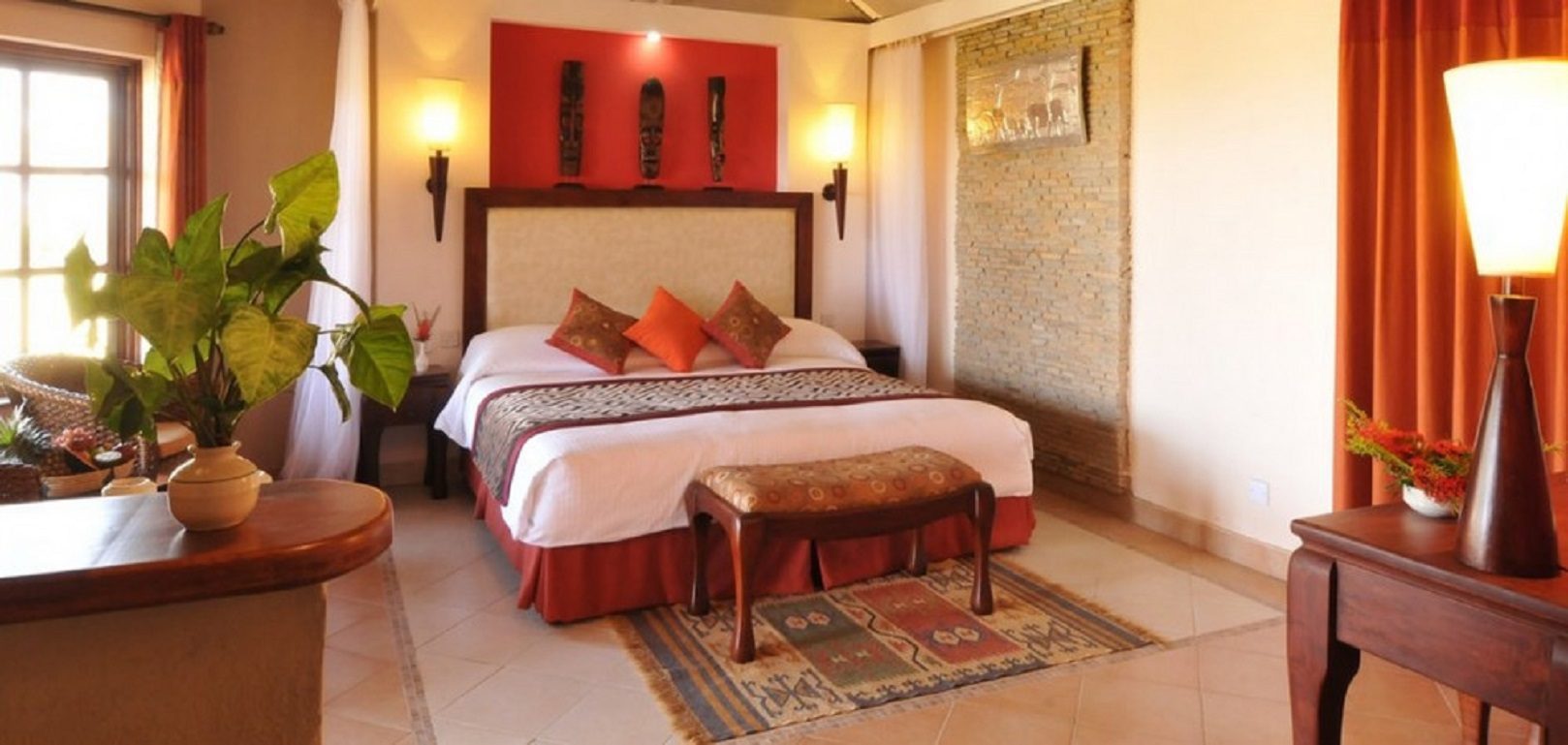
The single supplement is an additional fee charged to solo travellers because most safari accommodations price rooms based on double occupancy.
In a typical lodge or camp, infrastructure and staff costs are built assuming two guests will share a room. When only one guest is booked, the lodge may impose a “single supplement” to cover the “empty bed” cost. These surcharges can range from 25% up to 75% extra over the per-person shared rate.
Some lodges, especially in off-peak times, may waive or reduce the single supplement. But these offers are limited — frequently only one room is available for solo booking without extras, so booking early is critical.
2. Can You Go on Safari Alone?
Absolutely — many safari operators specialize in solo traveller departures, or allow you to join scheduled group tours as a solo guest.
Benuki Safaris has been designing safari trips for singles, and our experience shows that solo travellers regularly enjoy safe, memorable, and flexible adventures.
We’ll often meet you at your arrival points (airports, lodges) with our guides, ensuring you’re never left stranded. And because your itinerary is managed, all transfers, accommodations, and activities are personalized and secure — removing stress many first-time solo travellers fear.

3. How to Plan Your Solo Safari (Top Tips)
Borrowing from our usual planning advice, here are key strategies:
a) Book Early
Rooms that waive single supplements are limited. Early booking gives you the best shot at securing those slots.
b) Choose Your Travel Season Wisely
Low or “green” seasons often bring better rates and fewer crowds, which is advantageous for solo travellers. But note: chartered flights may require a minimum number of passengers — in low season, you may need to pay for an extra seat.
c) Opt for Tailor-Made Itineraries
Not all lodges or camps accommodate solo travellers equally. We can recommend those that do — and build in logistics (flights, ground transfers) that suit your solo travel needs.
d) Be Clear About Your Preferences
When communicating with your Travel consultant, share:
- Do you prefer communal or private dining?
- Do you want to join group departures or want full independence?
- Which activities excite you (balloon safaris, cultural walks, photography)?
- The type of crowd you prefer (quiet vs lively).
- Any special health or mobility needs.
Your tour consultant will craft an itinerary around what matters most to you.
4. Safety & Solo Travel Etiquette
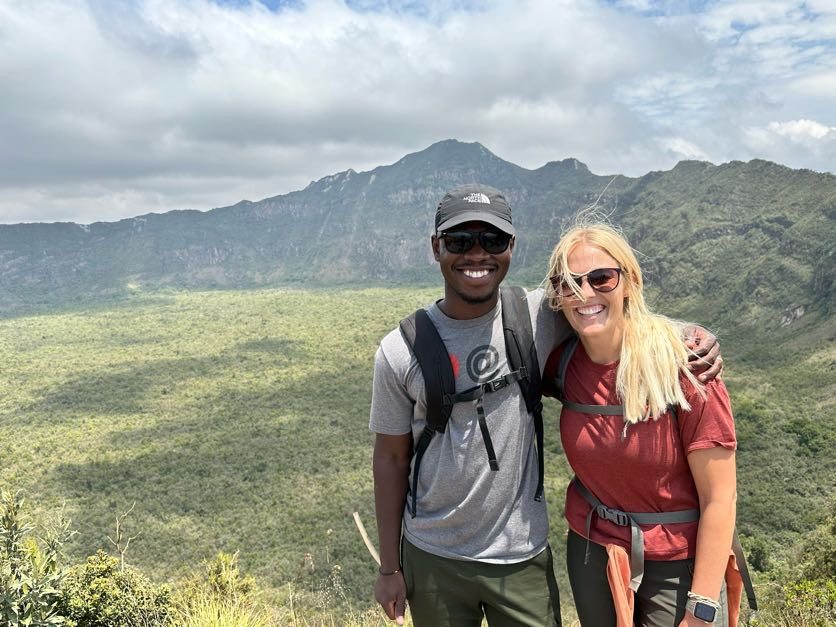
a) Use full-service operators & meet-and-greet transfers
When traveling solo, knowing someone will meet you at each leg of your journey reduces risk. Reputable safari companies should provide meet-and-greet services.
b) Share your itinerary with family/friends
Let someone trustable know where you’ll be each day and how to contact your operator.
c) Avoid walking alone at night in cities
While on safari, you’re safe under guide supervision, but in cities (Nairobi, Arusha, etc.), stick to trusted transport and avoid isolated walking after dark.
d) Use communal tours or group activities
Joining group drives, city tours, or cultural excursions can help you meet travellers while maintaining safety.
5. Best Destinations & Lodges in East Africa for Solo Travelers
When planning a solo safari, choosing the right destination and lodge makes all the difference. Some camps naturally attract solo travelers by offering shared game drives, communal dining, and waived or reduced single supplements. Here’s a breakdown of the best countries and lodges in East Africa for solo adventurers:

Kenya
- Kenya has a strong safari infrastructure, meaning you’ll find both private and group departures.
- Shared 4×4 game drives and sundowners make it easy to meet people.
- Domestic flights between parks cut down on long, lonely road transfers.
Top Solo-Friendly Lodges/Camps in Kenya:
- Basecamp Explorer (Masai Mara): Famous for eco-tourism and community engagement, plus shared activities and a welcoming campfire atmosphere.
- Mara Intrepids Camp: Central location with shared game drives, ideal for first-timers.
- Ol Pejeta Bush Camp (Laikipia): Great for conservation-minded solo travelers; activities include rhino tracking with rangers.
- Porini Camps (Mara & Amboseli): Small, intimate tented camps where everyone dines together — easy for solos to feel included.
Tanzania
- Tanzania’s northern circuit (Serengeti, Ngorongoro, Tarangire, Lake Manyara) has a steady flow of travelers, so joining a group safari is simple.
- Many lodges operate scheduled open vehicles rather than private-use, so solo guests naturally mix.
Top Solo-Friendly Lodges/Camps in Tanzania:
- Serena Safari Lodges (Serengeti, Ngorongoro, Manyara): Midrange, reliable, and with plenty of other travelers — perfect for solo safety and socializing.
- Kati Kati Tented Camp (Serengeti): A mobile camp that’s budget-friendly and attracts adventurous solos.
- Lemala Ngorongoro Camp: Small-group style camp at the crater rim, cozy atmosphere.
- Tarangire Safari Lodge: Communal dining deck with incredible views, draws a mix of solo and group travelers.
Uganda – Gorilla Treks & Small-Group Atmosphere
- Gorilla trekking is naturally group-based — permits are allocated in groups of up to 8 trekkers, so you’re never alone.
- Uganda’s lodges are smaller, creating intimate and social settings.
Top Solo-Friendly Lodges/Camps in Uganda:
- Buhoma Lodge (Bwindi): Right inside Bwindi, all-inclusive with communal spaces; great for bonding after gorilla treks.
- Mahogany Springs (Bwindi): Known for warm staff and family-style dining, making solo travelers feel at home.
- Kibale Forest Camp: For chimp trekking in Kibale — budget-friendly and social.
- Red Chilli Rest Camp (Murchison Falls): Backpacker-friendly, great for meeting other solo travelers before safaris and boat cruises.
Rwanda – Premium but Welcoming for Solos
- Rwanda is small and easy to navigate, making transfers stress-free for solos.
- Gorilla trekking in Volcanoes National Park is always in small groups, which encourages bonding.
- Rwanda caters to higher-end tourism, so lodges are polished with excellent service.
Top Solo-Friendly Lodges/Camps in Rwanda:
- Sabyinyo Silverback Lodge (Volcanoes): Luxury but very warm atmosphere, with shared fireplaces and dinners.
- Virunga Lodge (Volcanoes): Spectacular views and small group feel; staff make a big effort to connect guests.
- Hotel des Mille Collines (Kigali): A good solo base pre/post trek, with other international travelers passing through.
Pro Tip for Solos Choosing Lodges
- Look for properties with communal dining (instead of private tables).
- Choose camps that include shared game drives/treks in the rate.
- Ask your operator to book you into camps with a reputation for being solo-friendly — some even run “no single supplement” promos in low season (April–June, November).
6. Frequently Asked Questions (Solo Safari Edition)
1. Is it safe to go on safari alone?
Yes, African safaris are generally very safe for solo travelers, especially when you book through a reputable operator. Camps and lodges are well-secured, and game drives are always guided. Most risks come from cities, so it’s wise to use transfers arranged by your operator.
2. Will I feel lonely on a solo safari?
Not at all. Many lodges have communal dining, shared vehicles, and campfire evenings that make it easy to connect with fellow travelers. Plus, joining a group safari is an option if you’d like more social interaction.
3. How much does a solo safari cost compared to group travel?
Solo safaris usually cost more because of the “single supplement” charged by lodges. However, joining a small group safari or choosing lodges with no or low single supplements can make it much more affordable.
4. Can I join a group safari if I book alone?
Yes, many safari companies offer small group departures that welcome solo travelers. This is a great way to reduce costs and meet like-minded adventurers.
5. Which destinations are best for solo travelers?
Kenya, Tanzania, and South Africa are the most popular and solo-friendly. They have well-established safari circuits, a variety of group tours, and excellent safety records in safari regions.
6. What about single supplements—are they unavoidable?
Not always. Some camps waive them in the low season or run promotions for solo travelers. Booking early or being flexible with travel dates can help you avoid or reduce these costs.
7. Is a private safari worth it for a solo traveler?
It depends on your budget and preferences. A private safari gives you full flexibility and privacy, while a group safari is more affordable and social. Many solo travelers choose a mix—joining group drives while having private time at the lodge.
8. How do I meet other people on safari?
Through shared game drives, sundowners, campfire evenings, and lodge activities. Safari culture is naturally social, so you’ll find plenty of opportunities to connect.
9. What should I pack differently as a solo traveler?
Pack light but smart—carry essentials like a good book, power bank, and a lightweight daypack. Since you won’t have a travel buddy to borrow from, it’s better to be self-sufficient with chargers, medication, and personal items.
10. How do I stay safe before and after my safari?
Stick to trusted transfers, avoid walking alone at night in cities like Nairobi or Arusha, and follow local advice. Booking hotels with good security and arranging airport pickups through your operator adds peace of mind.

7. How Much Does a Solo Safari Cost?
Costs depend heavily on the destination, accommodation level, transfers, and season. But here’s a general framework:
| Tier | Approx Cost/Day (USD) | What It Covers | Solo Considerations |
|---|---|---|---|
| Midrange | $250 – $450 | Lodge, meals, game drives, internal transfers | Single supplement may add 20–40% |
| Luxury | $600 – $1,200+ | High-end lodges, private guides, charter flights | Charter flights may require full-seat purchase |
| Budget / Group | $150 – $300 | Shared vehicles, basic lodges | Cheaper, but less comfort and privacy |
To reduce cost:
- Travel in shoulder or low seasons
- Stay longer in fewer parks
- Join group departures
- Choose lodges that waive single supplements
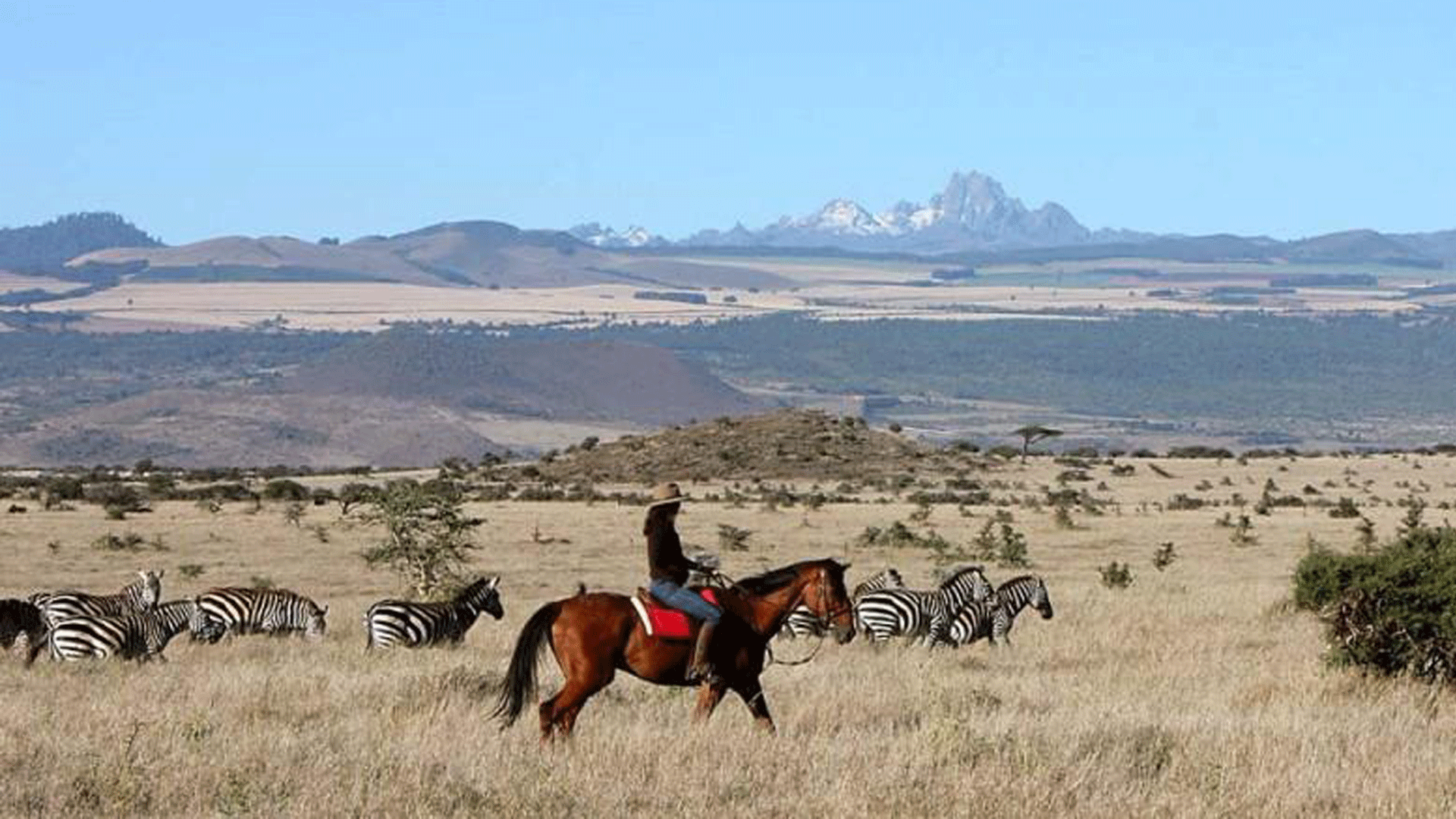
8. Should You Join a Group or Go Private?
Group Tours
Pros: cheaper, social, easier logistics. Many group safaris accept solo travellers as participants.
Private Safaris
Pros: totally tailored to your preferences. You set the pace, the route, and the stops.
Cons: more expensive. But if your budget allows, this is ideal for complete freedom.
Many solo travellers mix both approaches—join a group for parts probably in gamedrives, then extend privately.
9. Packing & Logistics for Solo Travelers
A few extra considerations when traveling solo:
- Meet-and-greet support: Confirm someone meets you on arrival and handles all transfers.
- Backup power & chargers: In case you’re the only one in your vehicle, you’ll need power for devices.
- Portable safe / lockbox: Adds extra peace of mind for valuables in your room.
- Solo travel gear: A good journal, a lightweight daypack, and noise-cancelling earplugs for rest periods.
10. Sample Day-to-Day kenya nad Tanzania Solo Safari Itinerary
Here’s how a 12-day solo safari might flow:
| Day | Location | Activities | Notes for Solo Traveller |
|---|---|---|---|
| 1 | Arrival city (e.g. Nairobi) | Arrival & rest | Meet & greet, rest, coordinate next day |
| 2 | Nairobi → Masai Mara | Transfer + half-day game drive | Private transfers help for comfort |
| 3–4 | Masai Mara full days | Morning & afternoon game drives | Group or private drives depending on your plan |
| 5 | Masai Mara → Serengeti | Transfer by flight + evening drive | travel day, with good rest at lodge |
| 6-7 | Serengeti Full day | Wildlife + scenic migration herds views | Relaxed pace for solo traveller |
| 8 | Ngorongoro Crater | Depart for Ngorongoro and game drive | Ensure smooth return transfers |
| 9 | Tarangire National Park | Depart for Tarangire and game drive | Private Transfer and afternoon gamedrive |
| 10-11 | Amboseli | Depart for Amboseli with 2 days of game drives | Private Transfer and game drive |
| 12 | Departure | travel day, with good rest at the lodge | Return transfer to Nairobi |
You can tweak by replacing one stay with a cultural village visit or short trek for variety.
11. Tips to Make the Most of Your Solo Safari
- Be open to conversation at meals, on drives — many solo travellers find lifelong travel friends in these meet-ups.
- Communicate your pace to your guide — eat slower, rest more, skip early wakeups if needed.
- Balance social vs solo time — you don’t have to do everything with others.
- Use shared experiences (sunset drives, dinners, cultural tours) to connect.
- Stay in touch — make sure your operator provides 24/7 support and that you have emergency contacts.
Conclusion & Call to Action
Solo safaris are not just possible — they can be magical, liberating, and deeply fulfilling. With smart planning, the right operator (Benuki Safaris), and careful choices around timing, accommodation, and logistics, you’ll enjoy a journey that’s uniquely yours.
👉 If you’re ready, I can help you now design a solo safari itinerary suited to your budget, pace, and interests — and ensure it fits within your solo safari roadmap. Do you want me to lay that out for you next? Contact us here.