
Introduction
I’ve learned over the years that a senior-friendly safari isn’t about flashy luxury or bragging rights. It’s about the small decisions that make a long day feel easy instead of exhausting. When I first started planning safari travel for seniors and older travelers, I honestly thought a good lodge and lots of animals was enough. Turns out, I was wrong… more than once.
After watching guests struggle with early wake-up calls, stiff safari vehicles, and itineraries that moved way too fast, I realized something important. A safari later in life needs comfort, safety, and a realistic pace above everything else. If those three things are right, African safaris for seniors become joyful instead of stressful.
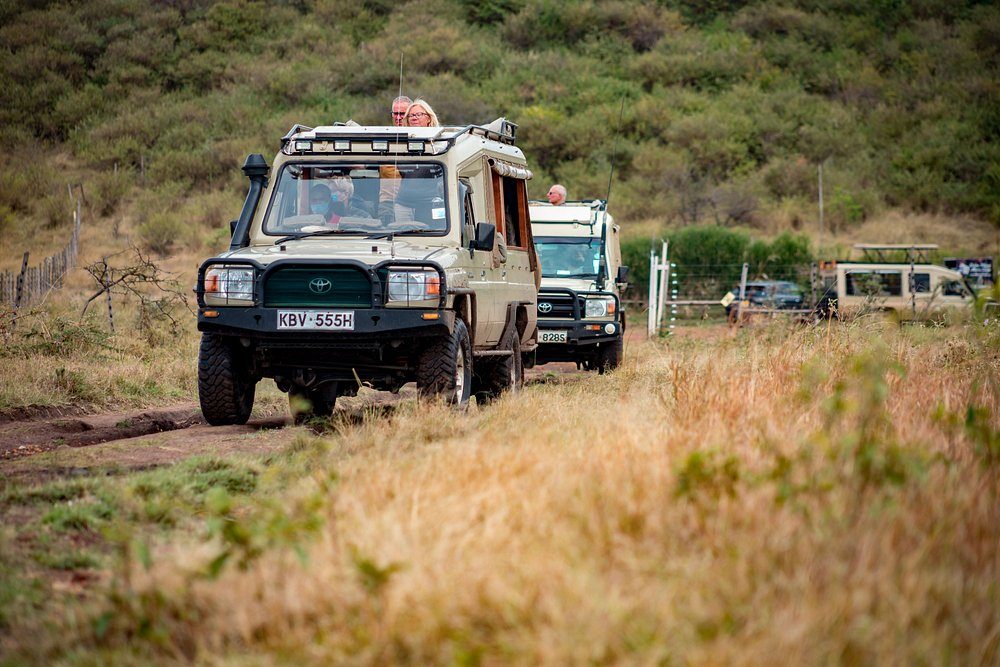
Comfort Comes First on a Senior-Friendly Safari
One of my earliest mistakes was booking a “rustic” camp for a retiree couple because it looked charming online. What the photos didn’t show was the uneven stone paths and the six steps to the bathroom at night. Since then, comfort safaris for seniors are non-negotiable in my planning.
Senior-friendly safari tours should include proper beds, stable flooring, and minimal walking between rooms and common areas. I’ve found that lodges with single-level layouts and ensuite bathrooms make a huge difference for older travelers safari experiences. Temperature control is another thing people forget, cold mornings in the Serengeti or Masai Mara can hit hard if heating isn’t reliable.
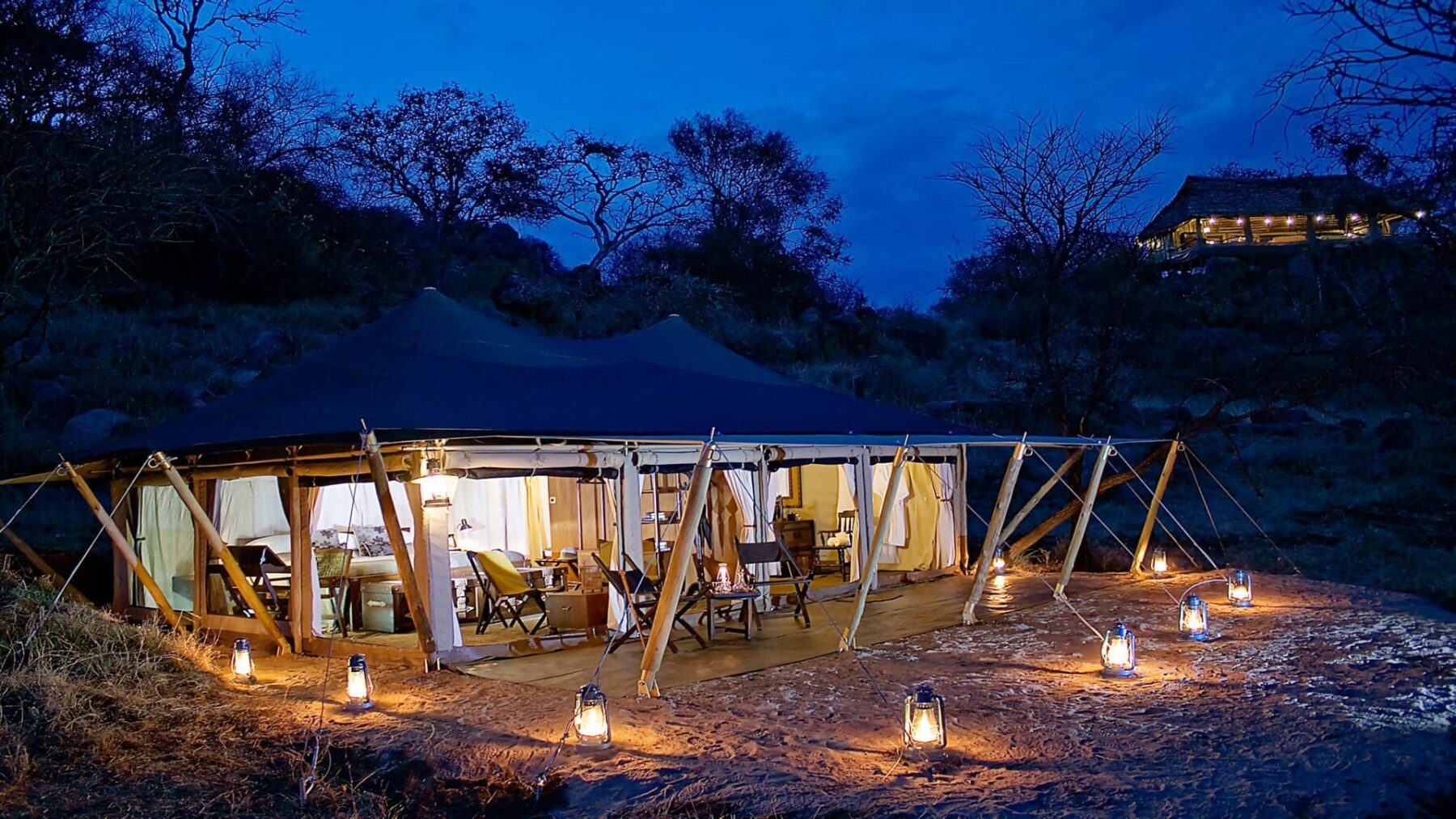
Safety Features That Matter for Older Travelers
Safety used to be something I assumed, until a guest asked me what happens if someone feels unwell mid-safari. That question stuck with me. Safe safari tours for seniors require more than good intentions; they need systems.
The best senior safari tour companies work near reliable clinics and always have evacuation plans. Guides trained in first aid, radios that actually work, and lodges with night security are essential. I’ve learned that seniors don’t want drama, they want peace of mind, and rightly so.
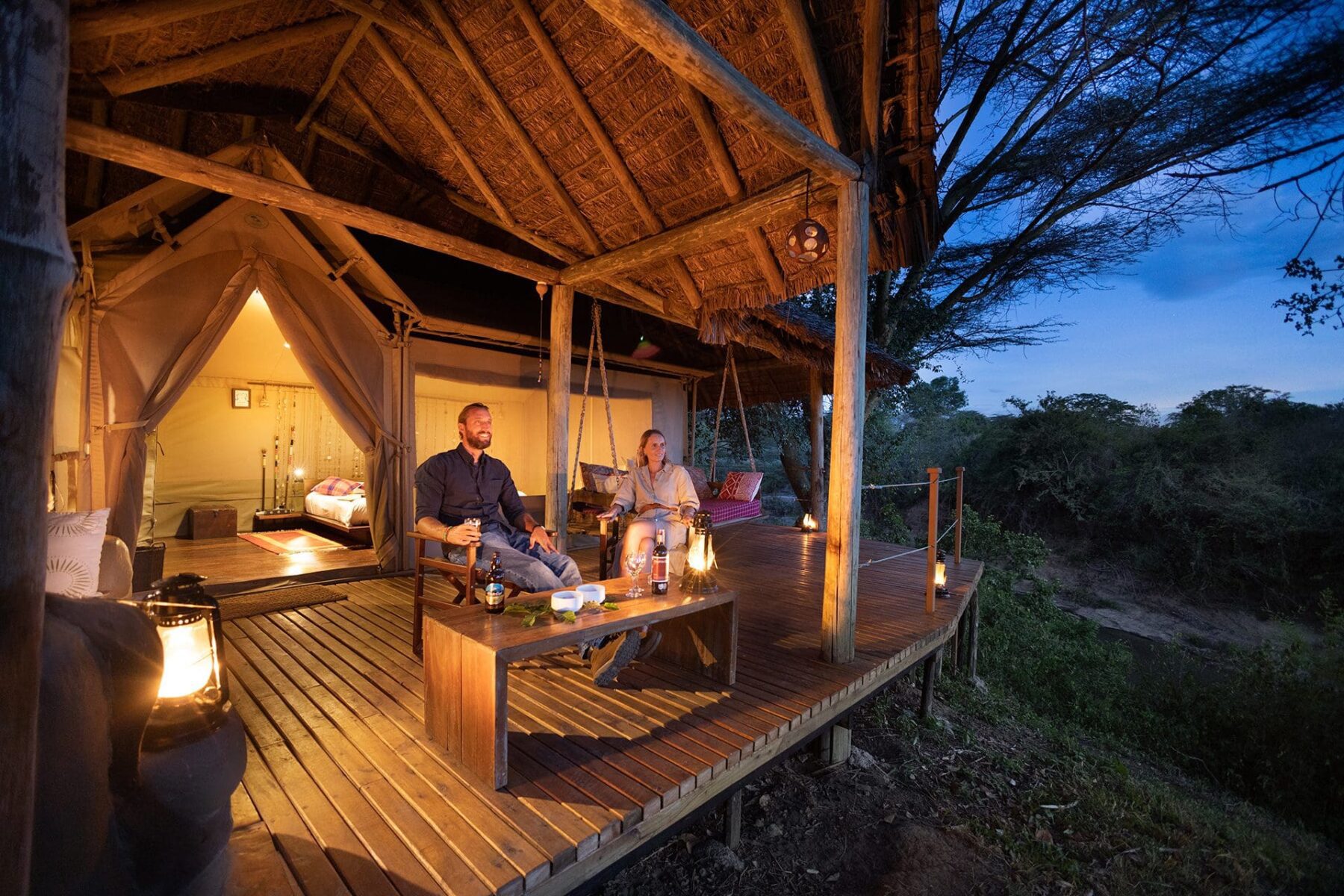
The Right Pace Makes All the Difference
This is where most safari itineraries fail seniors. Long drives, back-to-back parks, and 5:00 a.m. wakeups might excite younger travelers, but they wear down older travelers safari plans fast.
Easy paced safari itineraries allow time to breathe. I now build in midday rest, shorter game drives, and flexible mornings. Slow travel safaris in Africa aren’t boring, they’re better. Guests notice more wildlife when they aren’t exhausted, and honestly, the smiles last longer.
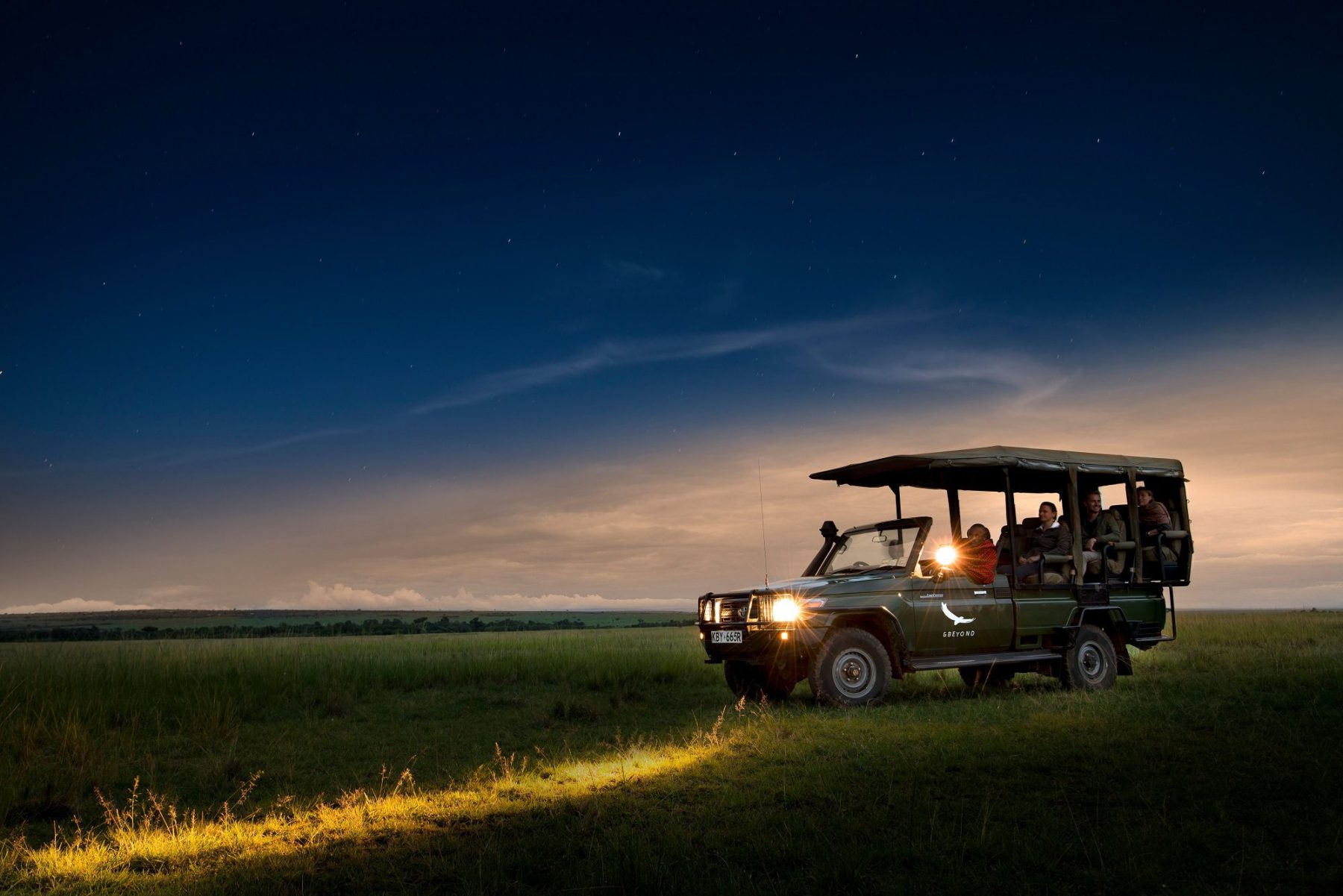
Senior-Friendly Safari Vehicles Explained
If there’s one thing I’ve heard seniors complain about the most, it’s uncomfortable vehicles. Senior-friendly safari vehicles need high seats, proper legroom, and easy entry. Pop-up roofs matter too, because climbing on seats shouldn’t be required.
Fly-in safaris for seniors are a game-changer. They reduce long road transfers and keep energy levels high. I avoided them early on because of cost, but now I see them as an investment in comfort and safety.

Lodges & Camps Designed for Senior Comfort
Not all senior safari lodges advertise themselves that way, but you can feel the difference. Quiet environments, attentive staff, and proximity to wildlife matter. Camps close to the action reduce drive time, which seniors appreciate more than fancy décor.
Senior-friendly safari camps often include handrails, gentle lighting at night, and staff who notice small things—like slower walking speed or dietary needs. Those details don’t show up on booking sites, but they matter.

Health & Medical Planning on Senior Safaris
Health planning is the least exciting part of safari travel for seniors, but it’s one of the most important. I’ve learned to ask about medication storage, access to doctors, and emergency evacuation coverage early.
African safari health planning isn’t about fear, it’s about preparation. Senior safari packages should always include solid travel insurance and clear communication about medical support. When guests know this is handled, they relax.

Guided vs Private Safaris for Seniors
Private safaris for seniors offer flexibility that group tours just can’t match. Being able to return to the lodge early or skip a drive makes a huge difference. That said, small guided safaris for seniors still work well when the group is like-minded.
I usually recommend private safaris for older travelers who value comfort over cost. The freedom is worth it.
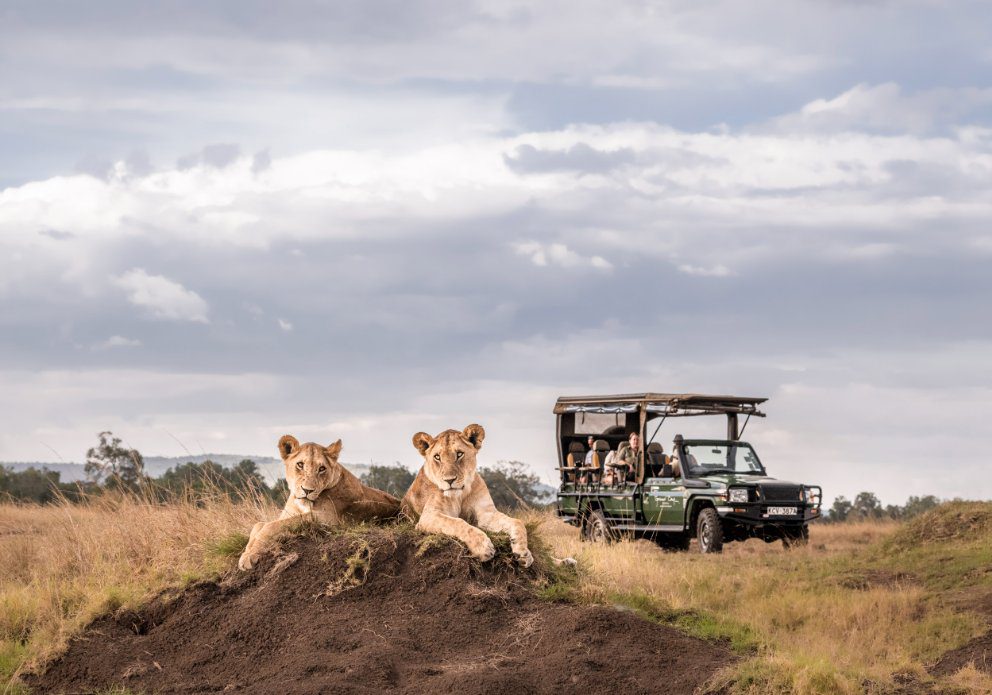
Destinations Best Suited for Senior-Friendly Safaris
Kenya safaris for seniors and Tanzania safaris for seniors consistently perform best. The Masai Mara, Serengeti, and Ngorongoro offer incredible wildlife with good roads and infrastructure.
These destinations balance adventure with accessibility. That’s why they’re ideal for senior adventure travel in Africa, especially for first-timers.
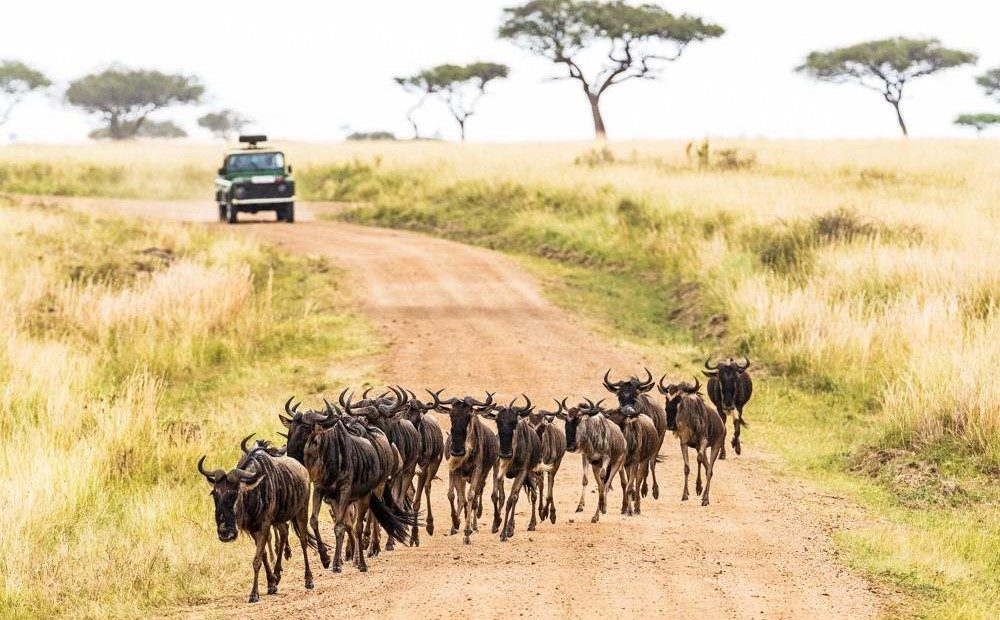
Questions Seniors Should Ask Before Booking
I always encourage seniors to ask direct questions. How long are the drives? Is the safari pace flexible? What medical help is nearby? Senior safari travel tips start with asking the right things.
A safari later in life should feel empowering, not overwhelming.

Conclusion
A truly senior-friendly safari blends comfort, safety, and pace into one smooth experience. After years of planning safari trips for retirees and older travelers, I’ve seen how the right structure transforms anxiety into confidence.
Whether you’re considering Kenya or Tanzania, focusing on senior-friendly safari tours ensures the journey is as memorable as the wildlife. Travel doesn’t have an age limit, it just needs better planning.