

Introduction
“When is the best time for solo safari travel?” If I had a dollar for every time I heard that question while planning trips, I’d probably be on safari right now. And I get it. Timing feels like everything when you’re traveling alone, especially in Africa, where seasons affect wildlife, prices, and even how social your experience feels.
I’ve planned solo safaris in Kenya and Tanzania during peak season chaos and during rainy months when people swear you shouldn’t go. Funny thing is, some of the happiest solo travelers I’ve worked with went during “off” months. Others paid top dollar for peak season and loved every second. The trick is knowing what you want from the trip, not just what Google says.
So let’s talk honestly about the best time for solo safari travel, without the fluff.
Understanding Safari Seasons in Kenya and Tanzania
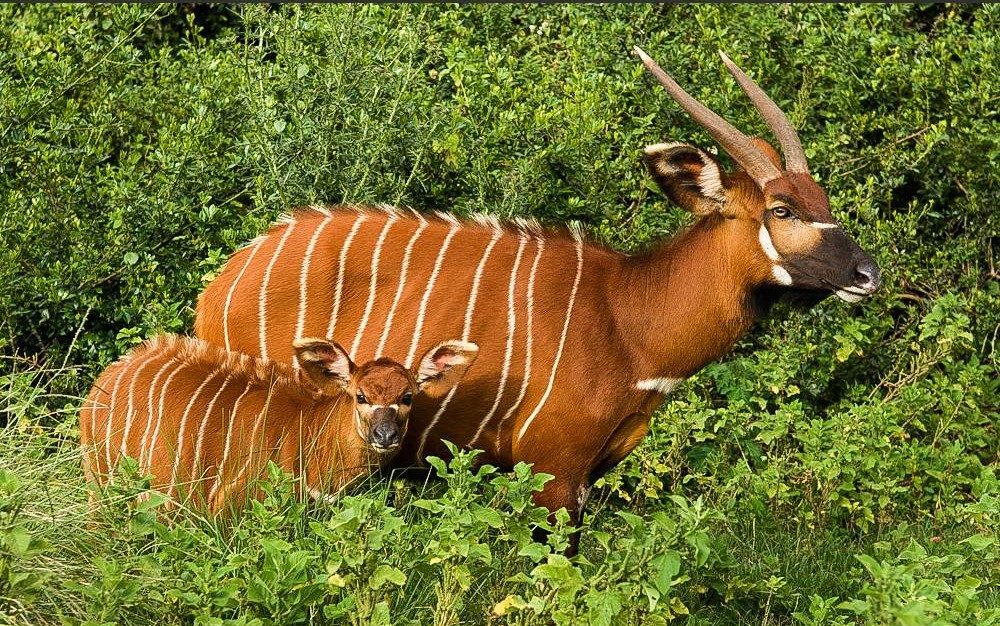
Safari seasons sound simple—dry season good, rainy season bad—but that’s not how it actually plays out on the ground. Kenya and Tanzania both have dry seasons roughly from June to October, and those months bring easier wildlife viewing and predictable weather. But they also bring crowds, higher prices, and fuller vehicles, which some solo travelers don’t love.
Green season, usually March to May and parts of November, gets a bad reputation. Yes, there’s rain, and yes, roads can get messy. But wildlife doesn’t disappear, lodges feel calmer, and costs drop noticeably. I’ve had solo travelers save 30–40% during these months, which is no small thing when single supplements are involved.
Best Time for Wildlife Viewing as a Solo Traveler
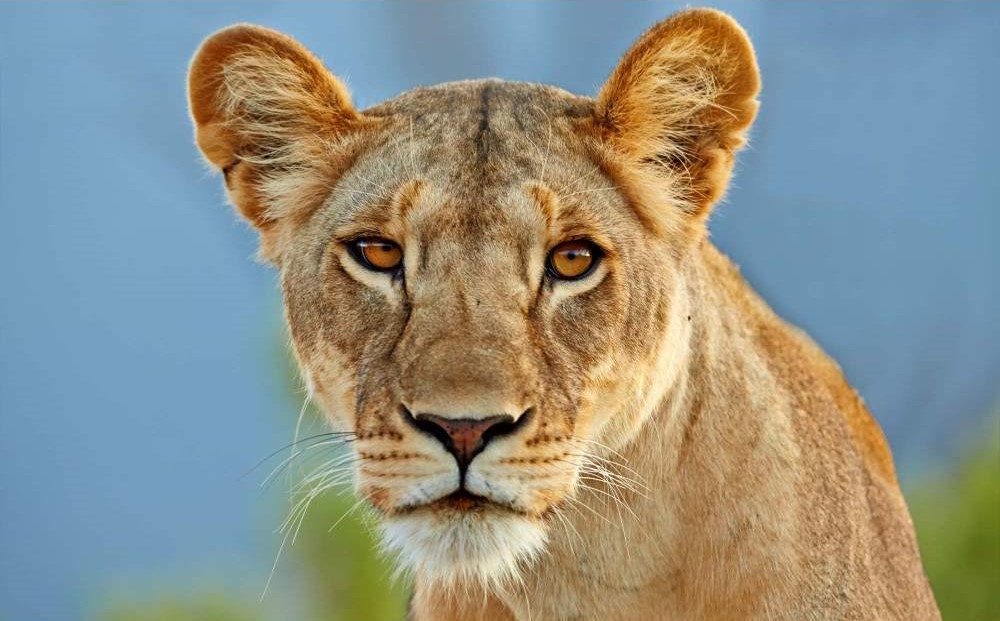
If wildlife is your main goal, dry season is hard to beat. Animals gather around water sources, grass is shorter, and sightings are more predictable. This is especially true in places like the Maasai Mara and Serengeti, where game density gets pretty wild.
That said, I’ve seen incredible wildlife encounters in green season too. Calving season between January and March brings baby animals everywhere, and predators follow. For photographers traveling solo, the softer light and dramatic skies during rainy months can be pure gold, even if you get a little muddy.

Best Time to Visit for Budget Solo Travelers
This is where timing really matters. If you’re a budget-conscious solo traveler, the best time for solo safari travel is often shoulder season—late March or November. Prices drop, availability improves, and operators are more flexible about grouping you with others.
I once helped a solo traveler move their trip from August to early November, and they saved enough to upgrade from a budget camp to a mid-range lodge. Same parks, same wildlife, better sleep. That felt like a win.
Best Time for First-Time Solo Safari Travelers
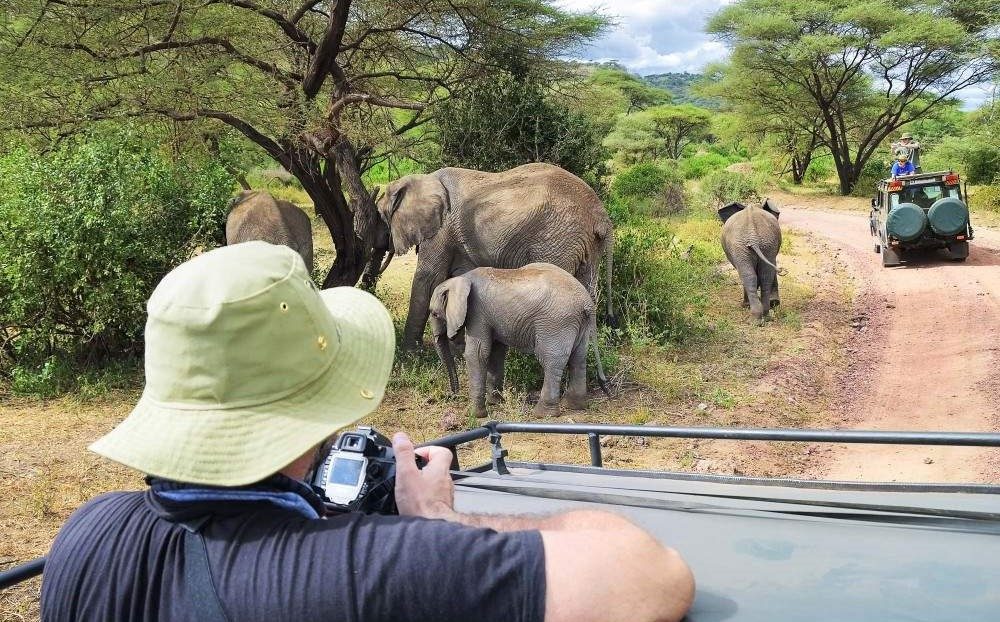
For first-timers, I usually lean toward dry season, especially July through October. Everything runs smoothly during these months. Roads are good, guides are plentiful, and camps are lively without feeling overwhelming.
There’s also comfort in knowing things are predictable when you’re traveling alone. Fewer weather surprises, fewer delays. Confidence matters more than people admit on a first solo safari.
Best Time for Solo Female Safari Travelers
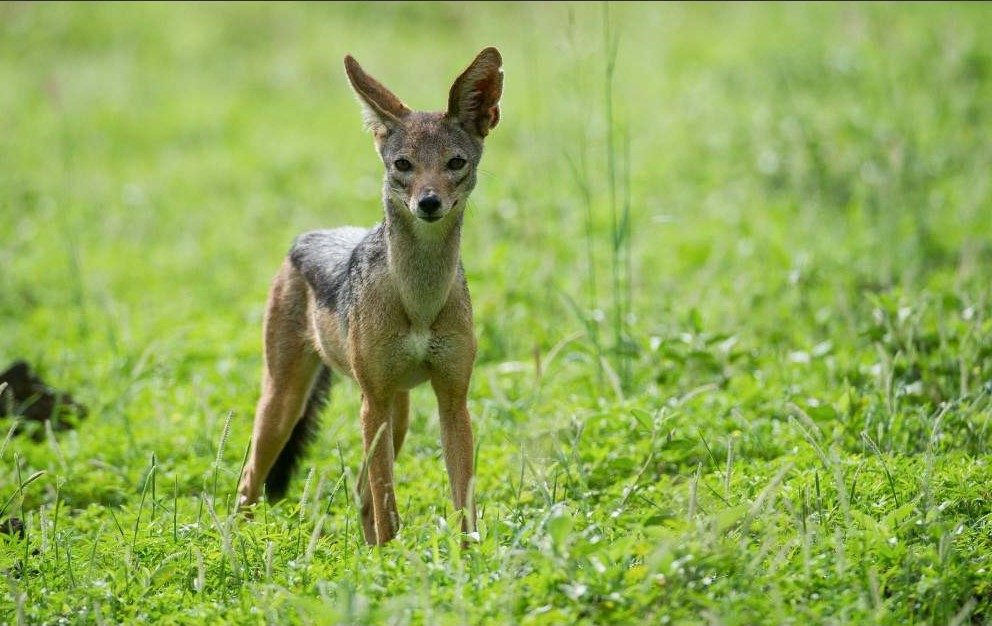
For solo female travelers, timing can affect how social and secure the experience feels. Peak and shoulder seasons usually mean more guests at lodges, which creates a warmer, communal atmosphere. That can be reassuring, especially in the evenings.
During very quiet low-season months, camps can feel empty. Some travelers love that, others find it unsettling. There’s no right answer, but it’s something I always talk through carefully.
Peak Season vs Off-Season for Solo Safaris
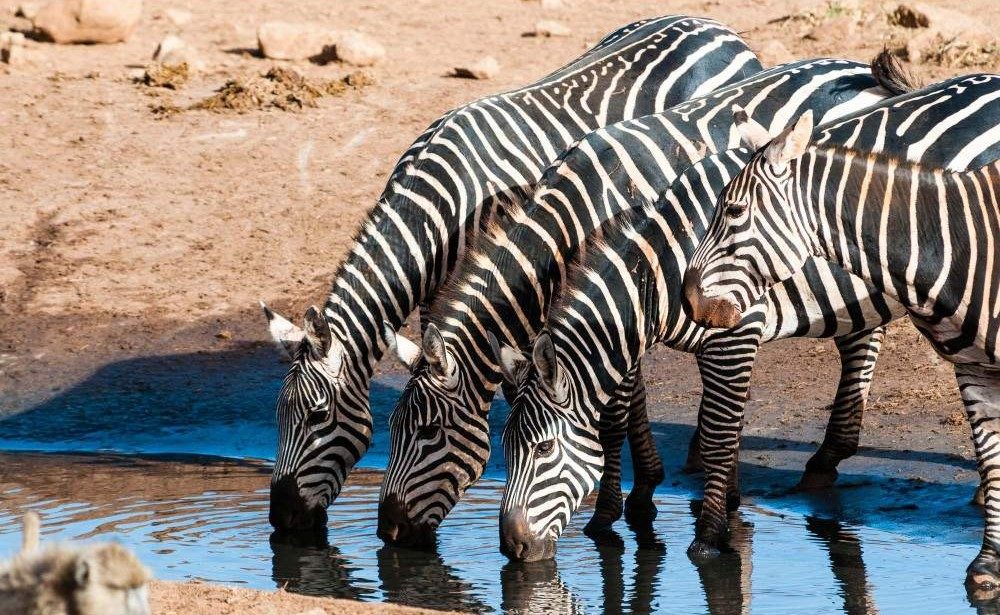
Peak season delivers energy, wildlife, and consistency. Off-season offers savings, space, and a slower pace. I’ve seen solo travelers thrive in both environments, but frustration usually happens when expectations don’t match reality.
If you hate crowds, peak season will test you. If you hate unpredictability, off-season might stress you out. Knowing yourself helps more than any calendar.
Month-by-Month Safari Guide for Solo Travelers
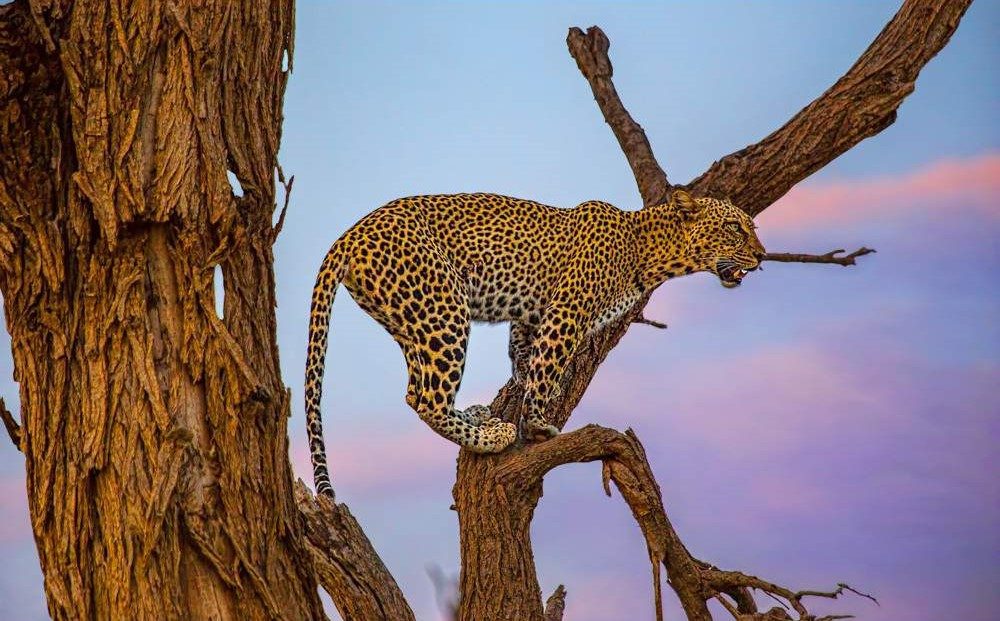
January to March is warm, green, and excellent for photography. April and May are wet but deeply discounted. June to October is prime safari season. November and December are underrated gems with lighter rains and good deals.
I’ve planned safaris in every one of these months, and honestly, none were bad. Just different.
Kenya vs Tanzania Seasonal Differences
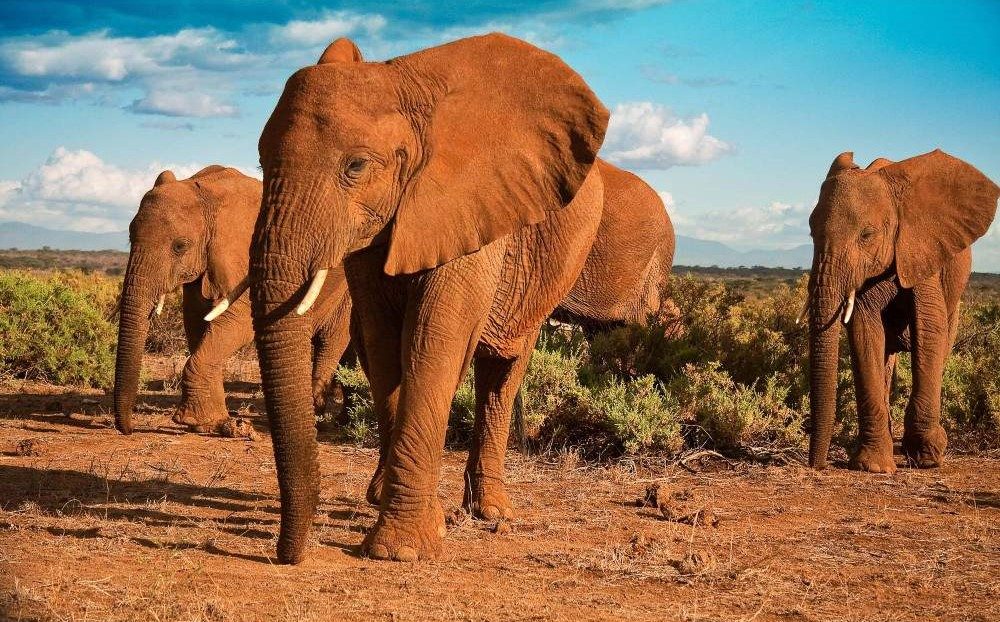
Kenya tends to be more forgiving year-round. Shorter distances, better roads, and more group safari options help solo travelers year-round. Tanzania’s seasons feel more dramatic—higher highs, lower lows—but reward patience and planning.
If timing is flexible, Kenya usually offers more wiggle room.
Conclusion
The best time for solo safari travel in Kenya or Tanzania isn’t about chasing perfection. It’s about matching the season to your budget, comfort level, and travel personality. Dry season brings ease and wildlife. Green season brings value and intimacy.
I’ve learned this the hard way: the “wrong” season planned well beats the “perfect” season planned poorly every time. Get the timing right for you, and the safari will take care of the rest.