
Introduction
I learned pretty early on that safari vehicles for seniors are not just about getting from point A to point B. One time, years back while planning a Kenya safari for a retired couple, I booked what I thought was a “standard” safari vehicle. On paper it looked fine. In reality, the step was too high, the seats were stiff, and by day two the husband’s knees were absolutely done. That trip taught me something the hard way: the vehicle can make or break a senior-friendly safari.
If you’re researching safari vehicles for seniors, especially with mobility concerns, you’re already asking the right questions. Comfort, safety, and accessibility matter way more than fancy extras. Over time, after dozens of safaris planned for older travelers, I’ve learned what works, what doesn’t, and where people often get tripped up.

Why Safari Vehicle Choice Matters for Seniors
Long game drives sound romantic until you’re six hours in, bouncing over rough tracks with a sore back. I’ve seen it happen. Seniors often feel fine the first morning, then the stiffness creeps in by afternoon, and suddenly the whole safari feels harder than it should.
The wrong safari vehicle can quietly drain energy. Bad suspension, cramped legroom, and awkward seating angles all add up, especially for travelers with arthritis, knee issues, or limited mobility. Good safari vehicles for seniors are designed to reduce fatigue, keep joints supported, and allow people to enjoy wildlife without constantly shifting in pain. It’s not luxury, it’s practicality.

Key Features of Senior-Friendly Safari Vehicles
I used to underestimate seat design, honestly. Then I sat in the back of a poorly padded safari van for a full Serengeti day and yeah, lesson learned. High-backed seats with real cushioning make a massive difference for seniors, especially on uneven roads.
Easy step-in access matters too. A lower step or a solid grab handle can turn an awkward climb into a smooth entry. Senior-friendly safari vehicles usually have wider doors, better spacing, and stable suspension so bumps are absorbed instead of transferred straight to your spine. Pop-up roofs are often easier than full open-sided designs because seniors don’t have to stand for long stretches.

Best Types of Safari Vehicles for Seniors
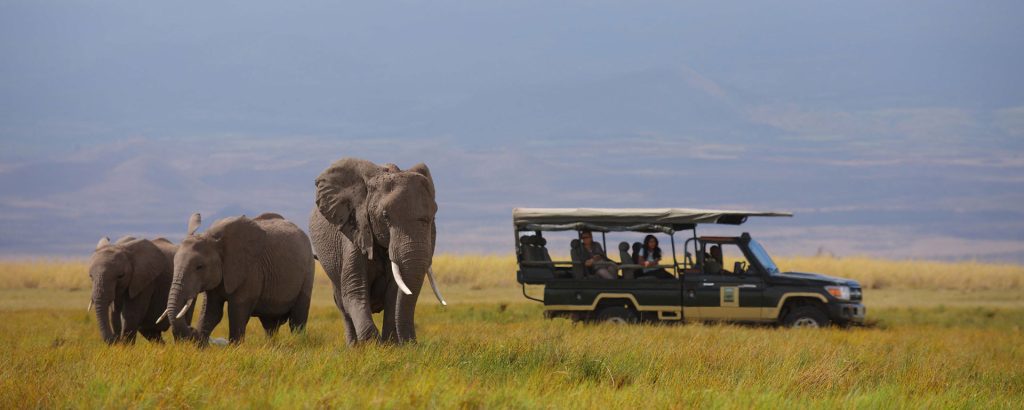
In my experience, the customized 4×4 Land Cruiser is still the gold standard for safari vehicles for seniors. When properly adapted, these vehicles offer supportive seating, excellent visibility, and smoother rides than most people expect. I’ve had seniors tell me they felt more stable in a Land Cruiser than in a regular tour van.
Safari vans with low step entry can work too, especially in Kenya where roads are better in some parks. For travelers with serious mobility concerns, private safari vehicles are a game changer. You control pacing, seating, and stop times. Fly-in safaris also reduce long road transfers, which can be a huge relief for older travelers.

Accessibility & Mobility Considerations
This is where small details really matter. I once forgot to confirm handrails on a vehicle, and yeah, that mistake stuck with me. For seniors, handrails and grab handles are not optional extras, they’re essentials.
Seat height plays a big role as well. If a seat is too low, standing up becomes a chore. If it’s too high, climbing in feels risky. The best safari vehicles for seniors strike a balance and offer space for walking aids or small mobility devices. Smooth driving also matters more than people realize. A skilled driver reduces vibration, fatigue, and stress without anyone noticing why it feels better.

Private vs Group Safari Vehicles for Seniors
Group safaris can work, but they’re not always ideal for seniors. I’ve seen older travelers struggle to keep up with fixed schedules and long drives designed for younger crowds. Private safari vehicles give seniors breathing room, literally and figuratively.
With a private vehicle, seating can be adjusted, breaks can happen when needed, and game drives can be shorter without guilt. For seniors with mobility issues, flexibility isn’t a luxury, it’s what keeps the safari enjoyable instead of exhausting.

Safari Vehicle Safety for Older Travelers
Safety is often assumed, but it shouldn’t be. Good safari vehicles for seniors always have working seat belts, reliable radios, and GPS systems. I’ve worked with guides who carried full first-aid kits and emergency plans, and honestly, that peace of mind matters.
Experienced drivers know when to slow down, how to approach wildlife safely, and how to navigate rough terrain without unnecessary jolts. For older travelers, steady driving reduces strain and lowers the risk of minor injuries that can ruin a trip.

Top Destinations Offering Senior-Friendly Safari Vehicles
Kenya is excellent for seniors because many operators offer well-maintained safari vans and Land Cruisers with easier access. The Masai Mara, in particular, has lodges that work closely with senior travelers. Tanzania’s Serengeti and Ngorongoro require sturdier 4×4 vehicles, but when done right, they’re surprisingly comfortable.
South Africa’s Kruger National Park is another standout. Roads are better, vehicles are highly regulated, and senior-friendly safari vehicles are common. Destination choice matters, but vehicle quality matters more.

Questions Seniors Should Ask Before Booking a Safari Vehicle
I always encourage seniors to ask detailed questions, even if it feels awkward. How high is the step. How padded are the seats. How long are daily game drives. These questions save frustration later.
One simple question “Can I see photos of the vehicle interior?” has prevented more problems than anything else I’ve learned. Transparency matters.

Conclusion
After years of planning trips, one thing is clear: safari vehicles for seniors deserve serious attention. The right vehicle reduces pain, boosts enjoyment, and lets older travelers focus on wildlife instead of their knees or backs.
If you’re planning a safari with mobility concerns, prioritize comfort, accessibility, and safety over everything else. Ask questions, choose private options when possible, and work with operators who understand senior travel. When the vehicle is right, the safari becomes what it should be—unforgettable, not exhausting