
Introduction
I still remember the first time an older couple asked me, very plainly, “Are fly-in safaris for seniors really worth it, or is that just marketing talk?” Fair question. After years of planning senior safari travel across Kenya and Tanzania, I’ve learned that how you move between parks can make or break the whole experience, sometimes more than the wildlife itself.
Understanding Fly-In Safaris for Seniors
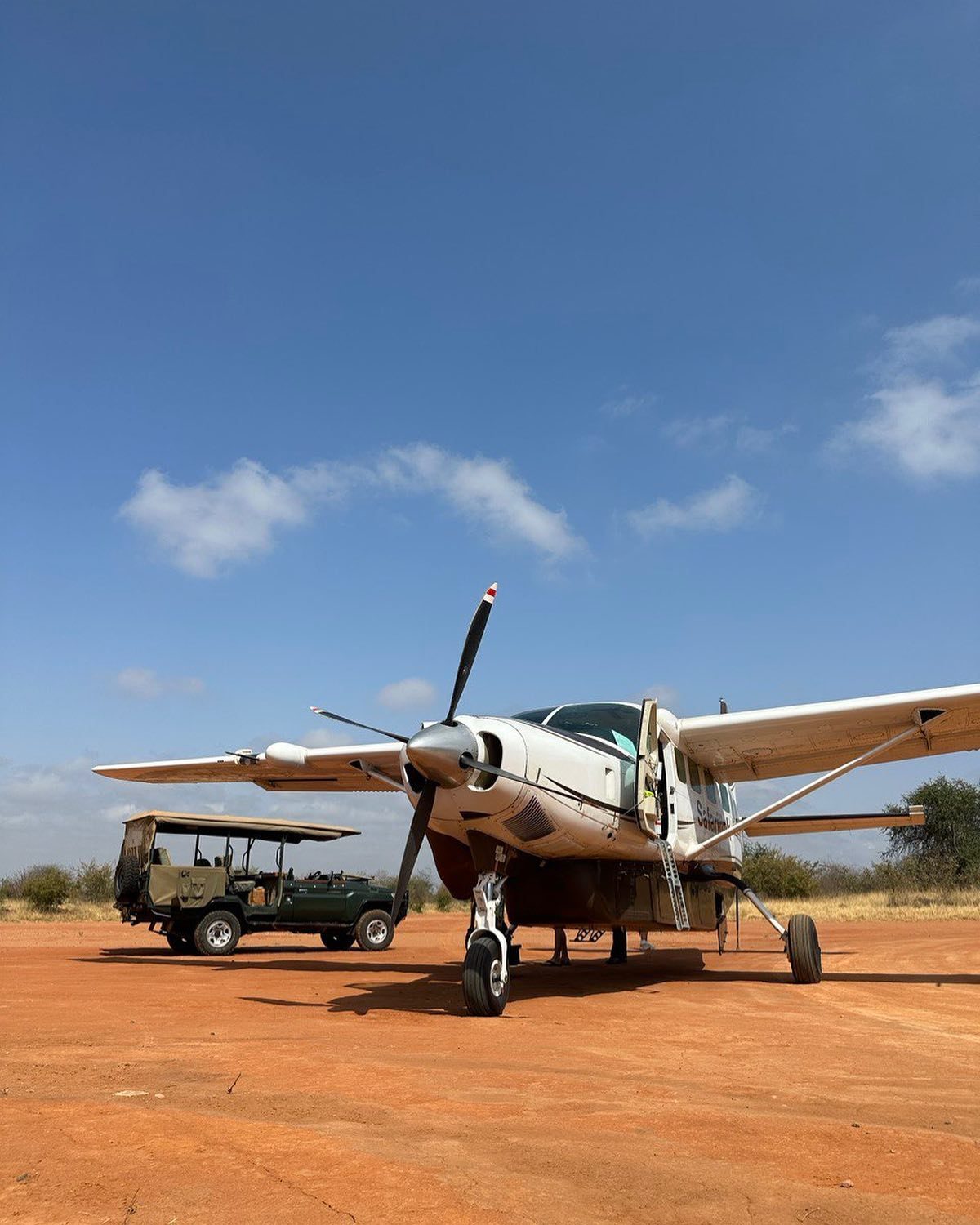
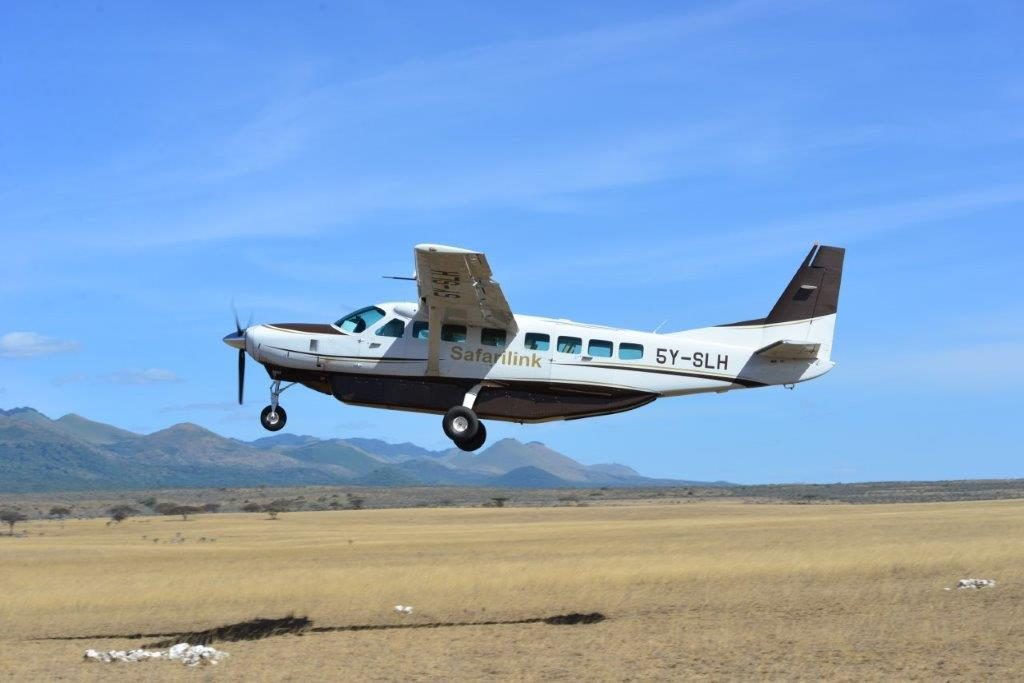
Fly-in safaris for seniors involve small aircraft hopping between national parks and conservancies, landing on bush airstrips close to the lodges. The first time I arranged one, I was nervous it might feel stressful or rushed, but it turned out the opposite. Seniors stepped off the plane less tired, less stiff, and honestly in better spirits than those who had bounced along rough roads for hours.
What Road Safaris Look Like for Older Travelers
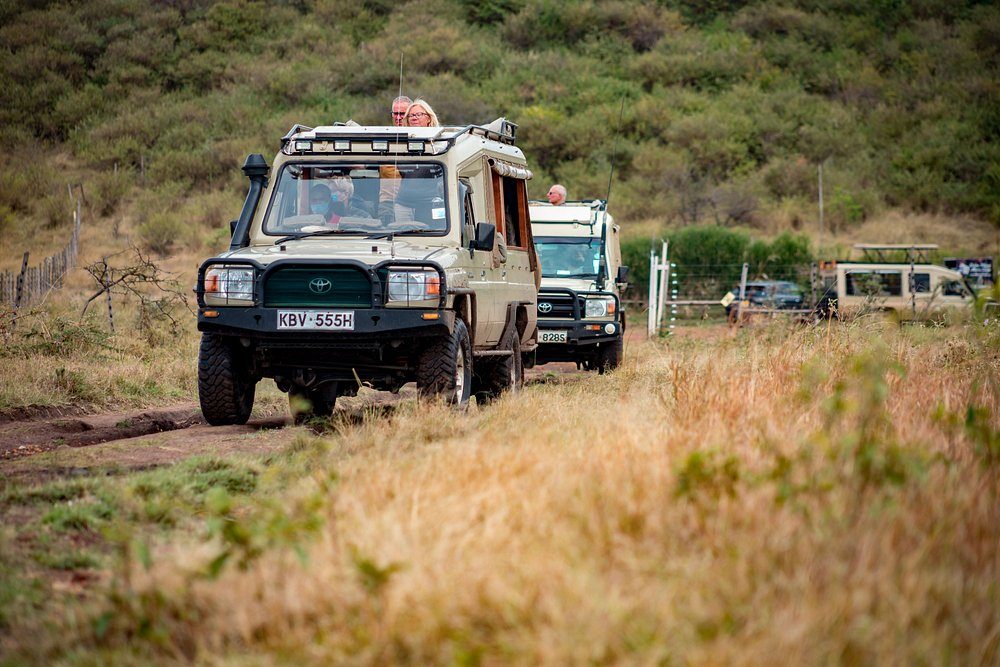
Road safaris are the traditional route, and there’s something romantic about driving through changing landscapes. But I’ve also seen seniors struggle after six or seven hours on corrugated roads, especially in parts of the Serengeti or northern Kenya. Even with great safari vehicles, the constant vibration can quietly add to the physical demands of a safari for seniors.
Physical Demands: Fly-In vs Road Safaris
When people ask about safari physical demands for seniors, I always talk about cumulative fatigue. Fly-in safaris reduce that fatigue because a 45-minute flight replaces a full day of driving, and that matters more than people expect. Road safaris demand endurance, not just strength, and that’s where some seniors get worn down faster than they planned.

Comfort and Accessibility on Safari
Comfort is a big reason fly-in safaris for seniors are recommended so often. You spend more time on actual game drives and less time transferring, which keeps energy levels steady. Many fly-in safari lodges are also designed with older travelers in mind, offering fewer stairs, level walkways, and staff who quietly help without making it awkward.
Cost vs Value for Senior Travelers
I won’t sugarcoat it, fly-in safaris cost more than road safaris. I used to hesitate recommending them until I noticed fewer complaints, fewer aches, and better sleep among senior guests who flew. For many, the extra cost translated into better value because they actually enjoyed every day instead of recovering from the previous one.

Safety Considerations for Seniors
Safety always comes up, and rightly so. Fly-in safari operators follow strict aviation rules, and pilots fly these routes daily, often in better conditions than long-distance road travel. Road safaris carry their own risks, especially with long distances and wildlife crossings, so for seniors, flying can actually reduce overall exposure.

When Fly-In Safaris Make the Most Sense
Fly-in safaris for seniors are ideal when time is limited or when mobility is a concern. I’ve planned trips where seniors wanted to see the Maasai Mara and the Serengeti without exhausting border drives, and flying made that possible. It keeps the pace relaxed, which is what most older travelers really want, even if they don’t say it out loud.

When a Road Safari Still Works Well
That said, road safaris can still be a good fit for seniors who enjoy slow travel and shorter distances. If the itinerary sticks to one region and allows plenty of rest, it can be very rewarding. The mistake I made early on was packing too much in, and seniors paid for it with fatigue.
Conclusion
So, are fly-in safaris for seniors better than road safaris? Often, yes, especially for comfort, energy, and overall enjoyment. Road safaris still have their place, but choosing the right style based on physical comfort and pace can turn a good safari into an unforgettable one, and that’s always the goal.