

Introduction
“Can I really do a safari alone?” That question has been asked so many times across my desk that I almost expect it now. When people think of Africa, they picture vast open spaces, wild animals, and zero safety nets, which sounds thrilling but also kind of terrifying. The truth is, most first-time travelers who ask about a guided solo safari Africa experience aren’t scared of animals, they’re scared of getting it wrong.
I’ve planned dozens of solo safari trips in Kenya and Tanzania, and here’s the quiet stat nobody talks about much: well over half of first-time solo safari travelers choose guided safaris, even if they originally wanted to “go it alone.” And after seeing how things actually work on the ground, it usually makes sense.
What Is a Guided Solo Safari in Africa?
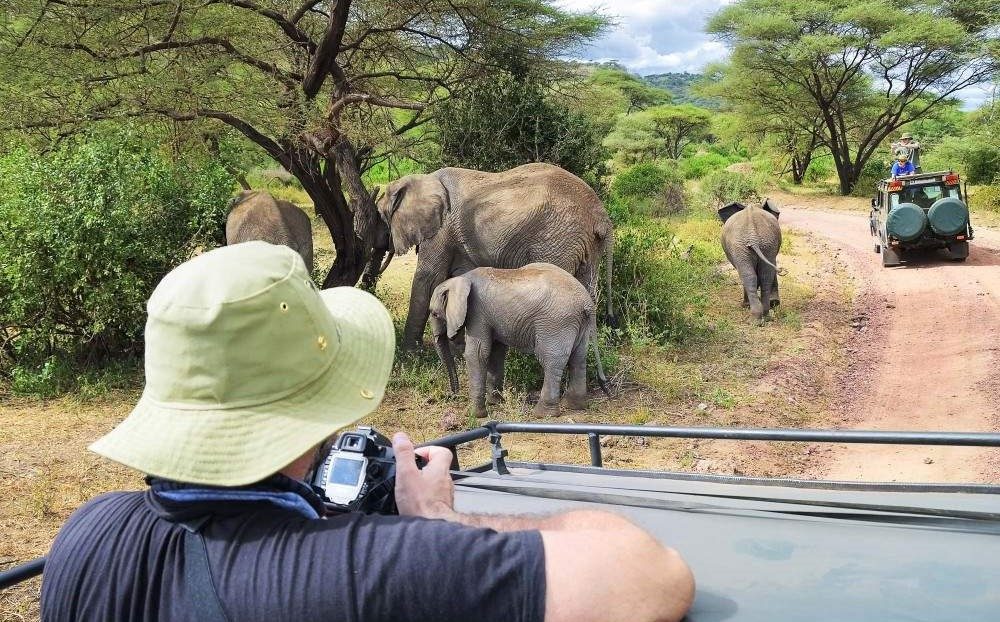
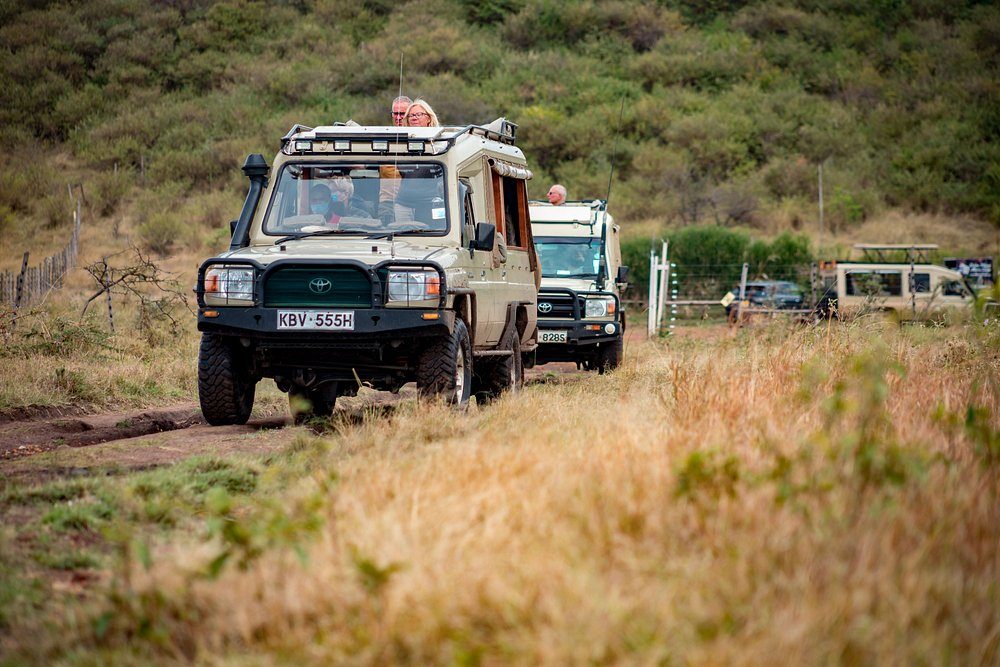
A guided solo safari simply means you’re traveling on your own, but your safari experience is led by a professional guide. That guide handles driving, wildlife tracking, park rules, timing, and logistics, while you focus on the experience. Sometimes it’s a private guided safari, other times it’s a group-joining safari where you’re solo but sharing the vehicle.
I once had a traveler insist that a guide would “ruin the adventure.” Three days into the Serengeti, after watching a guide predict a lion crossing ten minutes before it happened, that opinion quietly disappeared. A safari guide isn’t a chaperone, they’re the reason the safari actually works.

Can You Do a Self-Drive or Unguided Safari as a Solo Traveler?
Technically, in parts of Kenya, self-drive safaris are allowed. But allowed and smart aren’t always the same thing. I’ve seen solo travelers underestimate road conditions, overestimate Google Maps, and end up stressed before lunch.
Tanzania is even stricter. Many parks practically require guided vehicles, and self-driving through places like the Serengeti isn’t realistic for most visitors. When people ask if they can skip a guide on a solo safari Africa trip, my answer is usually, “You can, but you probably shouldn’t.”

Safety Considerations for Solo Safari Travelers
This is where guided safaris really shine. Wildlife behavior, radio communication between guides, emergency response, and medical access are all built into guided systems. I’ve watched guides reroute an entire day because elephants were stressed or roads were flooded.
For solo travelers, especially solo female travelers, safety feels different when someone experienced is handling decisions. Africa safari safety solo concerns drop dramatically when a guide is present, and that peace of mind is worth a lot more than people expect.
Guided vs Unguided Safari: What’s the Real Difference?
The biggest difference isn’t safety, it’s quality. Guided safaris deliver better sightings, better timing, and better understanding of what you’re seeing. A leopard in a tree is cool, but knowing why it’s there changes everything.
Unguided safaris rely on luck. Guided safaris rely on experience. I’ve seen solo travelers come back from guided trips with stories that sound unreal, and it wasn’t luck, it was skill.
Costs: Is a Guided Solo Safari More Expensive?
At first glance, yes. A guided solo safari Africa trip often includes a single supplement, which hurts a bit. But once you factor in vehicle rental, park fees, fuel, navigation mistakes, and missed sightings, guided safaris often deliver better value.
Group joining safaris help reduce costs too. I’ve recommended them countless times, especially for budget-conscious solo travelers who still want quality.
Kenya vs Tanzania: Do You Need a Guide in Both?
Kenya is more flexible. Roads are shorter, infrastructure is stronger, and group safaris are easier to join. Tanzania is bigger, wilder, and more regulated, which makes guides almost essential.
For first-time solo travelers, Kenya usually feels easier. Tanzania feels more epic, but demands better planning. Both reward guided travel in different ways.
Who Should Choose a Guided Solo Safari in Africa?
First-timers, photographers, solo female travelers, and anyone short on time benefit most. If you want depth without stress, a guided safari delivers that balance.
I’ve watched even experienced travelers admit, quietly, that guided safaris gave them more than they expected.
Common Myths About Guided Solo Safaris
People think guides control everything. They don’t. Good guides adapt to you. Another myth is that guided safaris feel crowded or scripted, which honestly hasn’t matched reality in years.
Most guides love curious solo travelers because conversations go deeper. It becomes more personal.
How to Choose the Right Guided Safari for Solo Travel
Look for licensed guides, smaller vehicle sizes, and clear communication. Avoid itineraries that rush too much. Ask how flexible the schedule is, that question matters more than price sometimes.
I’ve made mistakes choosing operators early in my career, and learned fast that cheap doesn’t mean good.
Conclusion
So, do you need a guide for a solo safari in Kenya or Tanzania? For most people, yes. A guided solo safari Africa experience doesn’t take away freedom, it protects it. You’re free from logistics, stress, and second-guessing.
If you want your solo safari to feel confident, safe, and deeply rewarding, a guide isn’t an extra. It’s the foundation. And once you’re out there, watching the sun rise over the savannah with someone who knows exactly where to be, you’ll understand why.