
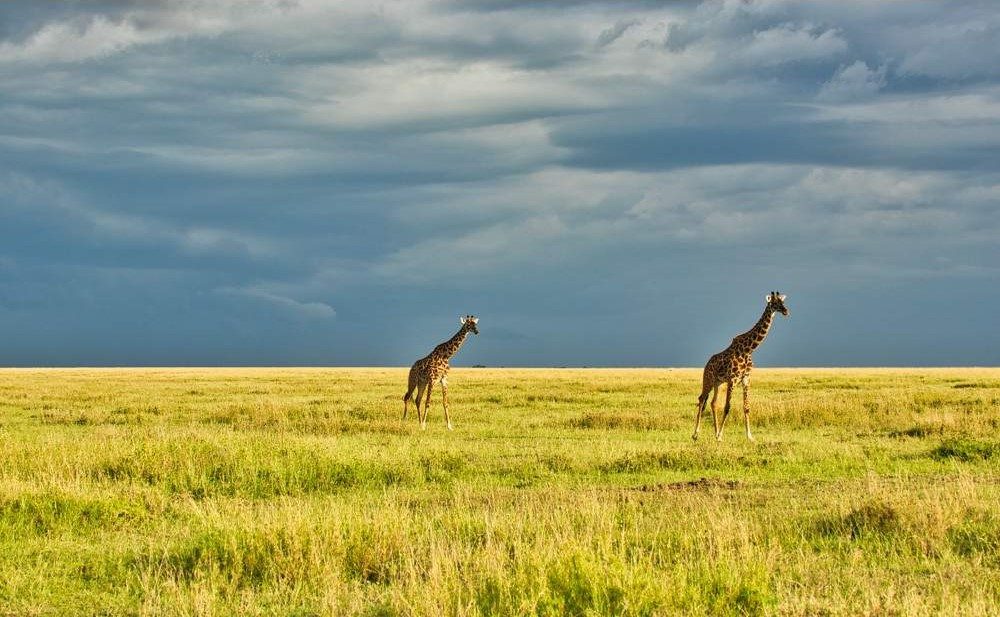
Introduction
“Most safari disasters don’t happen in the bush—they happen during planning.” I’ve said that line to more solo travelers than I can count, usually after they’ve already made one or two classic solo safari mistakes. Planning African safaris for solo travelers taught me fast that excitement can override logic, and yeah, I’ve been guilty of that too.
Solo travel in Africa is magical, no doubt, but it’s also less forgiving when things go wrong. A missed detail, a rushed decision, or bad advice can cost real money, time, and peace of mind, and when you’re alone, that stress hits harder. This guide exists because I’ve watched the same solo safari mistakes repeat again and again, and honestly, most of them are avoidable with the right mindset and planning.
Choosing the Wrong Safari Destination for Solo Travel
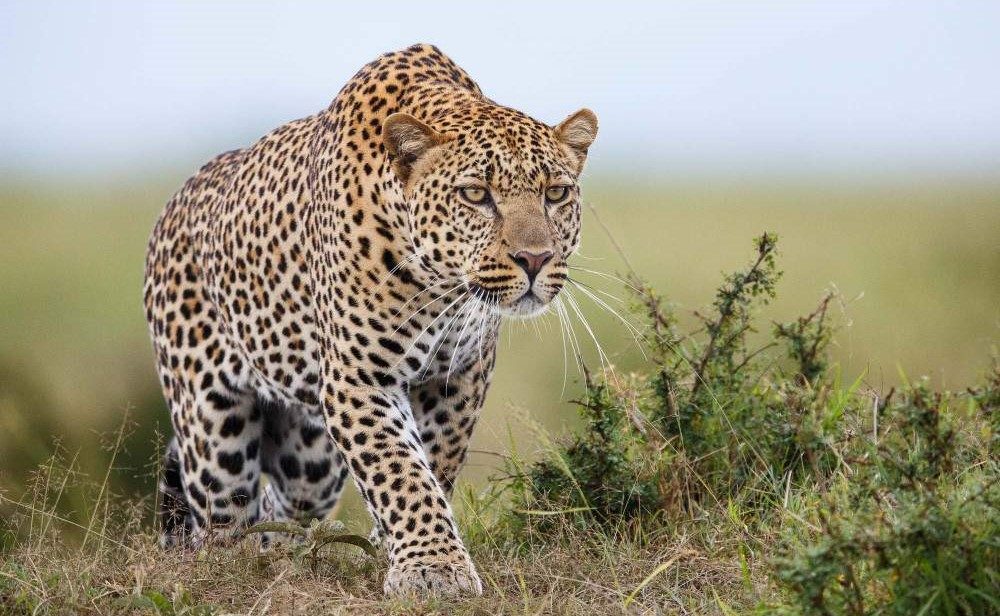
One of the biggest solo safari mistakes I see is travelers picking destinations that look great on Instagram but are brutal for solo travel. I once helped someone insist on a remote park with limited infrastructure, and halfway through planning, the costs and logistics exploded. That park was perfect for groups, but for solo travel, it was isolating, expensive, and risky.
Kenya and Tanzania work so well for solo safari travel because they have strong tourism infrastructure, shared game drives, and experienced guides who know how to manage solo guests. Choosing places without those basics often leads to safety concerns, long transfer days, and that lonely feeling nobody wants on safari. Solo safari planning errors almost always start with destination choice.

Underestimating the True Cost of a Solo Safari
This one hurts people the most. Solo safari costs are higher, period, and pretending otherwise is one of the most common safari travel mistakes. I’ve had travelers shocked when they learned about single supplement fees that can increase lodge prices by 30–50%.
Park fees, internal flights, private transfers, and guide exclusivity add up fast, especially in Tanzania. Budget mistakes usually come from comparing solo travel to group pricing online, which is never apples to apples. Once realistic numbers are explained, relief usually sets in, because at least now the plan makes sense.

Skipping a Guided Safari When Traveling Alone
I get it, self-drive sounds adventurous. But skipping a guided safari as a solo traveler is one of those African safari mistakes that looks bold until reality hits. I’ve had travelers call me frustrated after getting lost in conservancies or missing wildlife entirely.
Guided solo safaris aren’t about control, they’re about safety and depth. A good guide reads animal behavior, knows radio call-ins, and handles emergencies calmly. For first-time safari mistakes, going unguided ranks near the top, especially in unfamiliar parks.

Overpacking or Packing the Wrong Items
Packing mistakes sneak up on solo travelers because nobody checks your bag but you. I’ve seen people bring hard suitcases that couldn’t fit on safari planes, or forget basics like neutral clothing and proper footwear. Those mistakes turn into stress at airstrips real fast.
Soft bags, layers, and weight limits matter more than people think. Overpacking slows you down and underpacking leaves you uncomfortable. Solo safari packing mistakes usually come from treating Africa like a city trip, which it isn’t.
Ignoring Seasonal Differences and Weather Patterns
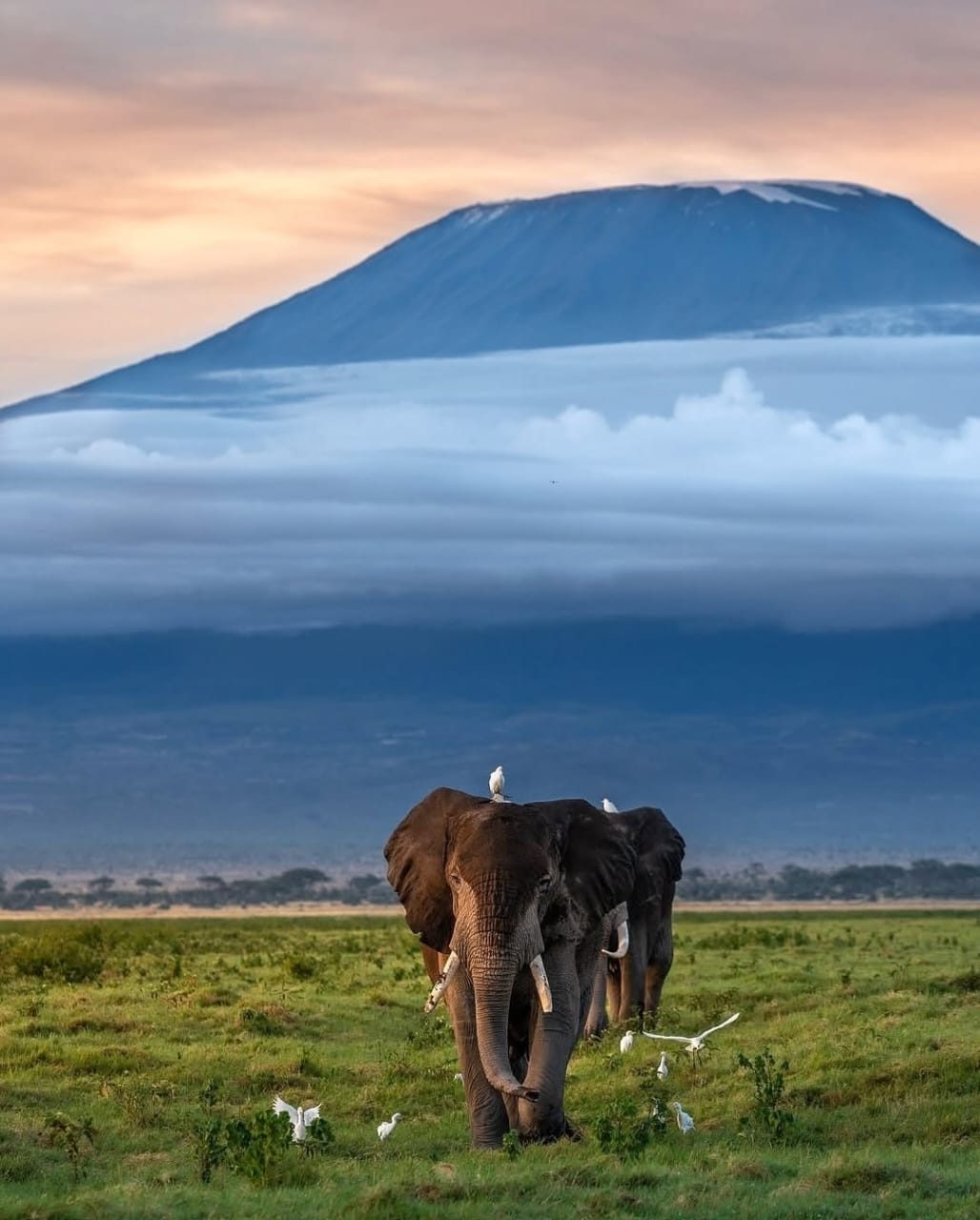
Weather is one of those things people assume they’ll “deal with later,” and that’s risky. I’ve watched travelers book peak rainy months expecting classic wildlife scenes, only to be disappointed by thick grass and scattered sightings.
Dry season offers easier game viewing, but shoulder seasons can be amazing for solo travelers if expectations are set right. Understanding migration patterns and rainfall avoids frustration and helps solo safari itineraries feel intentional, not random.
Not Researching Safari Lodges Properly
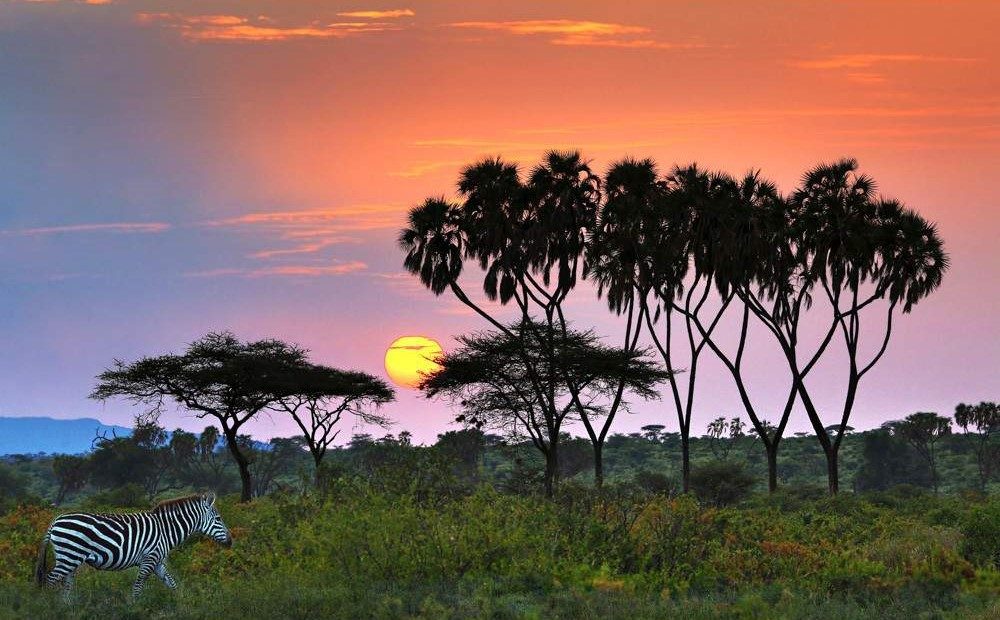
Some lodges feel magical for couples and awkward for solo travelers, and that matters. I’ve had guests stuck in ultra-quiet camps where meals were silent and evenings dragged on. Not every lodge suits solo safari travel.
Properties with communal dining, shared vehicles, and flexible activities create better solo experiences. Accommodation mistakes don’t ruin safaris, but they do affect how connected you feel each day.

Poor Itinerary Pacing and Too Much Travel
Trying to see everything is a classic solo safari planning mistake. Long drives, early flights, and nonstop park hopping wears people down fast. I’ve watched excitement turn into exhaustion by day five.
Fewer parks with longer stays almost always leads to better wildlife encounters and stronger memories. Safari time shouldn’t feel like a checklist.
Overlooking Safety and Health Preparation
Health prep mistakes are quiet until they’re not. I’ve seen travelers skip malaria prevention or underestimate travel insurance, and the consequences are expensive. Solo travelers don’t have backup, so preparation matters more.
Vaccinations, insurance, emergency contacts, and local knowledge keep trips smooth. These details aren’t exciting, but they’re essential.

Conclusion
Solo safari mistakes don’t mean solo safari travel is risky or complicated, it just means planning matters more. Most safari planning mistakes come from rushing decisions or trusting generic advice instead of real experience. With the right destination, budget awareness, guided support, and realistic pacing, solo travel in Africa becomes empowering, not stressful.
If you plan smart, Africa rewards you big time. And honestly, few experiences compare to watching wildlife unfold while knowing you planned it right.