

Introduction
I still remember the first time I helped a retired couple pack for their very first African safari, and wow, it was an eye-opener. They showed up at my office with a suitcase that could’ve survived a space launch, and inside was everything except the things they actually needed. That moment stuck with me, and honestly, it’s why I care so much about getting a safari packing list for seniors right. Packing smart isn’t about bringing more stuff, it’s about bringing the right stuff so the safari feels magical, not exhausting.
Over the years, planning safaris in Kenya and Tanzania, I’ve seen how the right preparation changes everything. Seniors who pack well enjoy game drives longer, complain less about sore feet or sunburn, and just seem happier overall. This guide comes straight from those lessons learned, sometimes the hard way, and it’s meant to make your African safari comfortable, safe, and stress-free.
Essential Clothing for Senior Safari Travelers
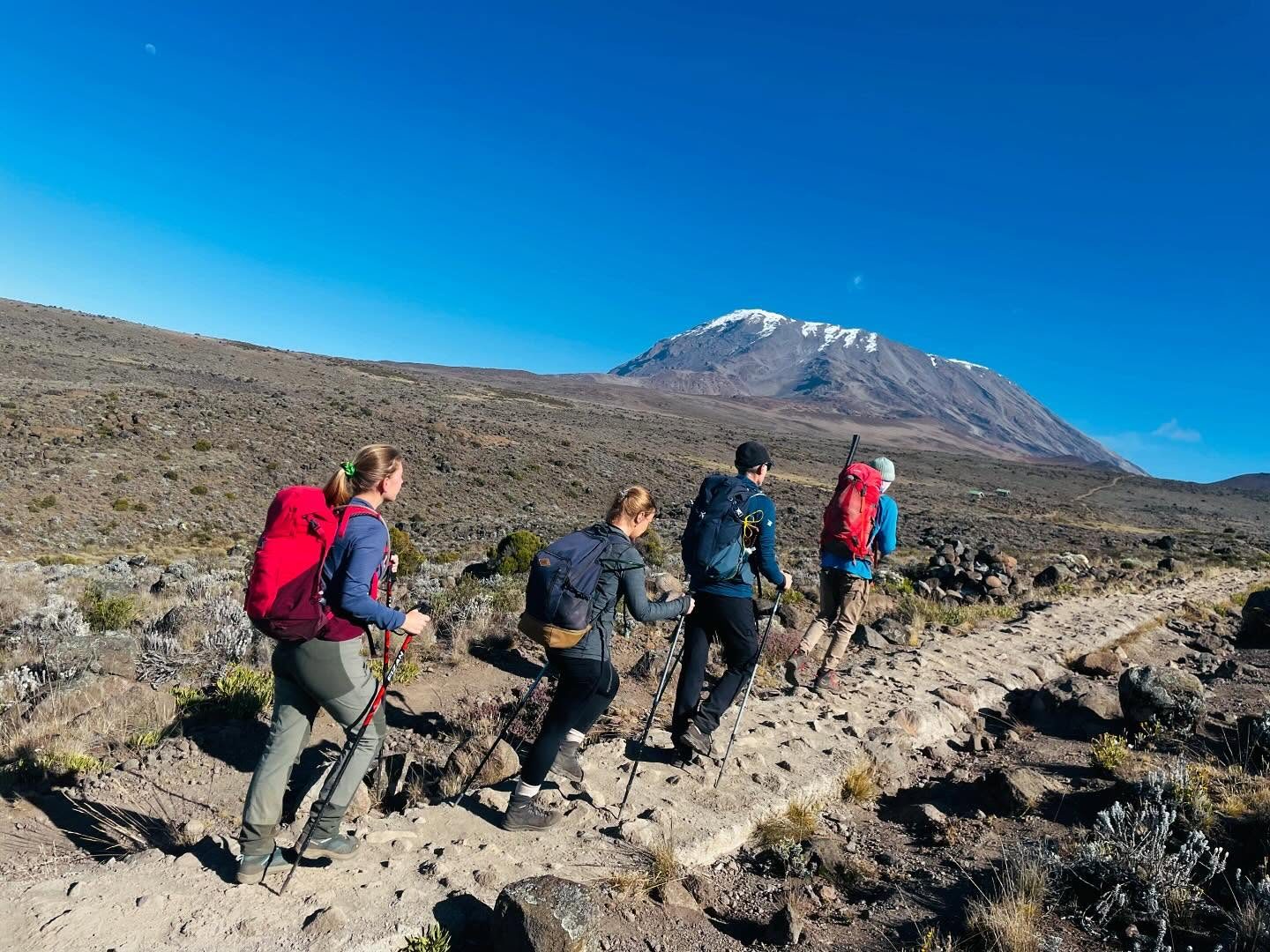
When it comes to safari clothing for seniors, comfort always wins, no debate there. I once had a guest insist on heavy denim jeans because “that’s what I travel in,” and by day two, they were miserable from the heat and stiffness. Lightweight safari clothing, especially breathable cotton or moisture-wicking fabrics, makes a huge difference during long game drives.
Neutral colors like khaki, beige, and olive aren’t just for looks, they help with wildlife viewing and keep you cooler. Long-sleeve shirts and trousers protect against sun and insects, and they’re way better than constantly slapping at mosquitoes. Layers matter too, because early morning game drives can be chilly, then suddenly it’s hot by mid-morning.
Comfort-Focused Footwear and Mobility Support
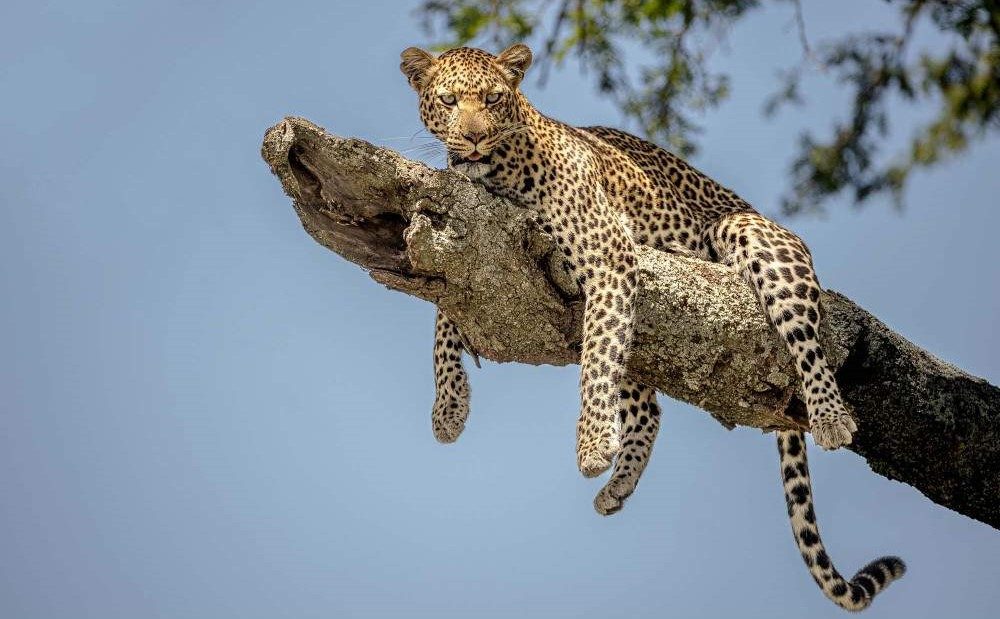
If there’s one mistake I’ve seen too often, it’s seniors bringing brand-new shoes on safari. Comfortable safari shoes for seniors should already be broken in, supportive, and easy to slip on and off. I learned this after watching a guest struggle through a lodge corridor with blisters that could’ve been avoided.
Supportive walking shoes with good grip help on uneven lodge paths, and cushioned socks reduce swelling during long drives. Some travelers quietly pack a collapsible cane or walking stick, and honestly, it’s smart. Safari is about enjoying the moment, not proving anything to anyone.
Health, Medications, and Medical Essentials
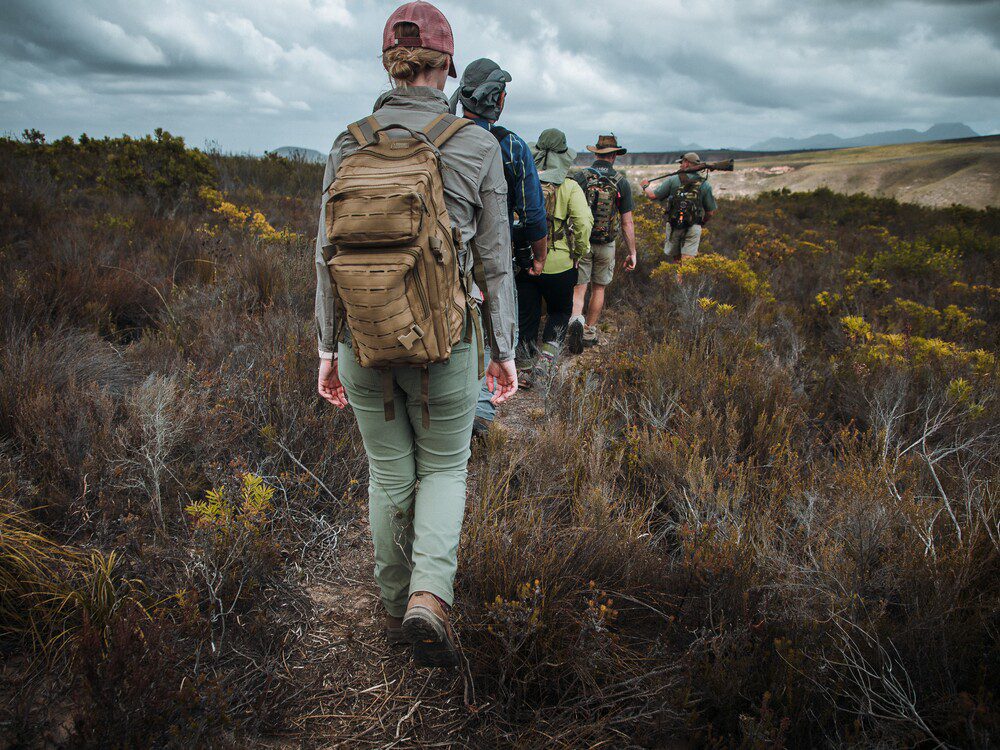
Senior travel health on safari is something I never take lightly, and I’ve learned to double-check everything. Prescription medications should always be packed in original containers, with extra doses just in case flights are delayed. I once helped track down blood pressure meds in a remote town, and trust me, it’s not fun.
A small first-aid kit with pain relief, motion sickness tablets, and basic supplies goes a long way. Hand sanitizer and wet wipes sound minor, but they get used constantly. Having copies of prescriptions and a short medical summary has saved trips more than once.

Sun Protection and Weather Essentials
African sun doesn’t mess around, and safari sun protection for seniors is non-negotiable. A wide-brimmed hat, high-SPF sunscreen, and UV-protective sunglasses should be used daily, even on cloudy days. I’ve seen sunburn ruin an entire safari mood, and it’s heartbreaking.
Lightweight rain jackets are worth packing, especially in shoulder seasons. Lip balm with SPF and a good moisturizer help with dry air, which sneaks up on people fast. These little things add up to big comfort.

Safari Gear That Makes Life Easier for Seniors
Senior safari travel gear should make things easier, not heavier. Lightweight binoculars with easy focus are a game-changer for wildlife viewing, especially for aging eyes. A padded daypack helps keep essentials close without straining shoulders.
Refillable water bottles are crucial, dehydration is sneaky on safari. Cameras with image stabilization help capture moments without shaky hands, and power banks keep devices alive during long days. Simple gear, big payoff.
Conclusion
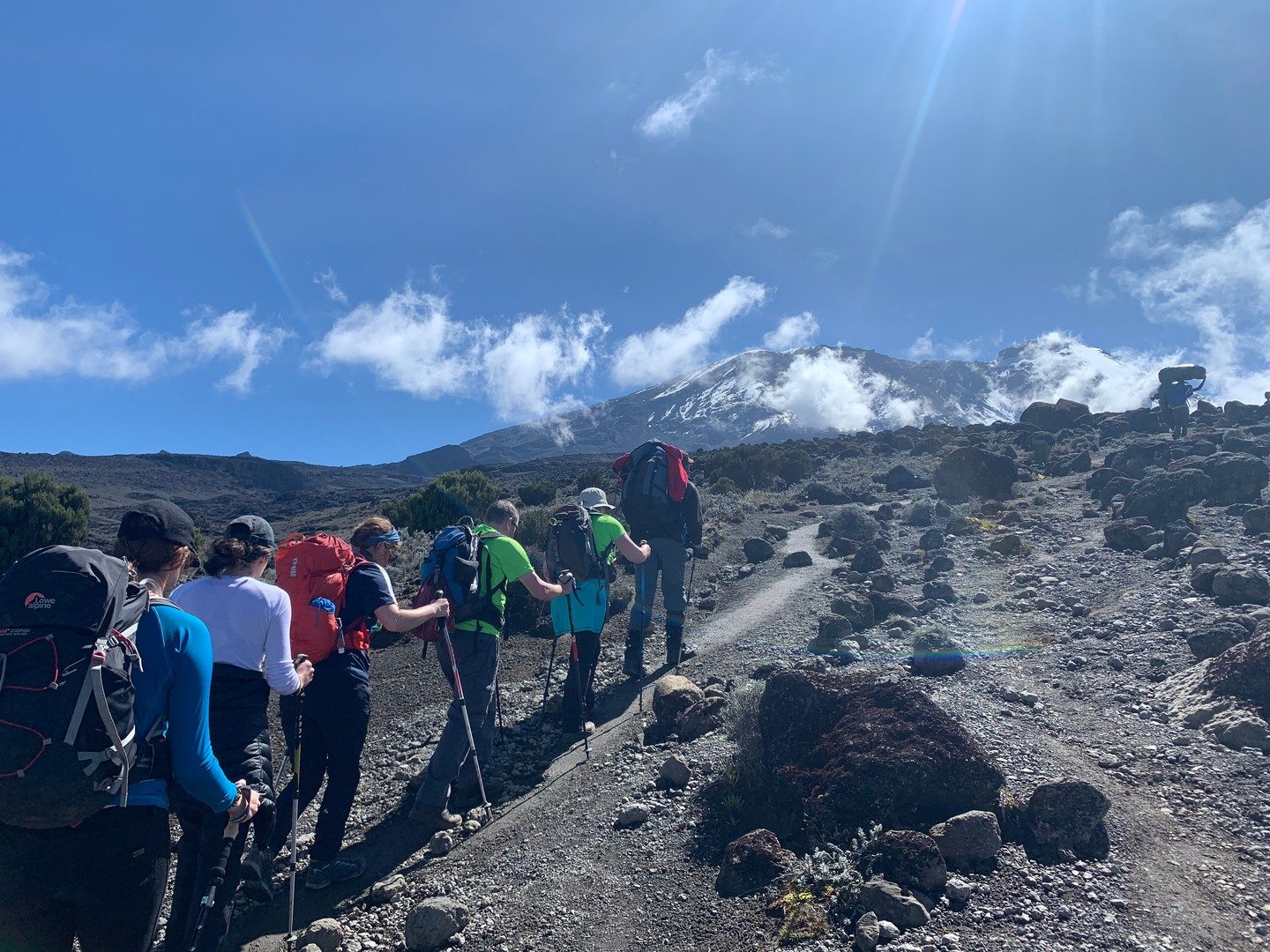
Putting together the right safari packing list for seniors isn’t about overthinking, it’s about being practical and kind to your body. I’ve seen firsthand how smart packing leads to happier mornings, longer game drives, and way more smiles by the campfire at night. When comfort and health are taken care of, the safari becomes what it should be, an unforgettable adventure at your own pace.
If you’re planning an African safari, take the time to pack with intention. Trust me, your future self, sitting in a safari vehicle watching elephants at sunset, will be very grateful you did.