

Introduction
The first solo safari packing list I ever put together looked great on paper and failed me in the field. I remember standing in the Masai Mara at 6:10 a.m., freezing, realizing I’d packed three fancy shirts and no proper warm layer, which was rookie stuff honestly. Packing for a solo safari in Kenya or Tanzania sounds simple until you realize you’re on your own out there, no borrowing, no backups, no “oh I’ll just grab one from my friend.”
Over the years, planning solo safari itineraries taught me that packing is less about style and more about function. A good solo safari packing list keeps you comfortable on long game drives, helps you move easily between camps, and honestly, keeps small frustrations from turning into big ones.
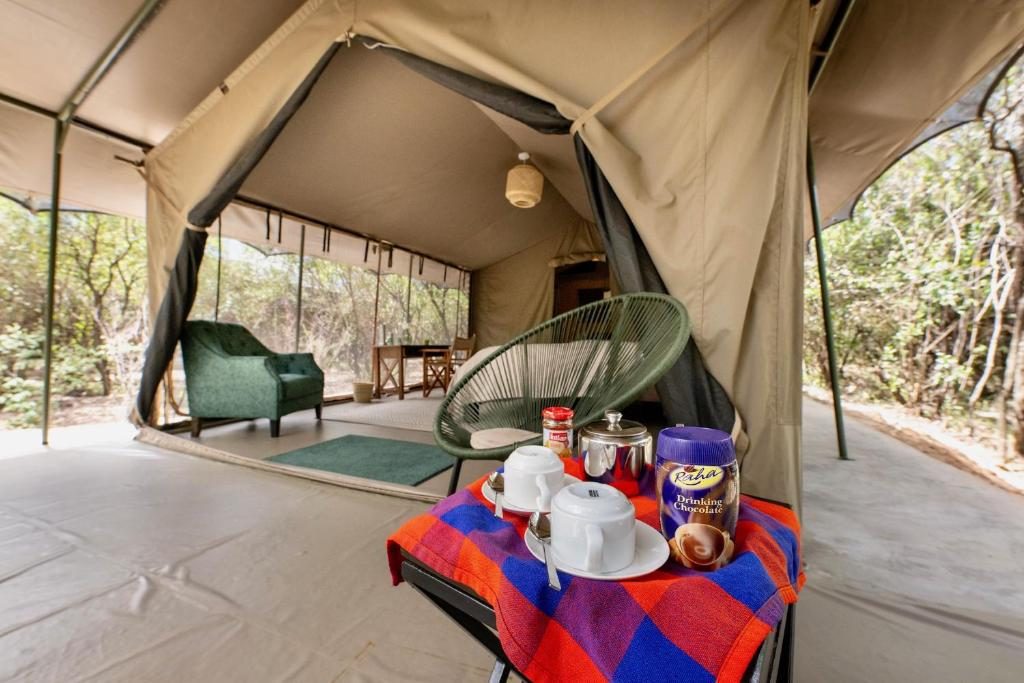
Essential Documents for a Solo Safari
I’ve seen solo travelers arrive excited and then deflated fast because a visa wasn’t sorted or a yellow fever certificate was buried somewhere they couldn’t find. For a solo safari in Kenya or Tanzania, your passport needs at least six months validity, and visas are best done online before arrival to avoid airport stress. I always tell travelers to carry printed copies of everything, even though it feels old school, because phones die and Wi-Fi is unreliable.
Travel insurance documents matter more when you’re traveling solo, and they were checked more than once on longer safari routes. I learned the hard way that having emergency contacts written down, not just stored digitally, saves time when things get chaotic.

What Clothes to Pack for a Solo Safari
Clothing mistakes are the most common solo safari packing list problem I see. Neutral colors like khaki, olive, and beige work best, not because animals care, but because heat and dust do. Lightweight long sleeves protect against sun and insects, and yes, they look hot but actually feel cooler during game drives.
Mornings in the Serengeti or Mara can drop to around 10°C, so a fleece or insulated jacket is non-negotiable. I once skipped that to save space and regretted it daily until noon.
Footwear and Accessories You Shouldn’t Skip
Shoes don’t need to be hardcore hiking boots unless you’re doing serious walking safaris. Comfortable trainers with good grip work for most solo safaris, and sandals are lifesavers around camp after long drives. I packed the wrong shoes once, blisters happened, and it was annoying in a way that lingers.
A wide-brim hat and sunglasses aren’t optional either, and neither is a light scarf. That scarf saved me from dust more times than I can count.
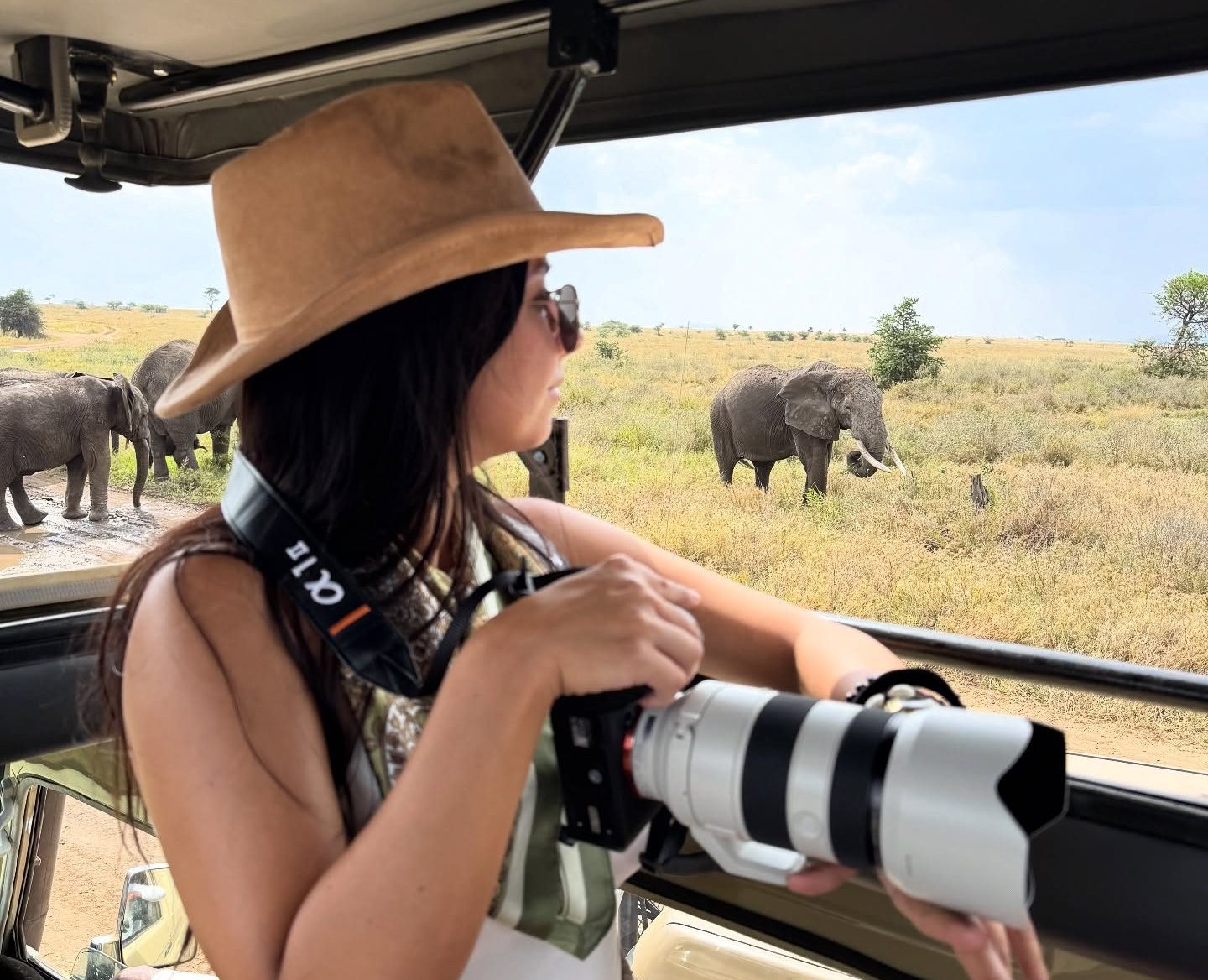
Safari Gear That Makes a Big Difference
Binoculars are one of those things people debate packing, but on a solo safari, having your own matters. I recommend 8×42 binoculars because they balance clarity and weight well. Power banks are essential too since many safari camps limit charging hours.
A headlamp is something I forgot once and never again. Walking back to your tent at night without one feels dramatic in the wrong way.
Toiletries and Personal Care Items
Safari lodges provide basics, but solo travelers should pack smart backups. Sunscreen and insect repellent in travel sizes are gold, especially since buying them locally can be limited or expensive. I also always suggest packing wet wipes because dust is constant and showers aren’t always immediate.
Prescription meds should be packed in carry-on bags, not checked luggage, because bags sometimes arrive late. That lesson was learned the stressful way.

Health and Safety Essentials for Solo Travelers
A simple first aid kit goes a long way, and rehydration salts are something I push hard after watching travelers struggle with dehydration. Malaria prevention is still relevant in many safari regions, and it’s best discussed with a doctor before arrival. Traveling solo means listening to your body more closely, since nobody else is watching out for you.

Tech and Travel Essentials for Solo Safari Travel
Local SIM cards in Kenya and Tanzania are affordable and reliable in towns, though signal drops in parks. Offline maps, downloaded itineraries, and saved lodge contacts reduce stress fast. I also recommend carrying small denominations of cash for tipping and small purchases.

What NOT to Pack for a Solo Safari
Overpacking is the enemy of a smooth solo safari itinerary. I’ve watched travelers drag massive hard-shell suitcases across dirt airstrips, and it’s painful to see. Skip heavy books, unnecessary outfits, and anything you “might” use.
If it hasn’t earned its place on your solo safari packing list, leave it.
Conclusion
A solid solo safari packing list isn’t about perfection, it’s about comfort, confidence, and fewer regrets. Packing smart allows you to focus on the experience, the wildlife, and those quiet moments that make solo safari travel special. If you plan ahead and pack with intention, Kenya and Tanzania reward you in ways few places do.
And trust me, future-you on a chilly sunrise game drive will be grateful you got it right.