
Introduction
Planning the best senior-friendly safaris has honestly been one of the most meaningful parts of my work while organizing Kenya safaris and Tanzania safaris for older travelers. I used to think a luxury safari package was enough, but I quickly learned that senior travel in Africa requires more thought—especially when mobility, comfort, and medical access are involved. According to global travel data, adults over 60 are one of the fastest-growing segments booking African safari tours, and many are looking specifically for safe, well-paced safari holidays in destinations like the Masai Mara and Serengeti.
I remember one couple in their early 70s who told me, “We’ve waited our whole lives for this wildlife safari.” That stuck with me. It made me realize that planning the best senior-friendly safaris isn’t about checking off the Big Five; it’s about creating a smooth safari itinerary with minimal stress, shorter travel days, and comfortable safari lodges that truly support older guests.
In this guide, I’m sharing what I’ve learned—sometimes the hard way—about choosing senior-friendly safari tours in Kenya and Tanzania. I’ve seen what works and what doesn’t, and I want you to get it right the first time.
What Makes a Safari Senior-Friendly?
When I first started booking African safari packages for seniors, I assumed that “luxury” automatically meant “easy.” That was a mistake. One safari lodge in the Masai Mara looked stunning online, but the raised tent platforms had 12 steep steps. It was beautiful, sure, but one of my guests had a hip replacement and those stairs were a daily struggle.
A truly senior-friendly safari focuses on accessibility from the start. Ground-level rooms, handrails, walk-in showers, and well-lit pathways are not extras—they’re essentials. Many safari camps in Kenya and Tanzania now advertise mobility-friendly accommodations, but I always email the property directly to confirm details like step height and distance to the dining area.
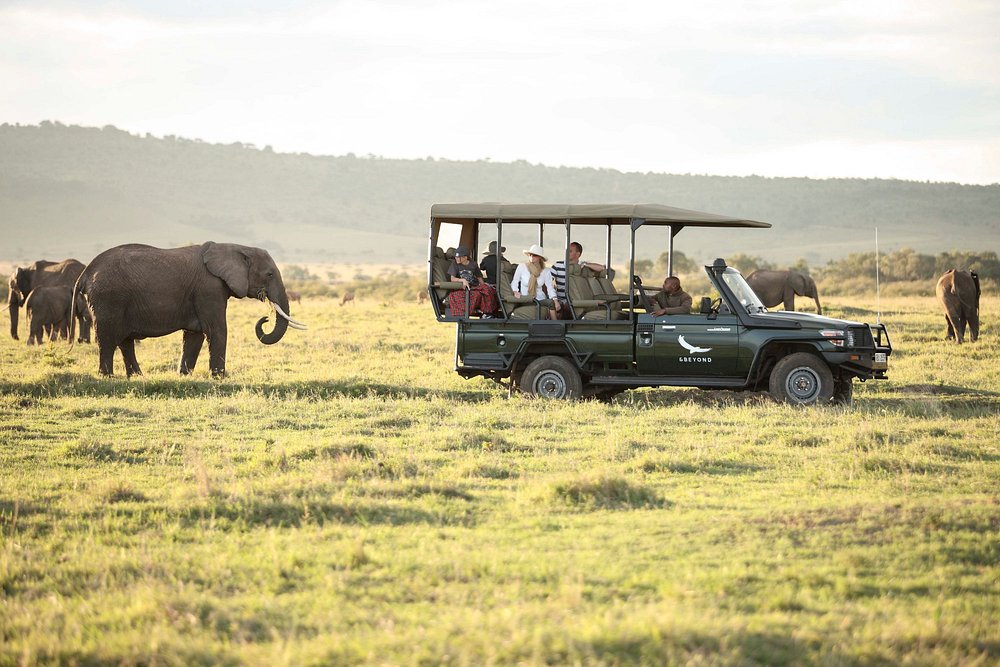
Game drive comfort matters just as much. The best senior-friendly safaris include custom safari vehicles with padded seats, good suspension, and easy-entry steps. I once had a group on a 6-hour game drive in the Serengeti because we were chasing a leopard sighting, and by the end, everyone was exhausted. Now I cap most drives at 3 to 4 hours with a proper rest in between.
Pacing is everything. I avoid single-night stays and build safari itineraries with at least two nights per park—whether it’s the Masai Mara, central Serengeti, or Tarangire National Park. Slow travel allows seniors to adjust to the climate, stay hydrated, and actually enjoy the experience instead of feeling rushed.
Medical access is another factor that can’t be ignored. I always choose safari regions with nearby airstrips connected to flying doctor services. Travel insurance with emergency evacuation coverage is non-negotiable. It’s one of those things you hope is never used, but it has been needed before, and I was relieved we had planned ahead.

Best Destinations in Kenya & Tanzania for Seniors
When clients ask me where to find the best senior-friendly safaris, I often recommend Kenya’s Masai Mara first. Wildlife density there is high year-round, which means less driving between sightings. During the Great Migration from July to October, river crossings can often be seen without long, bumpy detours.
Private conservancies bordering the Masai Mara are even better for older travelers. Fewer vehicles, smoother roads, and flexible schedules make the safari experience calmer and more intimate. I once arranged a conservancy stay where guests enjoyed off-road game viewing and shorter drives, and they told me it felt relaxed but still adventurous.
In Tanzania, the central Serengeti works beautifully for senior safari tours. The terrain is relatively flat, and wildlife viewing is consistent throughout the year. Ngorongoro Crater is breathtaking, but I always warn guests about the steep descent road—it can feel intense, especially for those sensitive to winding drives.
Tarangire National Park is another excellent option. It’s less crowded, transfer times from Arusha are shorter, and the elephant herds are incredible. For many older travelers, seeing dozens of elephants up close becomes the highlight of their Tanzania safari.

Choosing the Right Safari Lodge or Camp
I’ve personally inspected many safari lodges because photos can be misleading. A camp may be labeled “luxury tented safari,” but that doesn’t guarantee senior-friendly design. I learned that lesson after booking a remote property where rooms were a 10-minute walk from the main lodge. It was scenic, but too far for some guests after dinner.
For senior travel in Kenya and Tanzania, I prioritize permanent lodges with solid floors and stable bathrooms. Air conditioning or strong fans are important, especially during hotter months like January and February. Dehydration and fatigue can sneak up fast in the African sun.
Dining flexibility also matters. Many seniors have dietary restrictions—low sodium, diabetic-friendly meals, gluten-free options. Most high-end safari lodges accommodate these needs if informed in advance, but it must be communicated clearly during booking.
Small group safari tours are often better than large group departures. Fewer guests mean more flexibility with game drive schedules and rest breaks. It makes a huge difference in overall comfort.

Health, Safety & Travel Insurance Tips
Health planning is part of organizing the best senior-friendly safaris, even if it’s not the most exciting topic. I always recommend a medical check-up 4 to 8 weeks before departure. Depending on travel routes, vaccinations such as yellow fever may be required, especially when combining Kenya and Tanzania safari itineraries.
Hydration is critical. I remind guests constantly to drink water during game drives, even when they don’t feel thirsty. Lightweight clothing, wide-brim hats, and high-SPF sunscreen should always be packed.
Comprehensive travel insurance is essential. It should include medical evacuation, trip interruption, and coverage for pre-existing conditions. Senior-specific policies are widely available and provide peace of mind, especially in remote safari regions.
In terms of safety, national parks like the Masai Mara, Serengeti, and Tarangire are well-managed and guided by trained professionals. With reputable safari operators, I’ve found the experience to be very secure.

Conclusion
Planning the best senior-friendly safaris in Kenya and Tanzania isn’t about limiting adventure—it’s about designing it wisely. With the right safari lodges, thoughtful pacing, accessible vehicles, and solid travel insurance, seniors can fully enjoy wildlife safaris and witness the Great Migration without unnecessary strain.
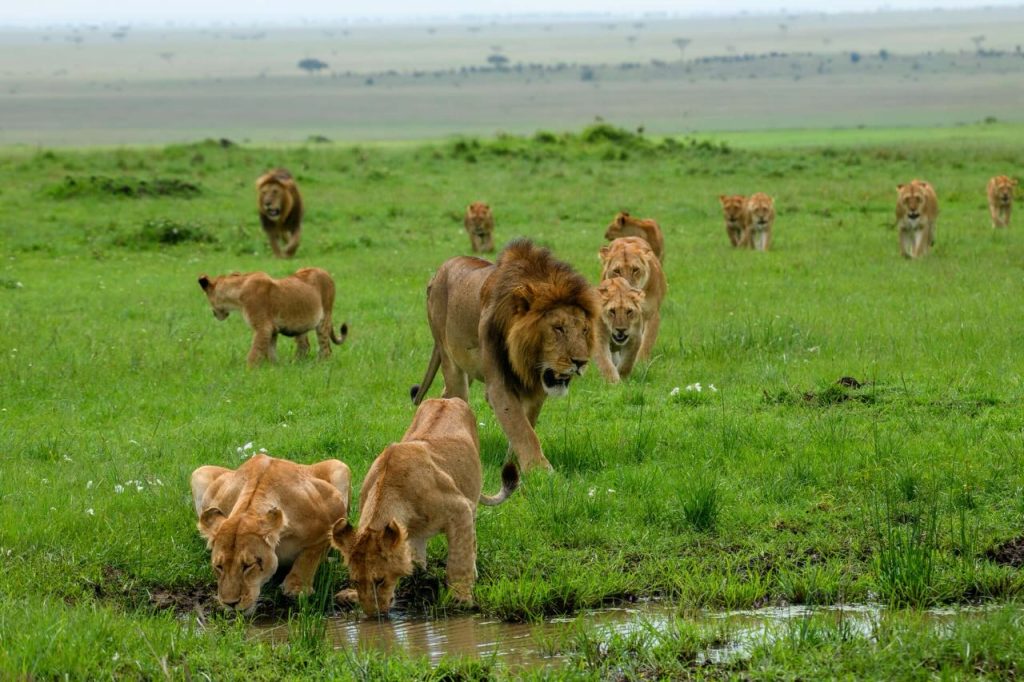
I’ve seen travelers in their 70s and 80s light up watching lions at sunrise in the Serengeti. Age doesn’t cancel the dream of Africa. It just means the details need to be handled carefully.
If you focus on comfort, safety, and smart itinerary design, your Kenya or Tanzania safari can be unforgettable in all the right ways.