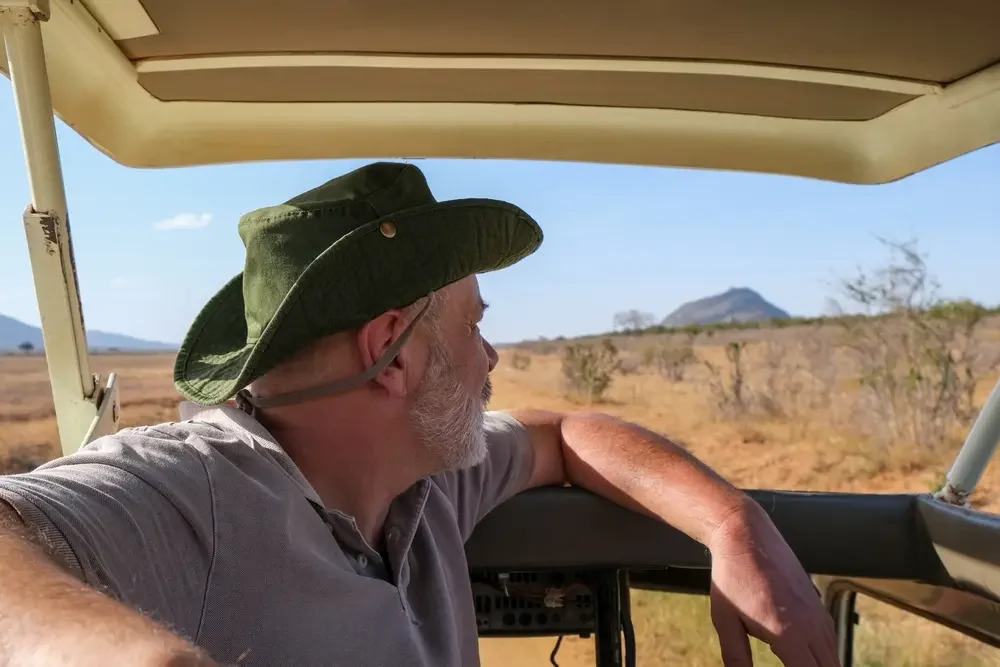
Meaningful Volunteer Safaris in Kenya & Tanzania for Solo Travelers There’s a moment every solo traveler feels after a breathtaking safari — a mix of awe, gratitude, and the quiet question: “How can I give something back?” If that sounds like you, you’re not alone. Many travelers come to Kenya or Tanzania not just to witness Africa’s wildlife, but to help protect it and uplift the communities that live alongside it. Welcome to the world of volunteer safaris — where travel meets purpose, and every action you take leaves a positive mark. 1. What Are Volunteer Safaris? A volunteer safari combines traditional game viewing with hands-on, ethical opportunities to contribute to conservation or community development. Instead of just watching from a safari vehicle, you might help with wildlife monitoring, tree planting, or community education programs that strengthen local livelihoods. For solo travelers, it’s a chance to connect deeply with people and nature while making your trip unforgettable for all the right reasons. 2. Why Volunteer Safaris Matter Tourism in East Africa isn’t just about adventure — it’s about survival.Kenya and Tanzania’s wild spaces thrive because travelers help fund their protection. But volunteer safaris take it one step further. When you contribute your time or skills, you: It’s sustainable travel at its best — where giving back feels as rewarding as the adventure itself. 3. What Kind of Volunteer Opportunities Exist on Safari? Volunteer options in Kenya and Tanzania range from short, flexible add-ons to longer, immersive stays. Here are the most popular (and ethical) types of volunteer safari experiences: Wildlife Conservation Work alongside rangers or researchers tracking elephants, lions, rhinos, or giraffes. Learn about anti-poaching patrols, camera trap data, and animal identification.Examples: Ol Pejeta Conservancy, Lewa Wildlife Conservancy (Kenya); Tarangire Conservation Program, Nyerere National Park (Tanzania). Habitat Restoration Participate in reforestation drives, erosion control, or clean-ups around reserves and local villages. Many lodges now include tree-planting programs as part of guest experiences. Community Education & Empowerment Teach conversational English, mentor youth in tourism skills, or assist with school conservation clubs. Solo travelers often find these exchanges incredibly fulfilling. Health & Sanitation Projects In partnership with local NGOs, some lodges support clean water, hygiene, or women’s empowerment programs — a meaningful way to contribute short-term. 4. Kenya’s Approach to Volunteer Safaris Kenya has become a leader in combining eco-tourism and volunteerism through community conservancies and non-profit collaborations. Key Examples: Every project follows strict ethical guidelines — ensuring your presence benefits wildlife and people, not disrupts them. 5. Volunteer Safaris in Tanzania In Tanzania, conservation volunteering often takes place in or near iconic areas like the Serengeti, Ngorongoro, or Tarangire. Example Programs: Volunteer safaris here tend to balance adventure with tangible impact — and solo travelers can join with ease. 6. Ethical Volunteering: What to Avoid Not all volunteer programs are equal. Some unintentionally do more harm than good — especially where human care or cultural interaction is involved. Avoid: Instead: Choose organizations that: Ask: “How does my participation directly benefit the community or conservation project long-term?” 7. How Safari Lodges Integrate Volunteering Many eco-lodges in Kenya and Tanzania offer optional volunteer or give-back programs within their operations. You might: These short experiences are ideal for solo travelers — flexible, safe, and integrated into your safari itinerary. Discover our Solo-Friendly Volunteer Safaris in Kenya & Tanzania 8. How Your Safari Dollars Already Give Back Even if you don’t volunteer directly, your safari is already supporting conservation and community development. Your park fees, lodge stays, and local purchases help fund: By simply choosing responsible operators, you’re already contributing to long-term sustainability. 9. Combining Safari Adventure and Volunteering If you’re planning a solo trip, consider blending a classic safari experience with a few days of volunteer work. Here’s how to design it: This mix keeps your travel balanced — enriching both you and the destinations you visit. 10. The Benefits of Volunteering as a Solo Traveler Solo travel already brings freedom and self-discovery.Add volunteering, and it becomes a deeper, purpose-driven journey. The payoff: Volunteering transforms you from a tourist into a temporary custodian of Africa’s wild places. 11. Preparing for a Volunteer Safari Before You Go: Preparation shows respect — and ensures your contribution truly counts. 12. Measuring Your Impact True volunteering isn’t about posting photos — it’s about progress. Ways to See Your Effect: Your story can inspire more travelers to give back consciously — a ripple of positive change. 13. A Day in the Life of a Volunteer Safari Morning: Join rangers for wildlife tracking or data collection.Afternoon: Visit a local school to help with environmental education.Evening: Watch the sunset with newfound friends, reflecting on the day’s impact. Each moment feels authentic — not curated — because it’s real. 14. Responsible Giving After You Leave Your connection to the cause doesn’t have to end when the safari does. You can: The best gifts you leave behind aren’t material — they’re opportunities. 15. The Spirit of Giving Back on Safari Traveling solo in Africa is already transformative.But when you add purpose to your journey, it becomes powerful. Every hour volunteered, every tree planted, and every smile exchanged contributes to something lasting — a legacy of hope and harmony between people and nature.