
Introduction
“How much does a solo safari actually cost?” That question usually comes with a nervous laugh when someone emails me for the first time. And I get it. Safaris sound magical, but the prices can feel mysterious, almost secretive, especially for solo travelers who don’t have anyone to split costs with.
After planning countless solo safaris in Kenya and Tanzania, I’ve learned that the biggest shock isn’t always the final number. It’s realizing why the number is what it is. Park fees, vehicles, guides, fuel, accommodation, and those annoying single supplements all quietly add up. Let’s walk through it honestly, without sugarcoating, so you know what you’re really paying for.
What Determines the Cost of a Solo Safari in Kenya and Tanzania
The solo safari cost in Kenya and Tanzania depends on more moving parts than most people expect. Length of stay matters, obviously, but so does where you go, how you move, and whether you travel privately or join a group. I’ve seen two travelers spend wildly different amounts on trips that looked similar on paper.
Solo travelers often pay more simply because costs like vehicles and guides don’t shrink just because there’s one person. That part frustrates people, and yeah, it frustrates me too. But understanding this early helps you plan smarter instead of feeling blindsided later.
Average Solo Safari Costs in Kenya
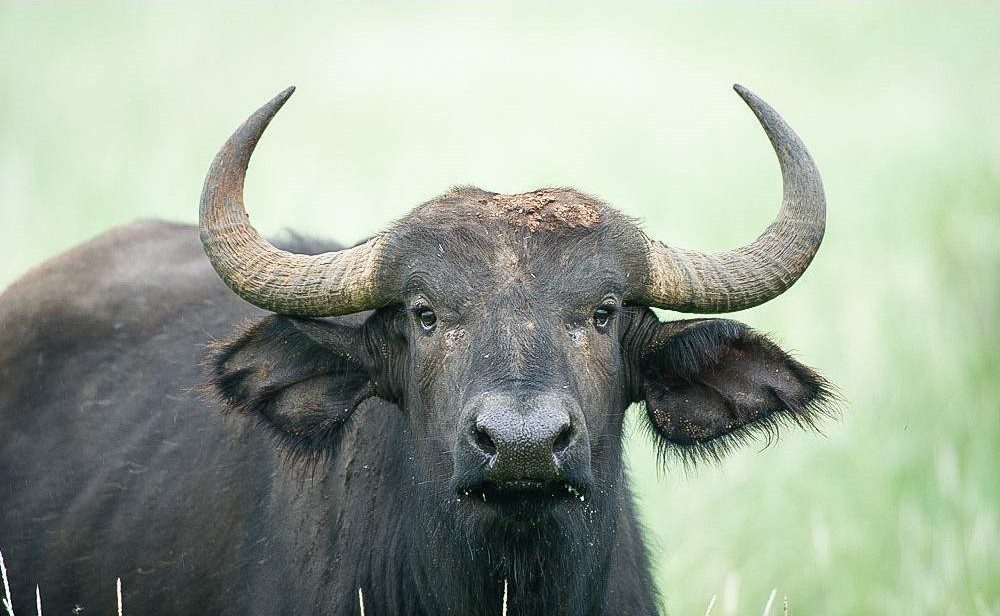
Kenya is usually the easier pill to swallow for solo travelers. On average, budget solo safaris in Kenya can start around $200–$250 per person per day if you join a group safari. Mid-range safaris often land between $350–$500 per person per day, while luxury options climb well beyond that.
What helps is Kenya’s strong group safari culture. I’ve paired solo travelers together countless times, which cuts costs fast. Park fees in places like the Maasai Mara are high, but logistics are simpler, and that keeps the overall kenya safari prices more manageable.
Average Solo Safari Costs in Tanzania
Tanzania is stunning, but it’s rarely cheap. Solo safari cost Tanzania often starts around $300–$350 per person per day even at the budget level, mainly because distances are long and park fees are steep. Ngorongoro Crater alone can add hundreds of dollars in fees for a single day.
I’ve had solo travelers fall in love with the Serengeti, then gasp when they see the quote. It’s not a scam—it’s just Tanzania being Tanzania. Bigger parks, longer drives, higher costs.
Budget vs Mid-Range vs Luxury Solo Safaris
Budget safaris usually mean shared vehicles, simpler lodges, and fixed itineraries. Mid-range offers better comfort, fewer people, and smoother pacing. Luxury is where things get wild—private vehicles, fly-in camps, and prices that can feel unreal.
I’ve learned that most solo travelers are happiest in mid-range. You get comfort without feeling isolated or overpaying just for the label.

Single Supplement Fees Explained
Single supplement safari fees are the bane of solo travel. They exist because lodges price rooms assuming two people. For solo travelers, this can add 30–70% to accommodation costs.
The trick is timing and flexibility. Traveling in low season or choosing camps that waive single supplements can save thousands. I’ve seen relief on people’s faces when this gets removed—it’s real.
Group Joining Safaris vs Private Safaris
Group safaris are cheaper, social, and great for first-timers. Private safaris offer freedom but cost more, especially for solo travelers. I usually recommend group safaris unless someone is very specific about their needs.
Private safaris shine when time is tight or interests are niche. Otherwise, group options often deliver better value.
Hidden Costs Solo Travelers Often Miss
Flights, tips, drinks, visas, and travel insurance sneak up fast. Park fee increases happen without much warning. These aren’t scams, just realities.
I always tell travelers to pad their budget by 10–15%. It saves stress later.
Cheapest Time to Go on a Solo Safari
Low season and shoulder season are gold for solo travelers. April, May, and November often bring big discounts. Some lodges drop single supplements entirely during these months.
The safari is still incredible, just greener and quieter.
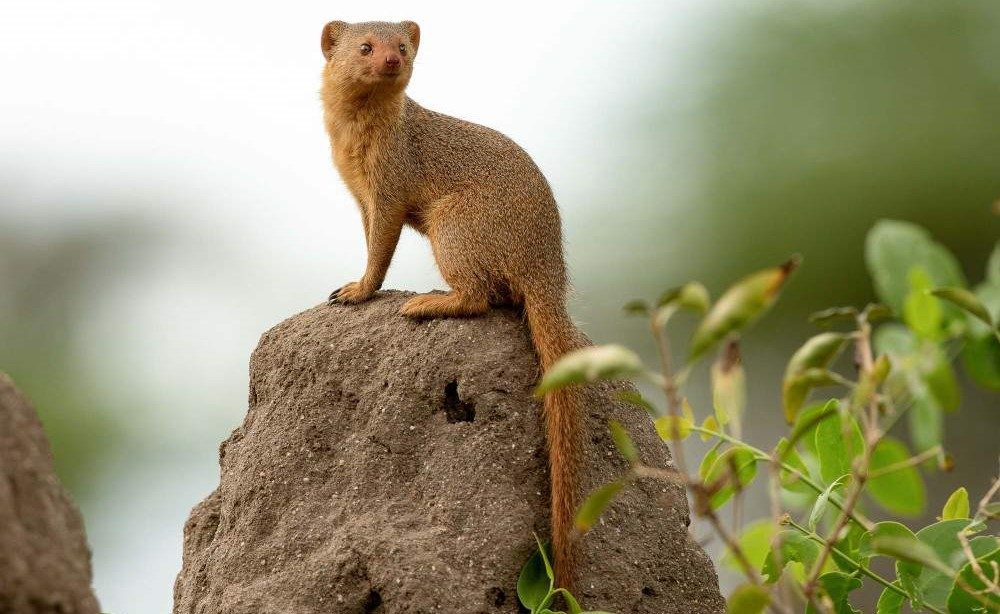
Kenya vs Tanzania – Which Is Cheaper for Solo Safaris?
Kenya usually wins on value for solo travelers. Tanzania offers epic scale, but at a higher price. If budget matters more than bragging rights, Kenya often makes more sense.
I’ve seen people happier spending less and staying longer than blowing everything on one park.
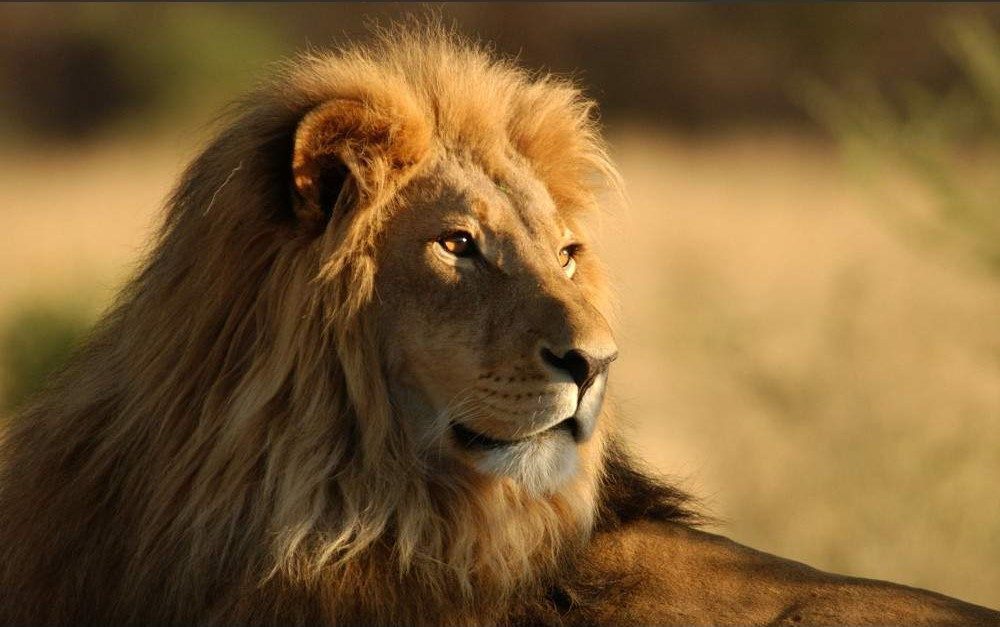
How to Save Money on a Solo Safari
Be flexible with dates, join group safaris, and don’t overpack your itinerary. Fewer parks often means better experiences and lower costs. Booking with experienced local operators also helps avoid overpriced mistakes.
I’ve learned that cheaper doesn’t mean worse—it just means smarter.
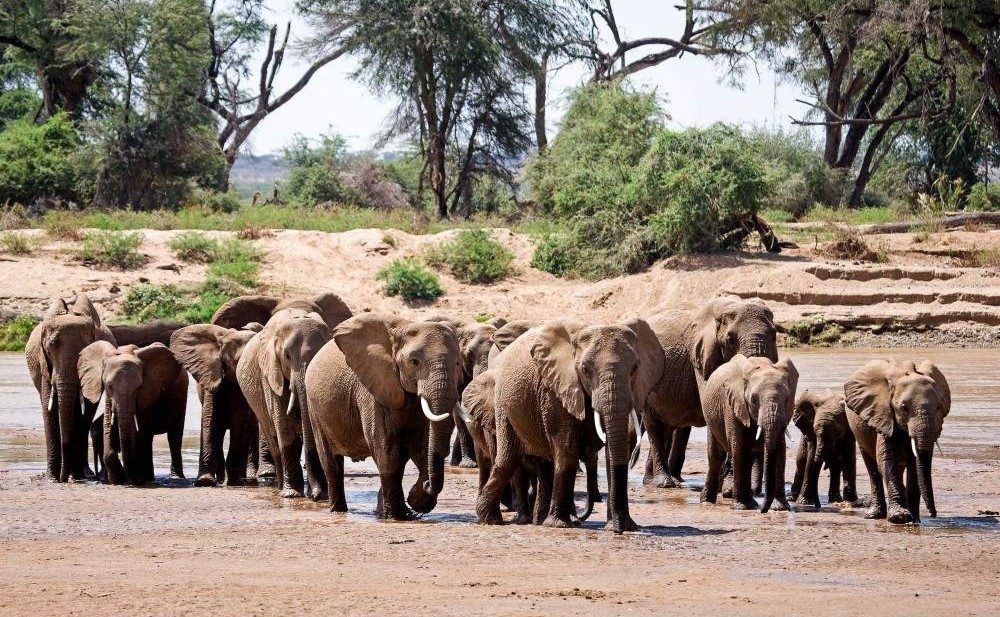
Conclusion
The solo safari cost in Kenya and Tanzania isn’t cheap, but it doesn’t have to be overwhelming. Kenya offers better affordability and flexibility, while Tanzania delivers scale and drama at a higher price. Understanding where your money goes changes everything.
I’ve watched solo travelers stress over budgets, then come back saying it was worth every dollar. Plan wisely, know your priorities, and your safari will feel priceless—even if the invoice didn’t.