
Introduction
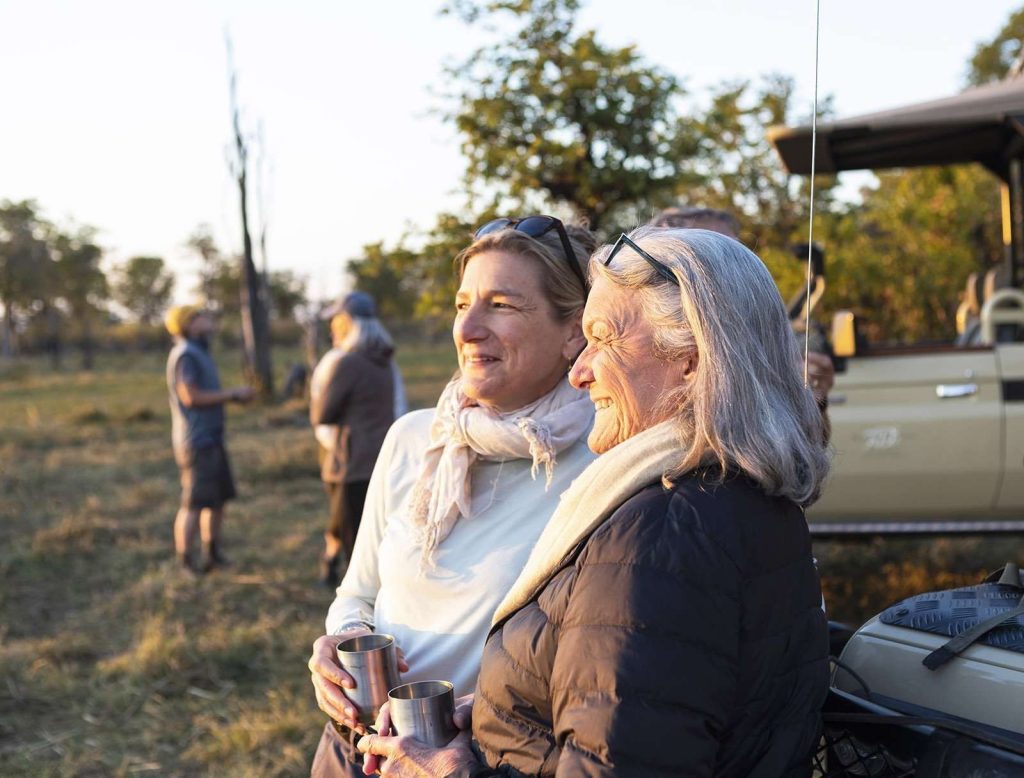
“I’m not as young as I used to be… can I really handle a safari?” I’ve heard that exact line more times than I can count while planning trips, and every time it makes me smile a bit. Safaris look wild and intense online, but the truth about safari physical demands for seniors is way calmer than the marketing photos suggest. Most days are slow, thoughtful, and honestly pretty gentle if they’re planned right.
When I first started arranging safaris for older travelers, I assumed fitness would be the biggest hurdle. Turns out, it’s not about strength at all. It’s about pacing, comfort, and knowing where the sneaky physical strain actually hides.
What People Mean by “Physical Demands” on a Safari
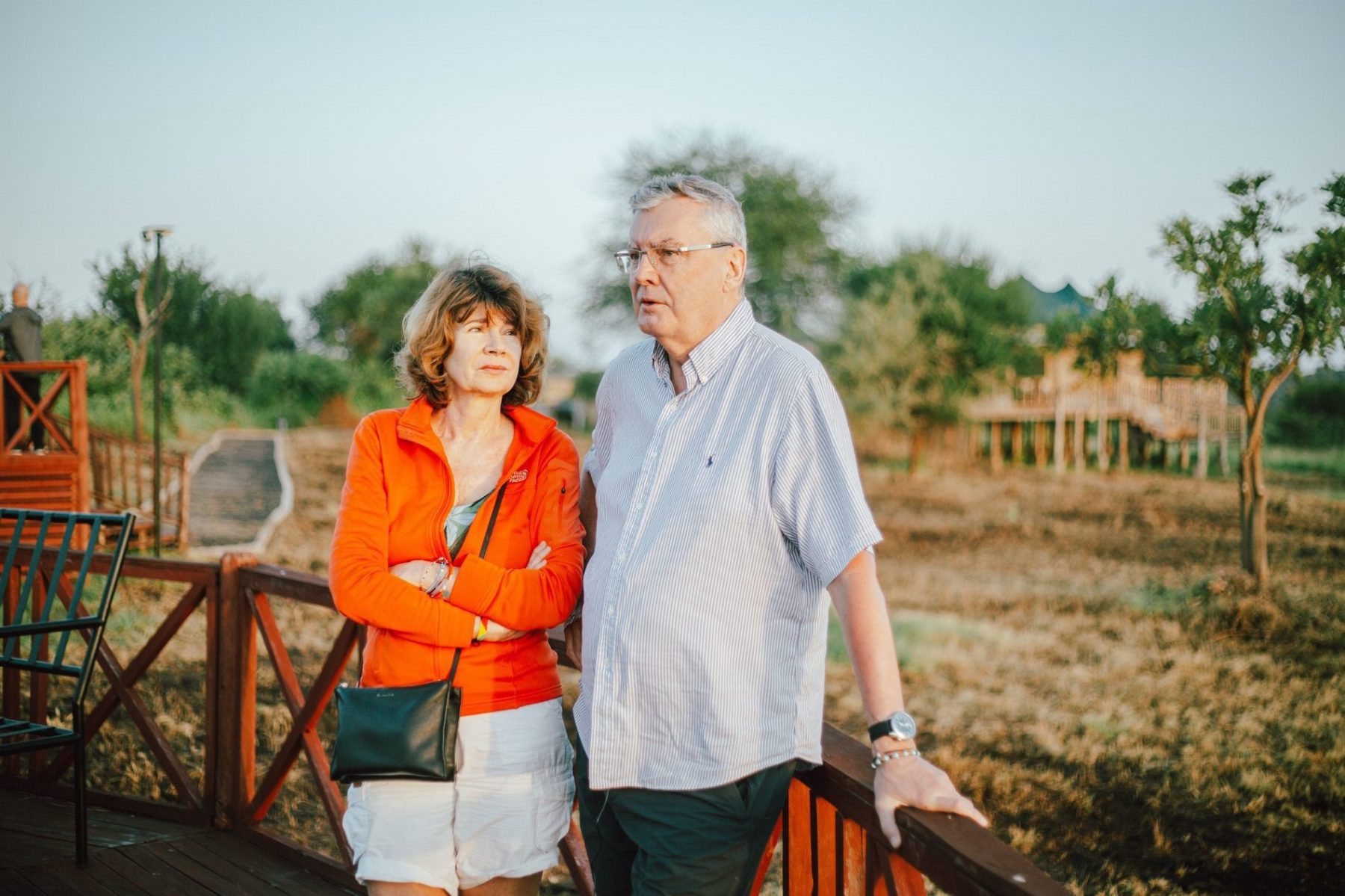
When people ask how physically demanding a safari is, they’re usually picturing hiking for miles or climbing into jeeps like an obstacle course. That’s not how most African safaris work, especially senior-friendly ones. A typical day involves early coffee, a game drive, a long lunch, maybe a nap, then another short drive.
I once had a guest cancel because she thought she’d be “roughing it,” and I felt awful for not explaining better. She would’ve spent more time sitting than she did at home. That misunderstanding still bugs me, honestly.

How Much Walking Is Actually Required on a Safari
Here’s the surprise: walking is minimal. Most wildlife viewing happens from the vehicle, not on foot, which is why safaris are considered low impact travel for seniors. Even lodge walks are usually short and flat, though I’ve learned to always ask about distances after one lodge had a sneaky uphill path.
Walking safaris do exist, but they’re optional and clearly labeled. If walking isn’t your thing, no one forces it, period.
Getting In and Out of Safari Vehicles
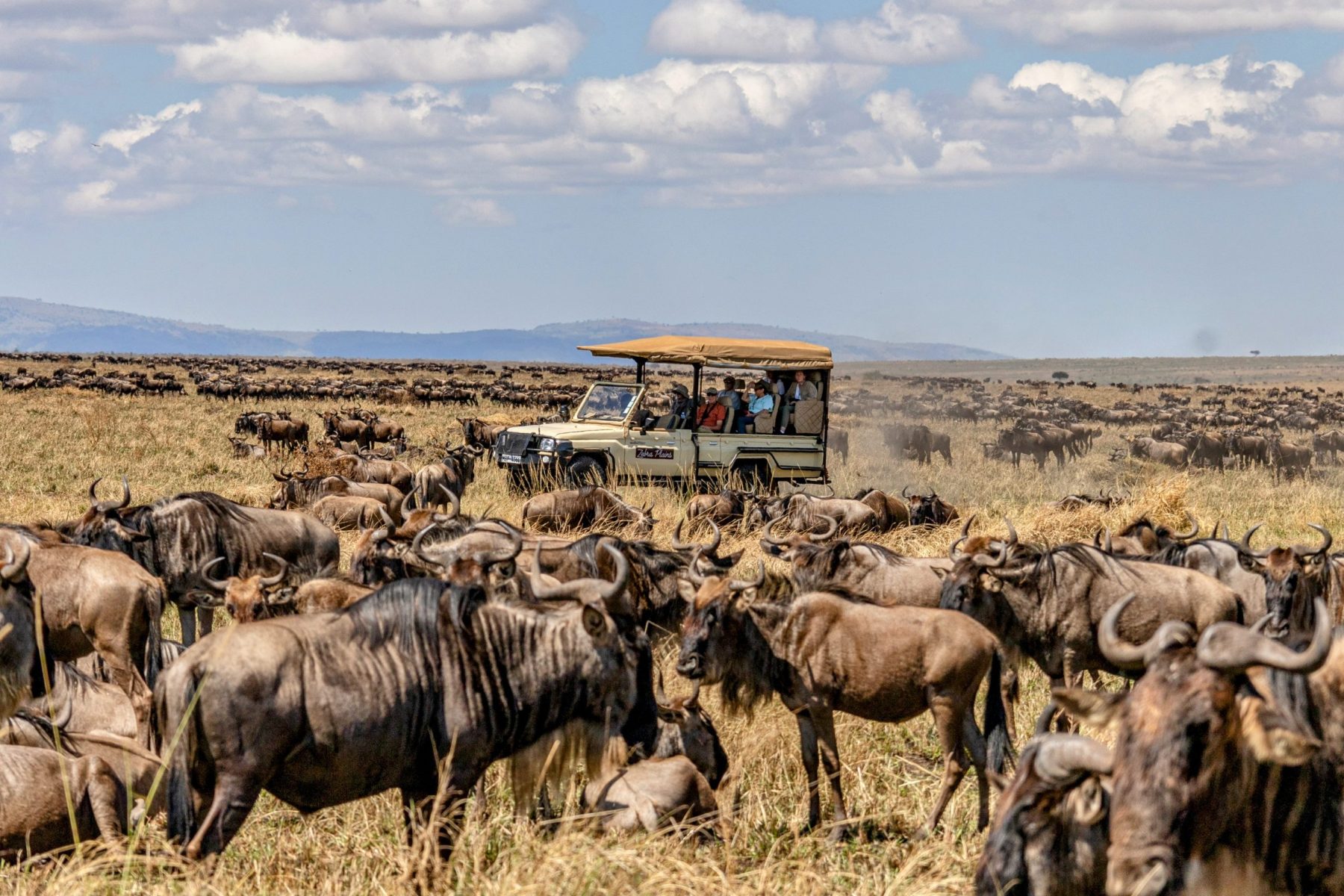
This part matters more than people think. Getting in and out of a safari vehicle happens several times a day, and step height can be an issue for knees and hips. I once booked a vehicle without side steps for a couple with arthritis, and yeah… lesson learned the hard way.
Good safari vehicles for seniors have grab handles, lower steps, and drivers who don’t rush you. If a tour operator shrugs this off, that’s a red flag.
Sitting for Long Hours The Hidden Physical Challenge
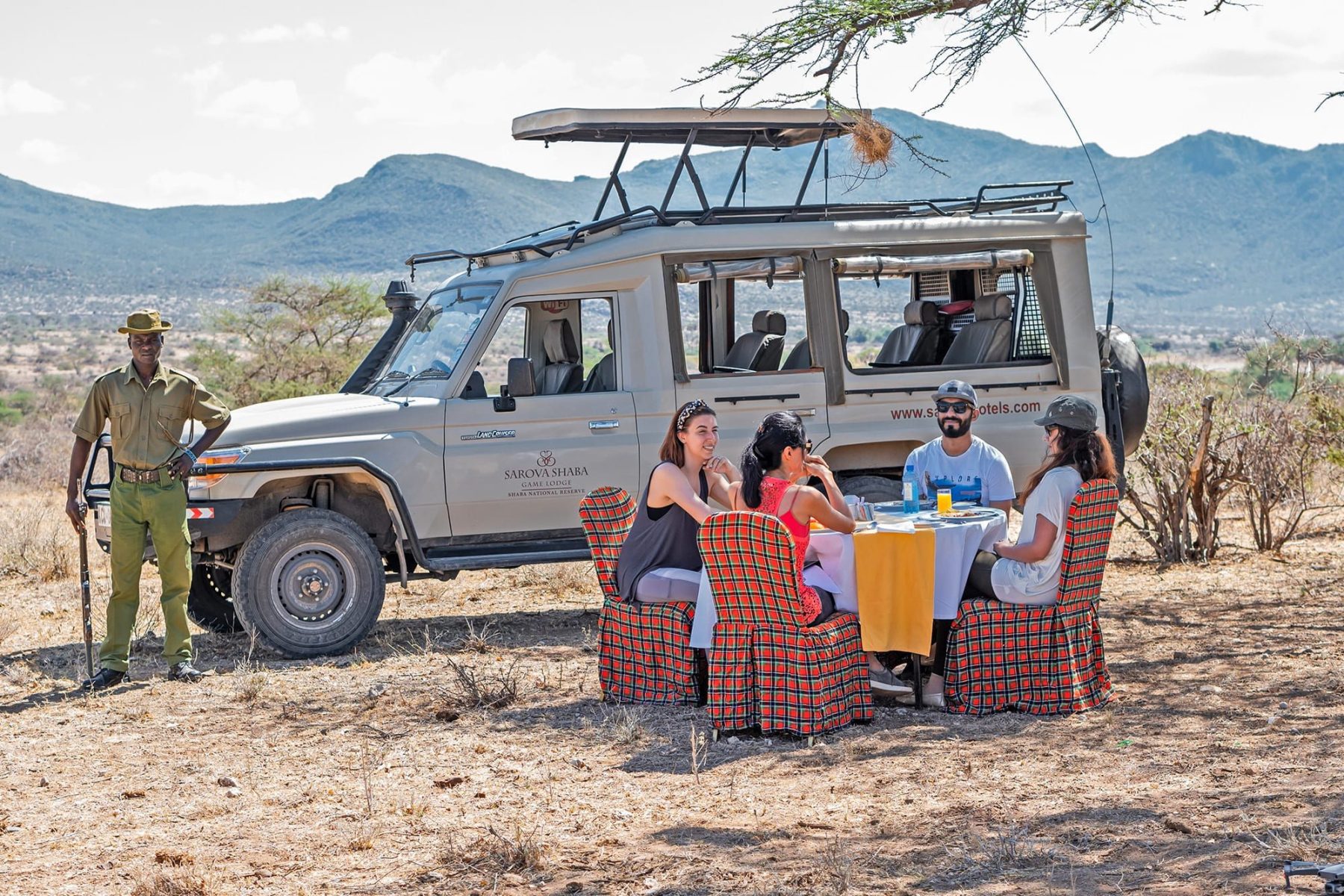
The real physical demand? Sitting. Game drives often last two to four hours, and that can be tough on backs and circulation. I’ve seen guests feel more sore from sitting than walking, which sounds backward but it’s true.
Suspension quality matters a lot. A smooth ride reduces fatigue, especially for seniors with back pain or joint stiffness.
This is where experience comes in. Knowing when to choose fly-in safaris or limit long road transfers reduces safari physical demands for seniors big time.

Heat, Climate, and Energy Levels for Seniors
Heat sneaks up on people. Early mornings are cool, afternoons are hot, and dehydration is the enemy. I always tell seniors to drink water before they feel thirsty, even if they “don’t feel hot.”
Most safaris schedule activities early and late, avoiding midday heat. That rhythm helps energy levels stay steady, not drained.

Health Conditions and Safari Readiness
Arthritis, knee problems, heart conditions—these don’t automatically rule out a safari. I’ve planned trips for travelers in their 70s who did great because expectations were realistic. What matters is honest communication and sometimes a doctor’s okay.
Ignoring health limits is where problems happen. I’ve seen it, and it’s avoidable.

How Safari Styles Change Physical Demands
Lodge-based safaris are easier than mobile camping, hands down. Fly-in safaris reduce long drives, and private safaris allow flexible pacing, which seniors love. Group tours can feel rushed, and that’s when fatigue creeps in.
Private planning costs more, sure, but it saves energy and stress.

Can Seniors Do Walking Safaris or Light Activities?
Some seniors actually love walking safaris. Short, slow walks with armed guides can be incredible, but they’re not for everyone. Age limits usually start around 55–60, and fitness matters more than age.
There are great alternatives too, like village visits or scenic viewpoints, that offer movement without strain.

How to Reduce Safari Physical Demands for Seniors
The biggest trick is saying no to packed itineraries. Fewer parks, fewer transfers, more rest. Choosing the right lodge, vehicle, and guide changes everything.
Planning smart turns a safari from exhausting into energizing.
Conclusion
So, how physically demanding is a safari for seniors? Not very, when done right. Most safaris are seated, paced, and adaptable, with physical effort kept low and comfort prioritized. With thoughtful planning, seniors don’t just manage safaris—they truly enjoy them, and that’s the part I never get tired of seeing