
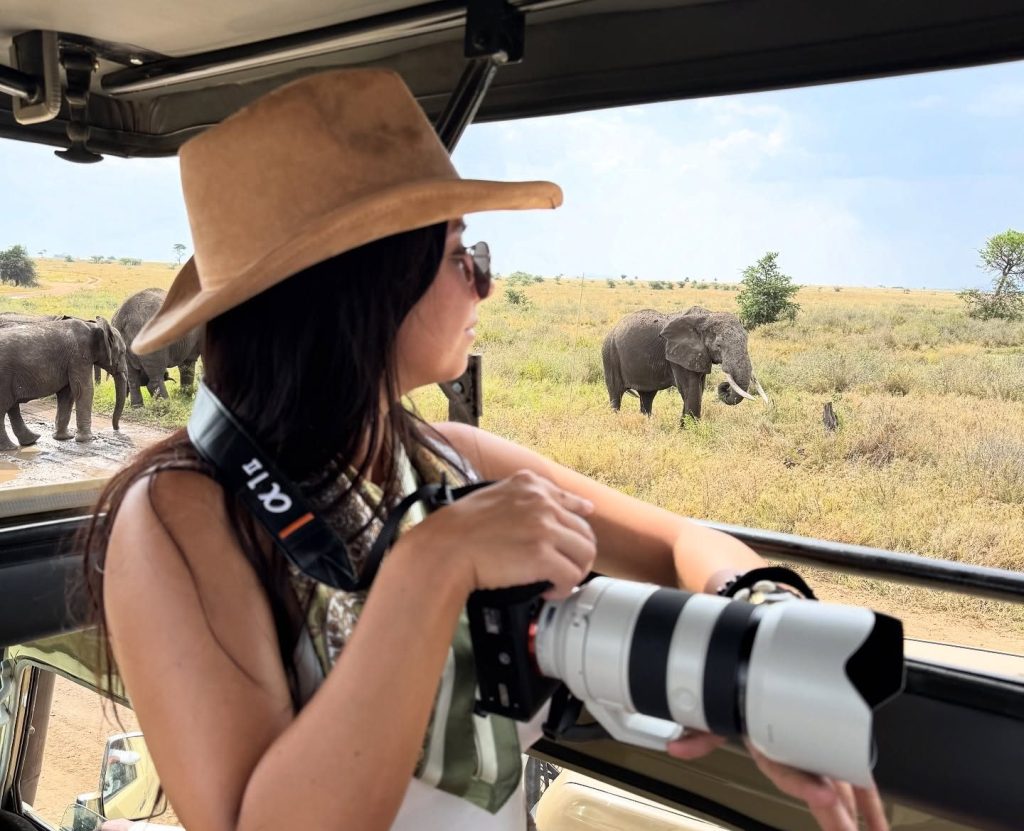
I’ve planned a lot of safaris over the years, and I’ll be honest, solo travelers usually show up with the biggest mix of excitement and nerves. I get it. The idea of a solo safari itinerary sounds magical, but also a bit intimidating, especially the first time. I remember one traveler telling me, half-joking, “I just don’t want to mess this up.” Truth is, most people do mess it up a little, and that’s okay.
A good solo safari itinerary isn’t about squeezing in every national park or chasing the cheapest deal. It’s about flow, energy, and not feeling rushed. Africa has a way of slowing you down whether you like it or not, and if your itinerary fights that rhythm, you’ll feel it by day three. I’ve seen it happen more than once, usually after too many early morning game drives stacked back to back.
Let’s talk honestly about what works for 7, 10, and 14-day solo safari travel, based on real planning mistakes, long drives, and a few hard-earned wins.

What Makes a Good Solo Safari Itinerary?
When I first started planning solo safari travel, I treated it like couple itineraries. Big mistake. Solo travelers experience things differently, especially downtime. Too much movement and you feel drained, too little and you feel stuck in your own head.
A solid solo safari itinerary balances game drives with breathing room. Parks that are close together matter more than people realize, because eight-hour drives feel longer when you’re not chatting with a partner. Group joining safaris help too, not just for cost, but for energy. I’ve watched solo travelers light up at dinner just from swapping lion stories with strangers.
One thing I learned the hard way is that internal flights are sometimes worth the extra cost. Long road transfers sound romantic, but by hour six on a bumpy road, romance is gone. Was gone.
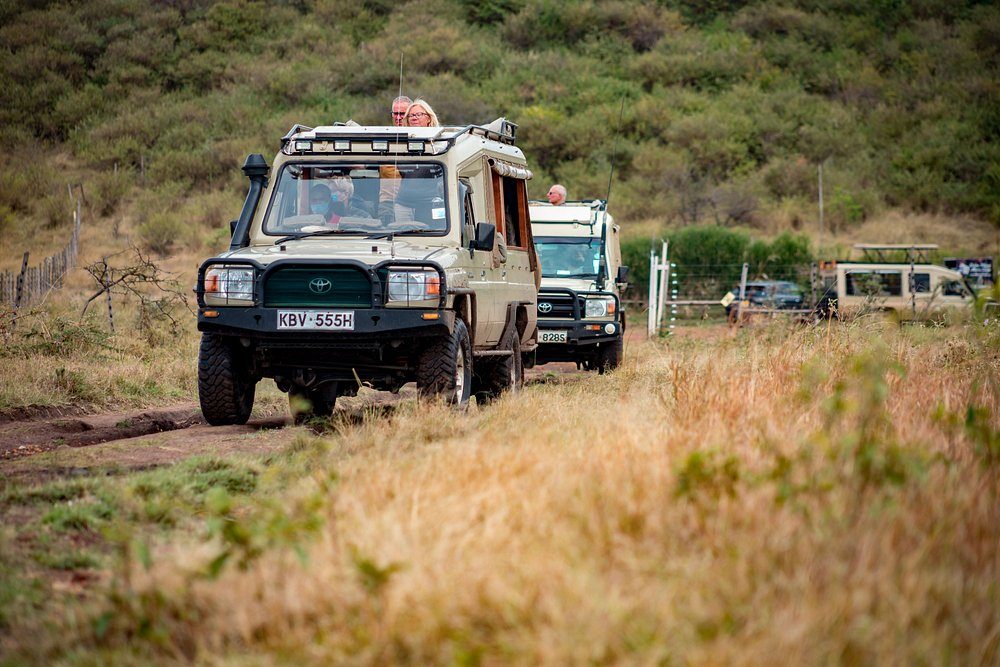
7-Day Solo Safari Itinerary (Best for First-Timers)
Seven days is perfect if it’s your first solo safari in Africa. I usually suggest sticking to one main region, like the Masai Mara in Kenya or the Serengeti and Ngorongoro combo in Tanzania. Trying to do more just leads to exhaustion, trust me.
A typical 7-day solo safari itinerary works best with two parks, maybe three if distances are short. You’ll get early morning game drives, lazy lunches back at camp, and evenings where conversation comes easy because everyone’s tired in the same way. Costs usually range from midrange to luxury, but even budget solo safari tours can feel special if planned right.
The biggest win here is confidence. By day five, most solo travelers realize they’re doing just fine, and that’s a powerful feeling.

10-Day Solo Safari Itinerary (Balanced & Flexible)
Ten days is my personal favorite length for solo safari planning. It gives room for mistakes without ruining the trip. Miss a leopard sighting? No stress, you’ve got more days.
With a 10-day solo safari itinerary, you can slow down in one park and still explore another. I often recommend combining the Serengeti with Tarangire or Masai Mara with Lake Nakuru. Travel days feel less rushed, and rest days don’t feel like wasted time.
Costs increase, yes, but value improves too. You’re less likely to feel burned out, and solo travelers tend to open up more when they’re not constantly packing bags. That social part matters more than people expect.

14-Day Solo Safari Itinerary (In-Depth Experience)
Fourteen days is for travelers who really want to sink in. I’ve seen people come back changed after a two-week solo safari, and I don’t say that lightly.
A 14-day solo safari itinerary allows deeper exploration, maybe adding lesser-known parks or even crossing borders. But fatigue is real. I always suggest breaking things up with lighter days, cultural visits, or even a night without a game drive. Wildlife will still be there tomorrow.
Budget matters more here. Longer trips amplify single supplement costs, so group joining safaris or fly-in routes can help balance things out.

Kenya vs Tanzania for Solo Safari Itineraries
This question comes up constantly. Kenya is often better for first-time solo safari travelers because parks are closer and group tours are easier to find. Tanzania feels wilder and more spread out, which some solo travelers love, others not so much.
Costs in Tanzania are generally higher, especially park fees, but the experience can feel more immersive. Kenya offers flexibility and variety, while Tanzania delivers scale and drama. Neither is wrong, just different.

Solo Safari Itinerary Costs & Budget Planning
Solo safari cost surprises people. Daily rates can range from $250 on budget group safaris to $800+ for luxury options. Single supplements add up fast, and they’re often misunderstood.
One trick I learned is aligning dates with scheduled departures. Joining a group safari can cut costs nearly in half for solo travelers. Flying between parks sometimes saves money once you factor in long road transfers.

Best Time of Year for a Solo Safari Itinerary
Dry season is popular for a reason. Wildlife is easier to spot, and logistics run smoother. But green season has fewer crowds and lower prices, which many solo safari travelers actually prefer.
Migration season sounds exciting, but it’s busy and expensive. First-timers sometimes enjoy shoulder months more, when camps feel relaxed and guides have time to talk.

Common Mistakes When Planning a Solo Safari Itinerary
The biggest mistake is cramming too much in. I’ve done it. It didn’t end well. Over planning leads to exhaustion, not adventure.
Another mistake is chasing the cheapest option without understanding logistics. Long drives, rushed schedules, and poor camps can ruin the vibe fast.

Conclusion
A great solo safari itinerary isn’t about perfection. It’s about rhythm. When your days flow naturally, the experience opens up, and suddenly being alone feels like freedom instead of fear.
Whether you choose 7, 10, or 14 days, plan with intention and honesty about your energy. Africa rewards patience, curiosity, and flexibility. Do that, and your solo safari won’t just be a trip, it’ll be a story you carry for life.