
What Makes a Safari Company Truly Ethical and Sustainable? As safari travel grows in popularity, more travelers are asking:
👉 “What actually makes a safari company ethical and sustainable?”
It’s a critical question—because not all safari operators operate responsibly. Some protect wildlife and empower communities, while others prioritize short-term profit at the expense of ecosystems and people.
Leading safari platforms like SafariBookings, Discover Africa Safaris, and Go2Africa consistently highlight that ethical and sustainable practices are not optional—they are central to the future of safari travel.
This guide explains what defines a truly ethical and sustainable safari company, especially in Kenya and Tanzania.
Why Ethical and Sustainable Safaris Matter
A safari is not just a holiday—it directly impacts:
- Wildlife survival
- Habitat conservation
- Local economies
- Cultural preservation
- Climate and environment
👉 Ethical safari companies ensure your trip contributes positively to these areas.
1. Responsible Wildlife Viewing Practices
What Ethical Safari Companies Do
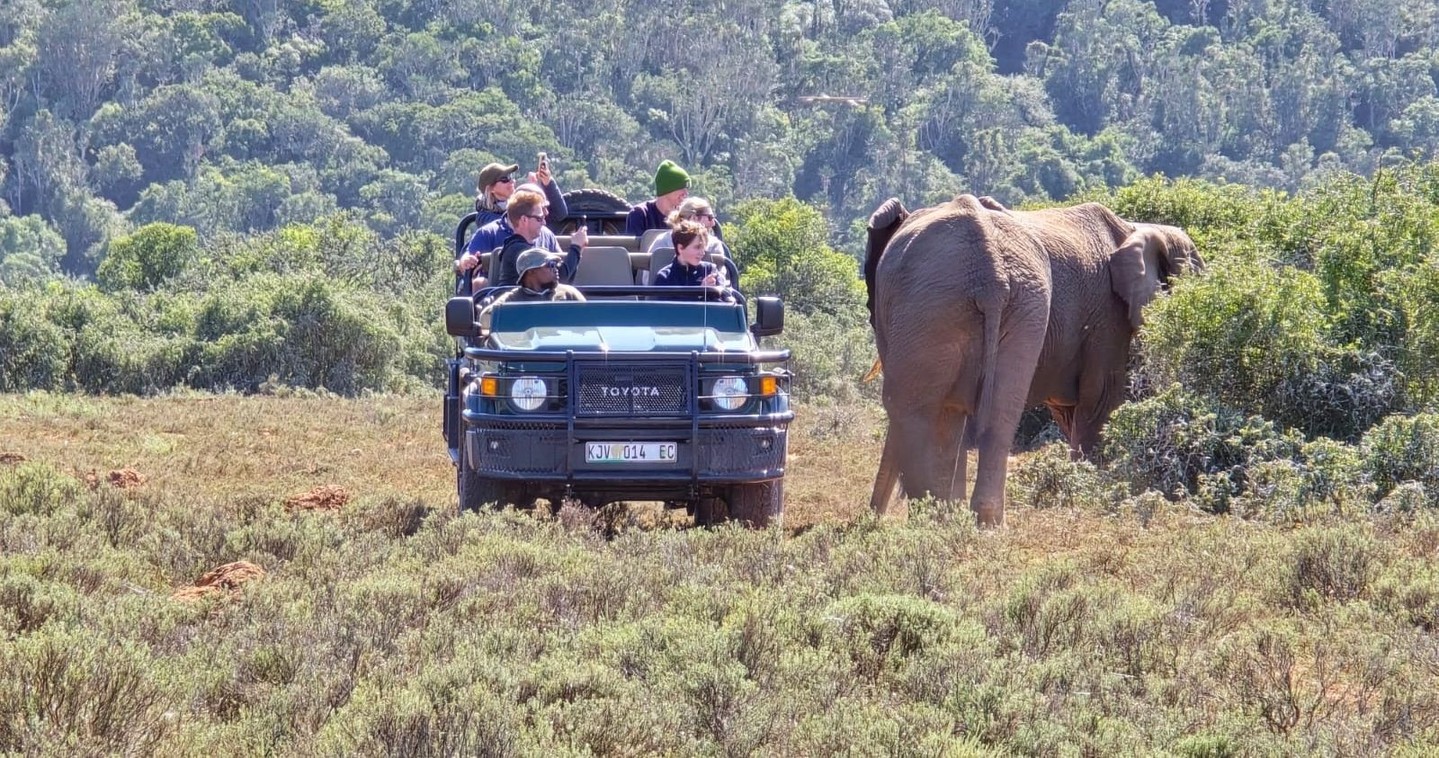
✔ Maintain safe distances from animals
✔ Follow park rules strictly
✔ Limit vehicle crowding at sightings
✔ Avoid off-road driving in restricted areas
✔ Never bait, feed, or disturb wildlife
In iconic ecosystems like the Masai Mara National Reserve and Serengeti National Park, responsible viewing is essential to protect animal behavior and habitats.
SafariBookings often stresses that ethical operators prioritize wildlife welfare over guest pressure for close encounters.
Red Flags
❌ “Guaranteed Big Five sightings” promises
❌ Vehicles chasing animals
❌ Ignoring park regulations
2. Genuine Conservation Contribution
Ethical safari companies actively support conservation—not just market it.
Key Indicators
✔ Financial contributions to conservation projects
✔ Partnerships with conservancies and reserves
✔ Support for anti-poaching units
✔ Participation in habitat restoration
Discover Africa frequently emphasizes that tourism must fund conservation to remain sustainable.
3. Strong Community Impact
A truly sustainable safari benefits local communities.
What to Look For
✔ Employment of local guides and staff
✔ Fair wages and working conditions
✔ Support for schools and health initiatives
✔ Community-owned or partnered lodges
In regions around Amboseli National Park and Ngorongoro Conservation Area, community partnerships are essential to long-term conservation success.
Go2Africa often highlights that community involvement is key to protecting wildlife through shared economic benefit.
Red Flags
❌ Token or staged cultural visits
❌ Minimal local employment
❌ Lack of transparency about community support
4. Environmentally Responsible Lodges and Camps
Where you stay plays a major role in sustainability.
Ethical Lodges Typically:
✔ Use solar or renewable energy
✔ Reduce single-use plastics
✔ Implement water conservation systems
✔ Manage waste responsibly
✔ Source food locally
Questions to Ask
- Does the lodge have eco-certification?
- How do they manage water and waste?
- Do they support local suppliers?
5. Low-Impact Tourism Approach
Ethical safari companies aim to minimize environmental impact.
Best Practices
✔ Small group sizes
✔ Private or low-density experiences
✔ Controlled vehicle numbers
✔ Respect for sensitive habitats
👉 This is especially important in high-traffic areas like the Masai Mara during migration season.
6. Transparency and Honest Marketing
Ethical companies are clear and honest.
They Provide:
✔ Clear pricing breakdowns
✔ Realistic expectations
✔ Accurate itineraries
✔ Honest wildlife expectations
SafariBookings often recommends avoiding companies that overpromise or hide key details.

7. Fair Treatment of Staff
Sustainability includes people—not just wildlife.
Ethical Operators Ensure:
✔ Fair wages
✔ Safe working conditions
✔ Professional training
✔ Career development
Happy, respected staff often lead to better safari experiences.
8. Support for Local Economies
Ethical safari companies:
✔ Source goods locally
✔ Partner with local businesses
✔ Promote regional tourism benefits
This ensures tourism revenue stays within the destination.

9. Certifications and Industry Standards
While not mandatory, certifications help identify responsible operators.
Look For:
✔ Membership in tourism associations
✔ Sustainability certifications
✔ Conservation affiliations
Discover Africa and Go2Africa both emphasize the importance of credible partnerships and affiliations.
10. Education and Awareness
Ethical safari companies educate travelers.
They Encourage:
✔ Respect for wildlife
✔ Cultural sensitivity
✔ Environmental awareness
✔ Responsible behavior during safaris
👉 A good safari should leave you more informed—not just entertained.
What Top Safari Companies Commonly Emphasize
Based on their positioning:
- SafariBookings: Transparency and verified reviews
- Discover Africa: Conservation-driven tourism
- Go2Africa: Responsible travel enhances long-term safari sustainability
👉 Shared takeaway: ethical practices improve both the destination and the traveler experience.
Signs You’ve Chosen a Truly Ethical Safari Company
✔ Strong conservation involvement
✔ Clear community impact
✔ Responsible wildlife practices
✔ Transparent communication
✔ Positive, detailed reviews
✔ Sustainable lodge partnerships

Final Verdict: What Makes a Safari Company Ethical and Sustainable?
A truly ethical and sustainable safari company:
✔ Protects wildlife
✔ Supports conservation
✔ Benefits local communities
✔ Minimizes environmental impact
✔ Operates transparently
✔ Treats staff fairly

Expert Recommendation
When choosing a safari company, don’t just compare price.
Instead, ask:
✔ How do they impact wildlife?
✔ How do they support communities?
✔ How do they operate sustainably?