
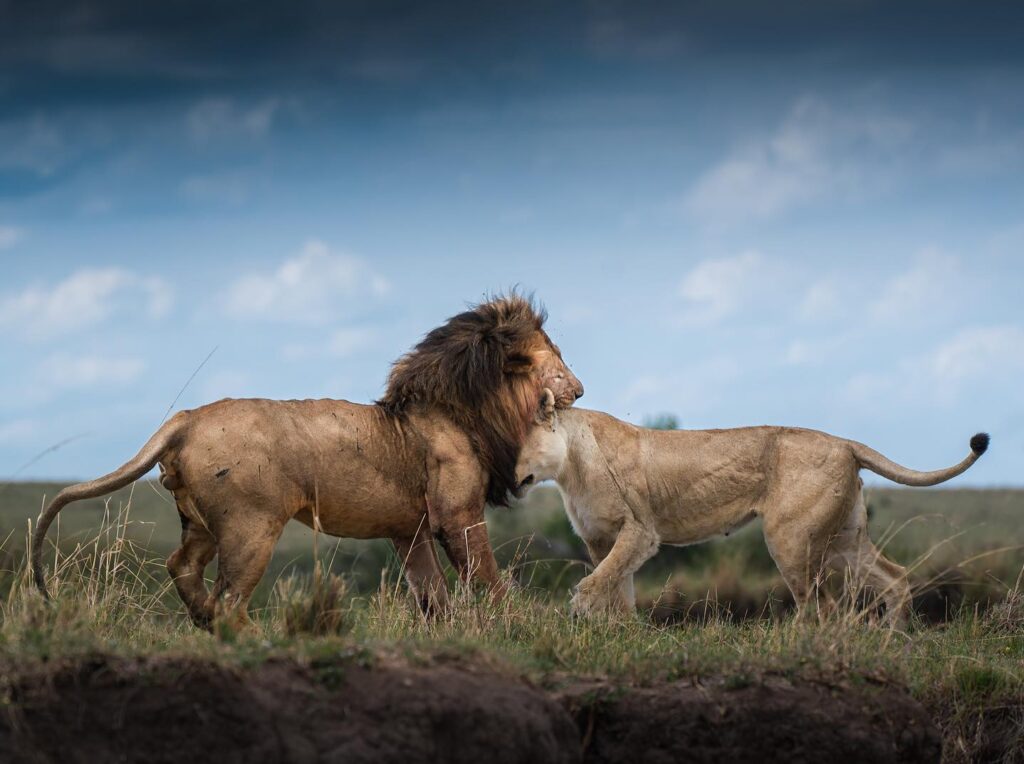
The First Time I Realized White Clothes and Safari Do Not Mix
When people first book a safari, one funny question pops up a lot: “Can I wear white on safari?” I used to think it was no big deal too. Honestly, years back while helping travelers plan their safari trips, I even thought white shirts looked smart for those beautiful safari photos under the African sun. Clean, bright, classic… what could go wrong? Well, quite a bit actually.
After planning many wildlife safaris and hearing stories from guests returning from places like the Masai Mara, Serengeti, Amboseli, and Ngorongoro, I started noticing a pattern. Travelers who packed bright white clothing often complained about dust stains, bugs, discomfort, and feeling strangely too noticeable during game drives. One older traveler joked that his white trousers looked “ten years older” after one dusty afternoon drive. That stuck with me.
If you are looking for practical safari clothing tips, this is one lesson worth learning early. White clothing may seem harmless, but on safari it usually creates more problems than convenience. A safari packing list should focus on comfort, blending with the environment, temperature changes, and keeping dust and insects from becoming your unwanted travel buddies.
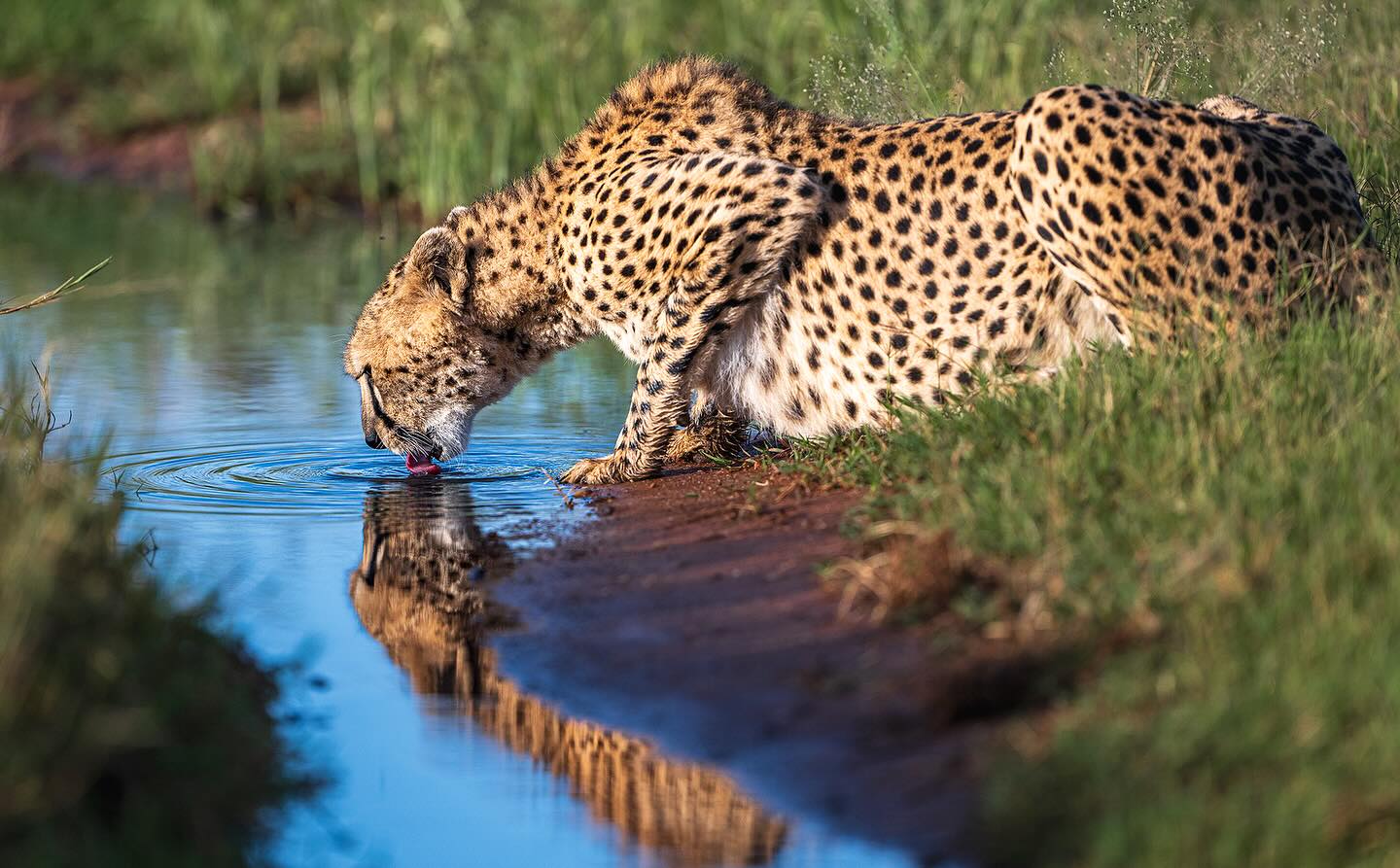
Why White Clothes Become a Problem on Safari
One thing that surprised many travelers I worked with is how dusty safari roads actually are. I remember planning a road safari for guests heading from Nairobi toward Masai Mara during dry season. They packed fresh white shirts for game drives because they imagined something elegant and picture-perfect. By lunchtime on day one, those shirts looked beige. Seriously, dust was everywhere.
Safari destinations in East Africa, especially during dry months from June through October, can have fine red or brown dust on roads. During game drives, vehicles move through dirt tracks for hours, and windows or pop-up roofs are often open for wildlife viewing. White fabric shows every single mark. Even a short drive can leave collars dusty and shoes looking tired.
Another practical safari clothing tip I learned after hearing guest complaints is that white can attract attention in ways you don’t want. Bright colors, especially stark white, stand out strongly in natural environments. Guides often prefer neutral safari clothing because earthy tones like olive green, beige, khaki, brown, and muted grey help travelers blend into the landscape better. Wildlife behavior is unpredictable, and while animals are not necessarily frightened by white clothes alone, experienced safari guides usually recommend neutral safari outfits to avoid unnecessary distractions.
Then there is the bug issue. Whew, this one surprised me too. In some safari regions, especially near rivers, wetlands, or greener areas, biting insects and tsetse flies may be around. Dark blue and black are usually more discussed for attracting tsetse flies, but wearing practical safari clothing means thinking about the whole environment. Lightweight long sleeves, breathable fabrics, and neutral colors tend to work much better than bright white shirts that stain quickly and need constant washing.

What You Should Wear Instead of White on Safari
Over time, I started giving travelers very specific safari packing advice. Instead of white, choose lightweight safari clothing in neutral shades. Khaki shirts, olive trousers, tan jackets, muted green tops, and breathable beige layers work much better. Loose cotton or moisture-wicking fabrics help with heat during daytime game drives while keeping mornings comfortable when temperatures suddenly feel chilly.
One mistake I saw again and again was travelers packing heavy fashion clothes instead of comfortable safari wear. Trust me, no one enjoys sitting six hours on a bumpy road in stiff trousers while trying to spot lions. A good safari wardrobe should feel comfortable, practical, and easy to clean.
Layering matters too, and people forget this. Mornings during game drives can feel cold, especially in highland parks, while afternoons become surprisingly hot. I used to remind travelers to think in layers: neutral T-shirts, a fleece or lightweight jacket, breathable trousers, and a hat for sun protection. Little things matter more than folks expect.
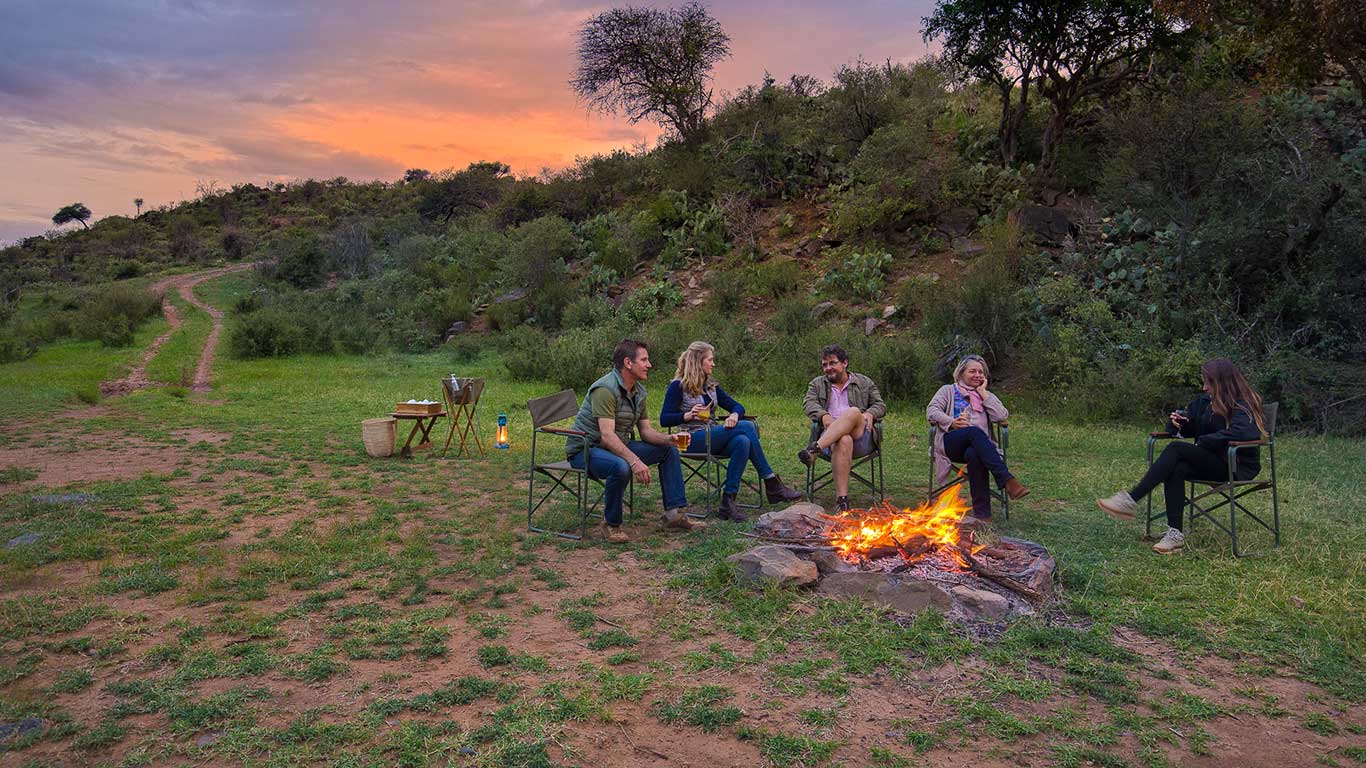
Conclusion: Practical Safari Clothing Tips That Make the Trip Easier
If someone asks me today why you should not wear white on safari, the answer is pretty simple. White clothing gets dusty fast, stains easily, stands out in nature, and often becomes uncomfortable during long wildlife drives. It might look stylish at breakfast camp photos, but for real safari comfort, it is usually not the best move.
The best safari experiences happen when you stop worrying about your clothes and simply enjoy the elephants, lions, sunsets, and wild moments around you. Practical safari clothing tips are not about fashion perfection. They are about comfort, smart choices, and making your African safari feel easier, calmer, and honestly… way more fun.