
Planning a Kenya and Tanzania safari sounds simple at first.
The Ultimate Kenya & Tanzania Safari Guide. Until the real questions begin.
Should you choose Kenya or Tanzania?
How many days do you actually need?
Is crossing the border difficult?
Should you fly or drive?
Is the migration guaranteed?
Which parks are worth the time?
What itinerary flow actually makes sense?
Most travelers quickly discover that planning an East Africa safari is not just about choosing destinations. It’s about understanding logistics, pacing, seasons, wildlife movement, comfort, and the kind of experience you truly want.
At Benuki Safaris, one thing has become very clear over the years:
A great safari is not created by adding more parks.
It’s created through thoughtful planning that puts the traveler first.
This guide was created to help travelers understand how Kenya and Tanzania safaris actually work, what to expect before arriving, and how to avoid the common mistakes that can turn a dream safari into an exhausting trip.
Why Kenya and Tanzania Work So Well Together
Kenya and Tanzania are often treated as separate safari destinations.
In reality, they complement each other exceptionally well.
- incredible accessibility,
- rich cultural experiences,
- iconic wildlife areas,
- and diverse landscapes.
- vast wilderness,
- dramatic safari scenery,
- longer uninterrupted game drives,
- and some of Africa’s most legendary wildlife regions.
When combined properly, travelers experience:
- the Masai Mara,
- Serengeti,
- Ngorongoro Crater,
- Amboseli,
- Tarangire,
- Lake Nakuru,
- and much more in one seamless East African journey.
But the keyword is:
properly.
Because safari flow matters more than most travelers realize.
The Biggest Mistake Travelers Make When Planning a Kenya & Tanzania Safari
One of the most common mistakes travelers make is booking an itinerary that looks exciting on paper but becomes exhausting in reality.
A safari should flow naturally.
For example, one of the most efficient Kenya and Tanzania safari routes is:
Amboseli → Lake Naivasha or Lake Nakuru → Masai Mara → Isebania Border → Serengeti → Ngorongoro → Tarangire or Lake Manyara → Arusha
This routing works because it minimizes backtracking and creates a smoother experience.
However, some itineraries zigzag unnecessarily across both countries, causing travelers to spend long hours repeatedly crossing large distances.
A poorly designed safari often leads to:
- fatigue,
- reduced enjoyment,
- rushed game drives,
- and less meaningful experiences overall.
This is why safari planning should never be treated like simply “adding destinations together.”
The order matters.
The pacing matters.
The traveler’s energy matters.
A smart itinerary creates rhythm.
A poor itinerary creates exhaustion.
Is It Safe to Visit Kenya and Tanzania?
This is one of the first concerns many travelers have before visiting East Africa.
And honestly, it’s understandable.
But most travelers are surprised by how welcoming, peaceful, and comfortable their safari experience actually feels once they arrive.
At Benuki Safaris, we always advise travelers to:
- follow their designated itinerary,
- remain respectful of local communities,
- and work closely with trusted safari operators and guides.
In general, Kenya and Tanzania remain highly visited safari destinations with strong tourism infrastructure in key travel regions.
Most safari lodges and camps are also located in secluded wildlife conservancies and protected areas away from large urban centers.
In situations involving demonstrations or political unrest, traveler safety always comes first.
Our team helps travelers:
- stay informed,
- reach designated embassies if necessary,
- and relocate safely when needed.
Additionally, AMREF emergency evacuation coverage provides an added layer of reassurance for many safari travelers exploring remote regions.
The reality is this:
Most travelers leave East Africa saying it felt far safer and more welcoming than they expected.

What Surprises Travelers Most About Safari in East Africa
Most travelers arrive expecting wildlife to be the highlight.
And the wildlife absolutely delivers.
But surprisingly, what many travelers remember most are:
- the guides,
- the camp staff,
- the hospitality,
- the conversations,
- and the warmth of the people.
The human side of East Africa often becomes the most emotional part of the journey.
That said, the wildlife experiences themselves are incredibly diverse depending on where travelers go.
For example:
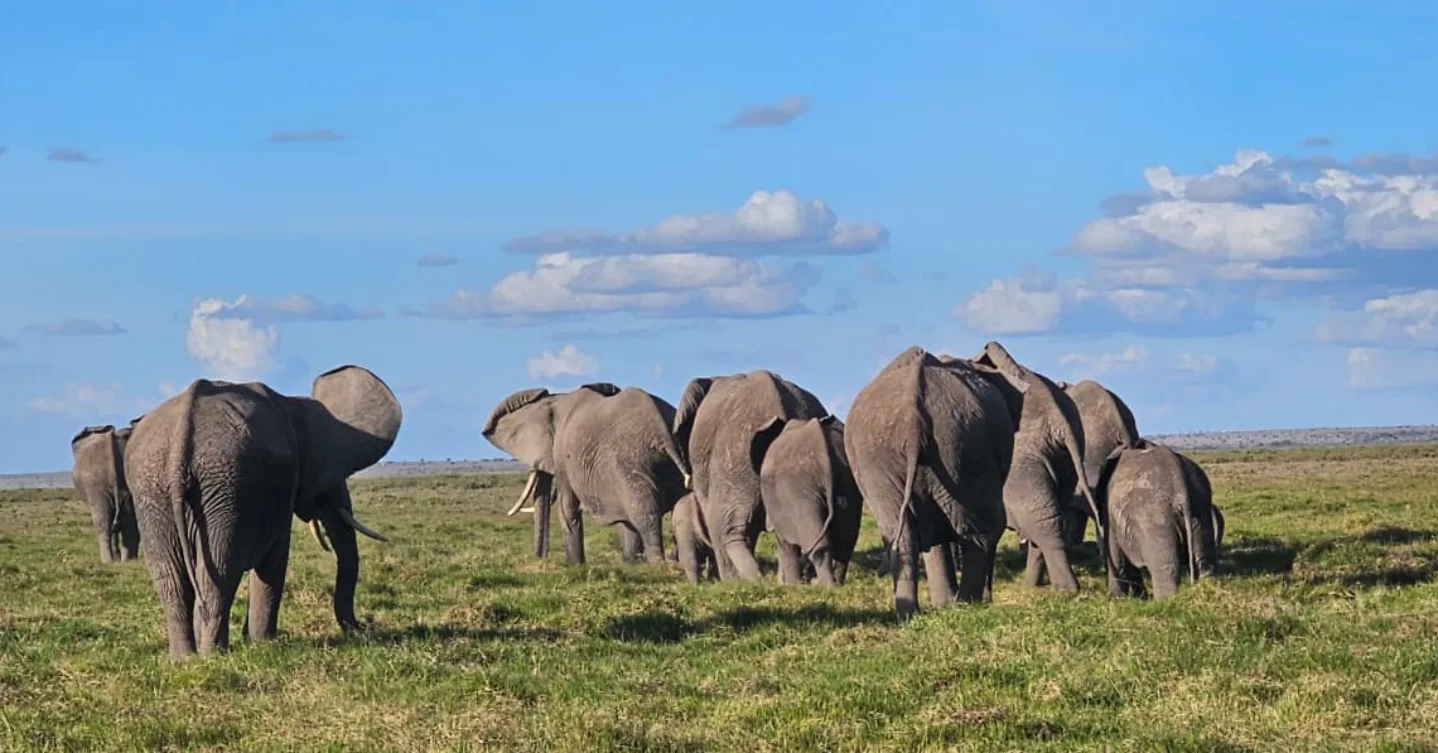
Amboseli National Park
Known for massive elephant herds moving beneath Mount Kilimanjaro.
Samburu National Reserve
Home to unique northern species not commonly found in Masai Mara, including:
- Grevy’s zebra,
- reticulated giraffe,
- Somali ostrich,
- and gerenuk.
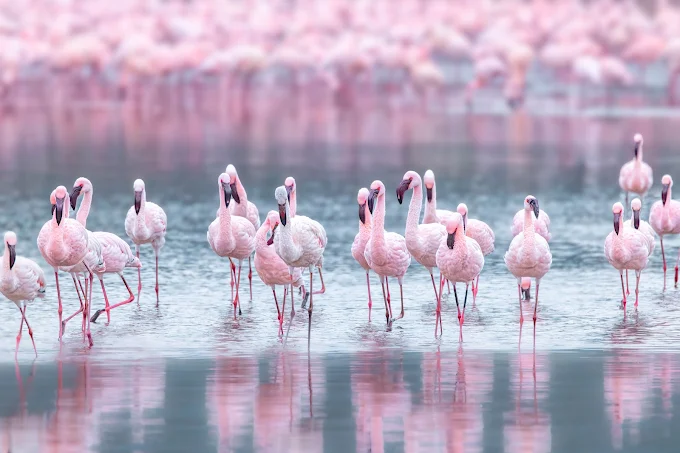
Lake Nakuru & Ol Pejeta
Powerful reminders of East Africa’s conservation efforts, especially surrounding rhino protection.
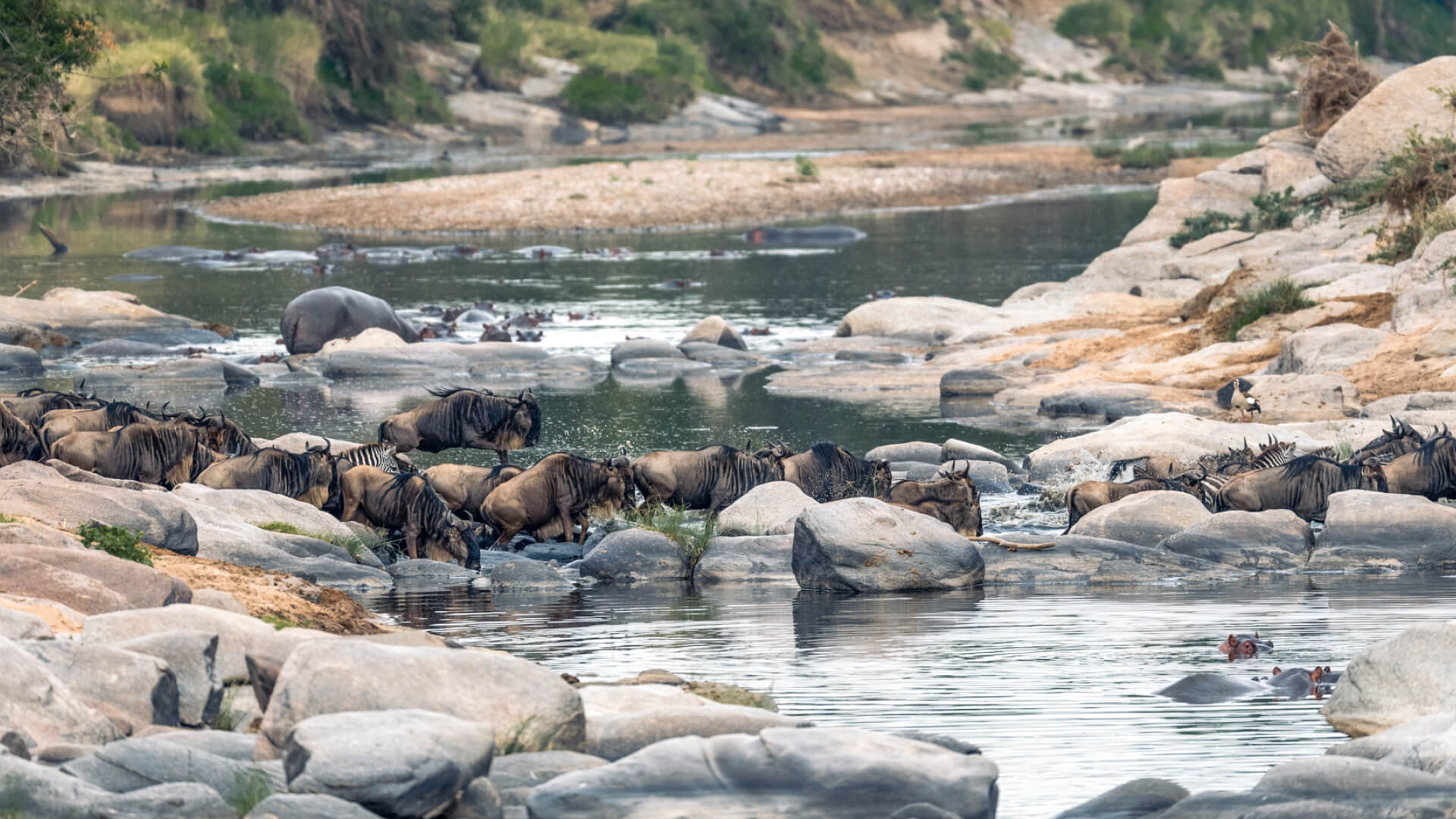
Masai Mara
One of the world’s most iconic safari ecosystems with exceptional predator sightings and migration experiences.
Each destination feels different.
And that diversity is what makes East Africa so rewarding.
Kenya vs Tanzania Safari: Which One Should You Choose?
There is no universal answer.
The right choice depends on:
- Budget
- Number of travel days
- Travel style
- Who you are traveling with
For example:
- families often require different pacing than photographers,
- seniors may prefer shorter drives,
- honeymooners may prioritize luxury camps,
- while adventure travelers may want more remote regions.
Kenya is often ideal for:
- first-time safari travelers,
- shorter trips,
- diverse activities,
- and easier logistics.
Tanzania is often better for:
- longer safaris,
- vast wilderness experiences,
- migration-focused trips,
- and travelers wanting deeper immersion.
For many travelers, combining both countries creates the best overall East Africa safari experience.
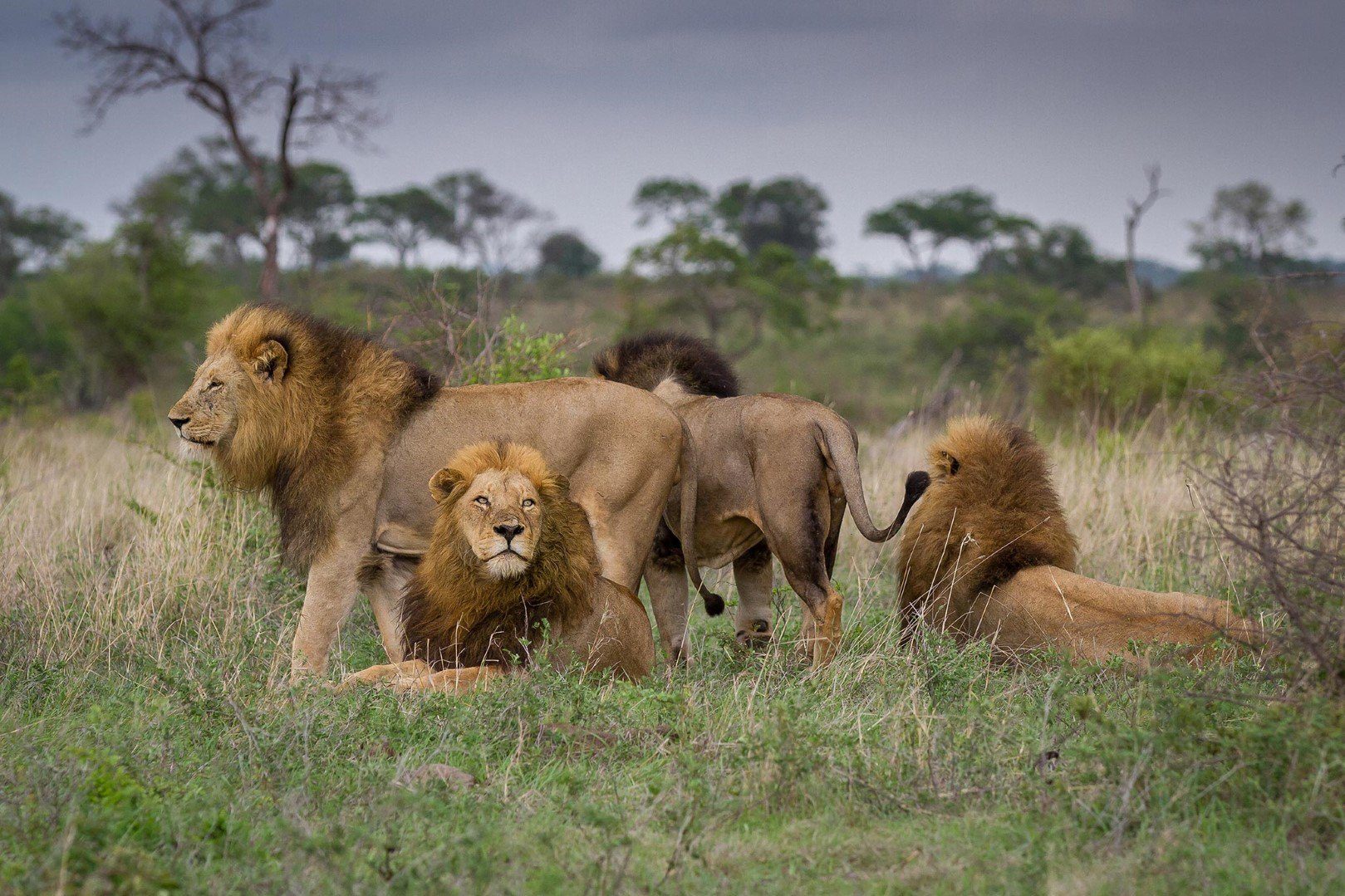
The Most Underrated Safari Region in Kenya
While most travelers focus only on Masai Mara, some of Kenya’s most rewarding safari experiences happen in the north.
Regions like:
- Samburu,
- Meru,
- and Ol Pejeta Conservancy
offer quieter, more serene safari environments with exceptional wildlife and fewer crowds.
Northern Kenya feels different.
The landscapes are harsher, more dramatic, and less commercialized.
Travelers who visit these regions often describe them as:
- intimate,
- peaceful,
- authentic,
- and deeply memorable.
For travelers wanting something beyond the standard safari circuit, Northern Kenya is worth serious consideration.
What Travelers Underestimate Before Coming on Safari
1. The Weather
East Africa sits near the equator.
When it gets hot, it gets very hot.
When it rains, it rains heavily.
Travelers often underestimate:
- the intensity of the sun,
- seasonal rainfall,
- and temperature variation between regions.
Packing properly matters more than many expect.
2. Driving Distances
Safari travel involves movement.
It is normal for travelers to spend several hours on the road during transfer days.
Some routes can involve:
- 5–6 hour drives,
- rough roads,
- and full-day transit between parks.
This is why many experienced safari planners recommend flights when the budget allows.
Flying can dramatically improve comfort, pacing, and overall enjoyment.
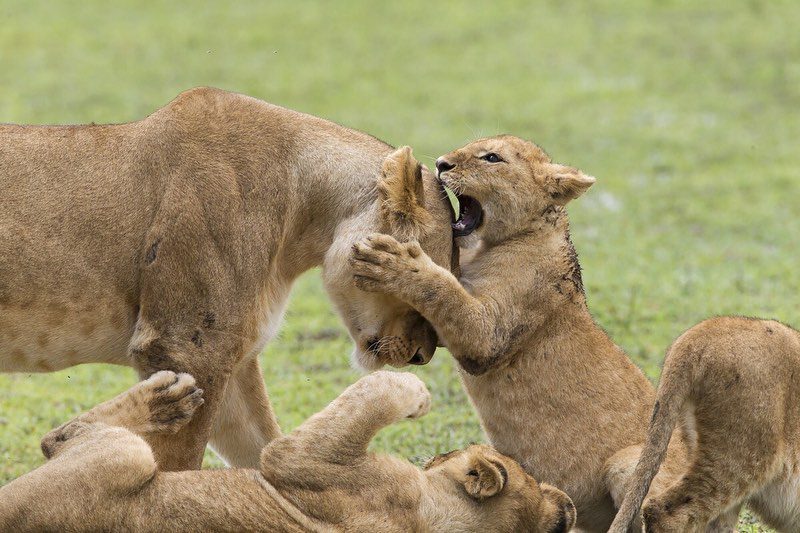
Why the Best Safaris Feel Transformative
At Benuki Safaris, we believe the best safaris are not simply vacations.
They are experiences that shift perspective.
A good safari is:
- well planned,
- thoughtful,
- personalized,
- and centered around the traveler’s needs.
But a truly unforgettable safari leaves travelers feeling changed by the experience.
That transformation can come from:
- seeing wildlife up close,
- disconnecting from everyday routines,
- experiencing different cultures,
- reconnecting with nature,
- or simply slowing down for the first time in years.
Many travelers arrive expecting a trip.
They leave feeling transformed.
And honestly, that is what East Africa does best.
Final Thoughts
A Kenya and Tanzania safari is not just about seeing animals.
It’s about:
- movement,
- emotion,
- perspective,
- people,
- landscapes,
- culture,
- and moments travelers remember for the rest of their lives.
The difference between a stressful safari and an unforgettable one often comes down to planning, pacing, and local expertise.
That’s why choosing the right safari partner matters.
At Benuki Safaris, every journey is designed around the traveler — not around generic itineraries or rushed schedules.
Because the goal is not simply to help people visit East Africa.
The goal is to help them experience it properly.
And return home transformed.