
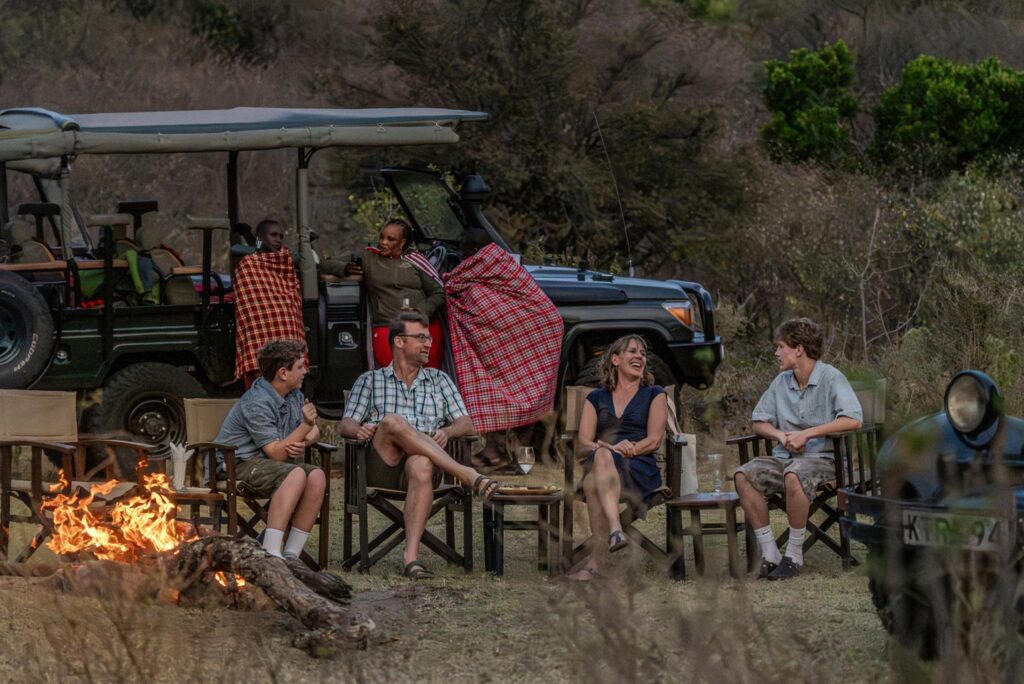
Planning a safari after 60 is one of the best travel decisions you will ever make. Your patience, life experience and appreciation for detail make you the ideal safari traveller. Kenya and Tanzania offer two of the most rewarding wildlife destinations on earth, and both are genuinely accessible for senior travellers when you plan correctly.
This guide covers everything you need: pacing, health preparation, lodge selection, solo travel safety and the practical details most travel blogs skip entirely.
Why Kenya and Tanzania Are Ideal for Senior Safari Travellers
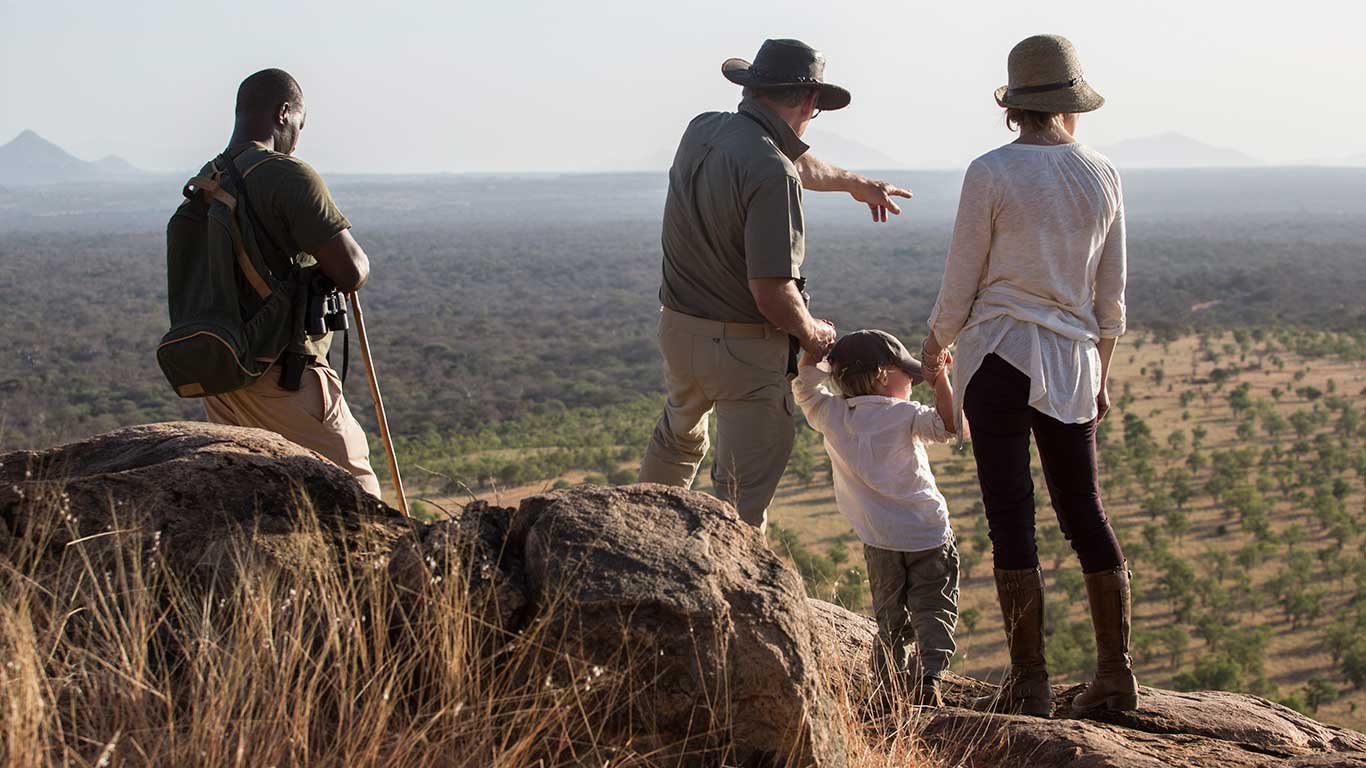
Kenya and Tanzania sit at the top of every serious safari list for good reason. Together they protect the Masai Mara, Amboseli, Serengeti, Ngorongoro Crater, Tarangire and Tsavo. These ecosystems deliver world-class wildlife viewing without requiring strenuous physical effort.
You watch the action from a comfortable 4×4 safari vehicle. You do not hike. You do not carry gear. You sit, observe and absorb. For senior travellers, this format is perfectly suited to your needs.
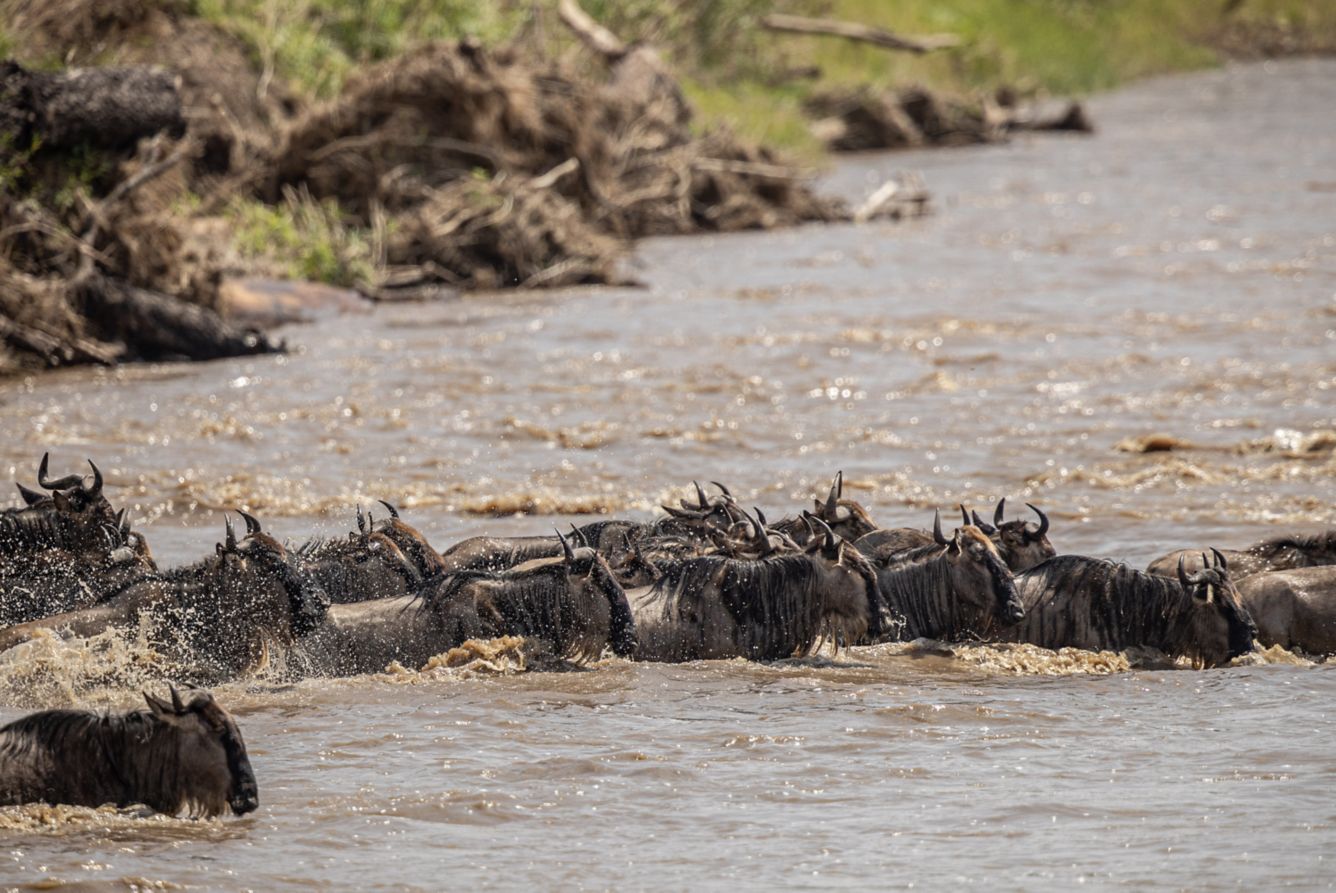
The Great Migration between the Masai Mara in Kenya and the Serengeti in Tanzania is the largest wildlife movement on earth. Roughly 1.5 million wildebeest, 400,000 zebra and 200,000 gazelle move in a continuous cycle across these two countries. You do not need to be physically fit to witness this. You need a good guide and the right timing.
The Most Important Factor: Pacing Your Itinerary
Most safari problems for senior travellers come from over-scheduled itineraries. Too many destinations, too many internal flights and too many early mornings without rest time create fatigue fast.
A well-paced senior safari looks like this:
- Minimum 3 nights per location, never fewer
- No more than 2 internal flight connections in a single day
- Morning game drives starting at 6:30am, back at camp by 10:30am
- A full afternoon rest before optional evening drives
- At least one full rest day built into every 10-day itinerary
- Airport transfers that account for mobility needs and avoid rush-hour traffic in Nairobi
Three weeks is the ideal length for a combined Kenya and Tanzania safari. Two weeks works well if you limit yourself to 3 destinations.
Health Preparation for Senior Safari Travellers
Start your health preparation 8 weeks before departure. This gives you enough time to complete vaccinations, consult your physician and sort travel insurance properly.
Key health steps:
- Visit a travel medicine clinic. Get yellow fever, typhoid and hepatitis A vaccinations confirmed.
- Confirm your malaria prophylaxis with your doctor. Both Kenya and Tanzania are malaria-risk countries. Atovaquone/proguanil (Malarone) is well-tolerated by most senior travellers.
- Bring a 2-week supply of all prescription medications beyond your expected trip length. Pharmacies in remote safari areas do not carry international prescriptions.
- Carry a written summary of your medical history and current medications in your hand luggage.
- Get travel insurance that specifically covers emergency medical evacuation. Flying Doctors Society of Africa (AMREF) covers evacuation across East Africa for approximately USD 25 per week. This is essential, not optional.
- Confirm that your insurance covers pre-existing conditions. Read the policy, not the summary.
Altitude is not a major concern on standard Kenya and Tanzania safari circuits. Ngorongoro Crater sits at 2,300 metres at the rim. Most travellers with heart or respiratory conditions do fine, but confirm with your doctor before including Ngorongoro in your itinerary.

Choosing the Right Lodges for Senior Travellers
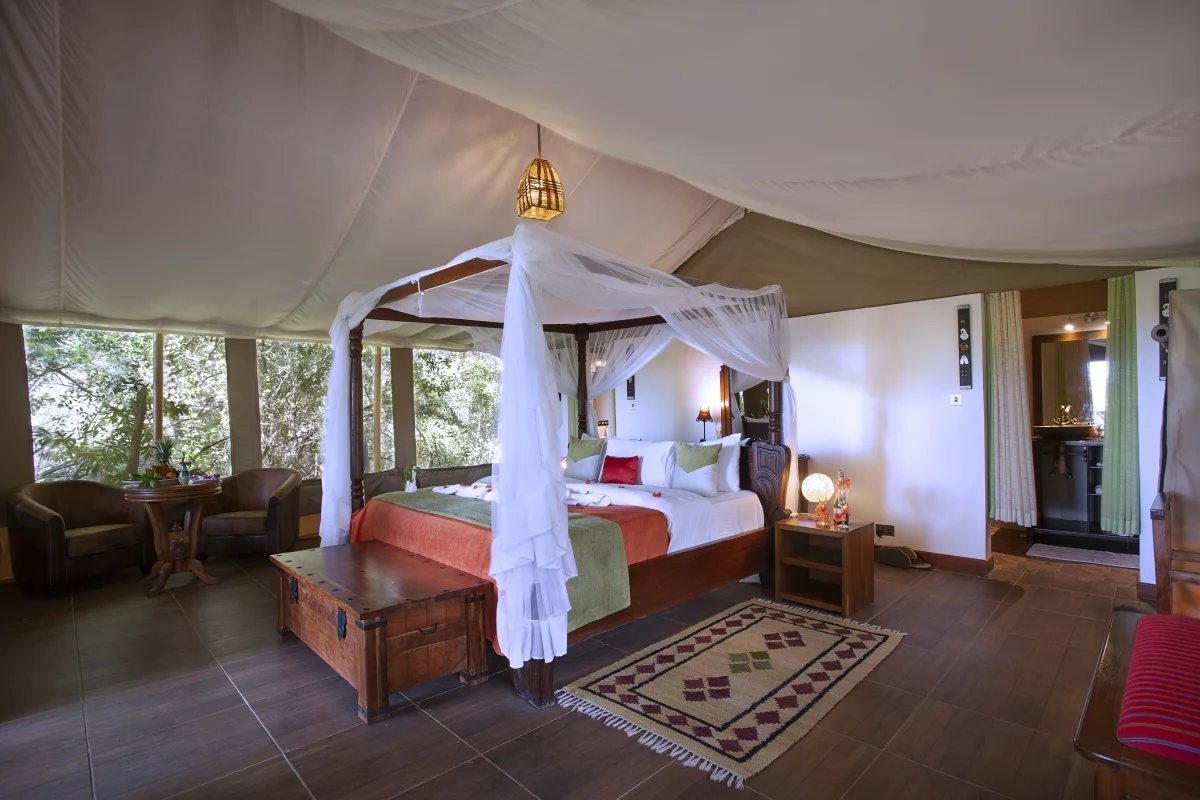
Accommodation makes or breaks a senior safari. The right lodge keeps you comfortable, reduces physical strain and puts you close to wildlife without unnecessary movement.
Look for these features when reviewing lodge options:
- Ground-floor or single-level accommodation. Avoid multi-storey tented camps with steep staircases.
- Firm, raised beds at a height that is easy to get in and out of.
- Grab rails in bathrooms and walk-in showers rather than tub-style baths.
- A camp vehicle that uses steps or a ramp rather than requiring you to climb over a high door.
- A maximum of 16 guests. Smaller camps mean more personalized service and guides who know your name.
- A medical kit on-site and staff trained in first aid.
Specific properties that consistently perform well for senior travellers include Singita Grumeti in Tanzania, Cottar’s 1920s Camp in the Masai Mara, and Sanctuary Olonana on the Mara River. These properties combine accessibility with exceptional wildlife access.
Solo Senior Safari Travel: What You Need to Know
Solo travel after 60 in Kenya and Tanzania is safe, manageable and genuinely rewarding when you book through a reputable operator. The key is structure. Solo travellers benefit most from small group departures with fixed itineraries rather than fully independent self-drive arrangements.
Here is what a well-structured solo senior safari includes:
- A dedicated camp or lodge contact who knows your dietary needs, mobility requirements and preferences before you arrive
- A guaranteed vehicle seat that does not require sharing with unknown travellers unless you choose a group departure
- 24-hour emergency contact with your tour operator throughout your trip
- Pre-booked airport arrival assistance in Nairobi or Kilimanjaro, including a named driver holding a sign
- WhatsApp check-ins with your operator every 48 hours
Single supplement costs are real. Expect to pay between 25% and 50% more for solo occupancy at most lodges. Some operators offer single-friendly group departures where you share a vehicle with compatible travellers. Ask specifically about this option if budget is a consideration.
Nairobi and Arusha are gateway cities. You do not need to explore either city alone. A one-night stopover with a hotel transfer and an organized city briefing is all you need before heading into the parks.
The Best Safari Destinations in Kenya and Tanzania for Senior Travellers
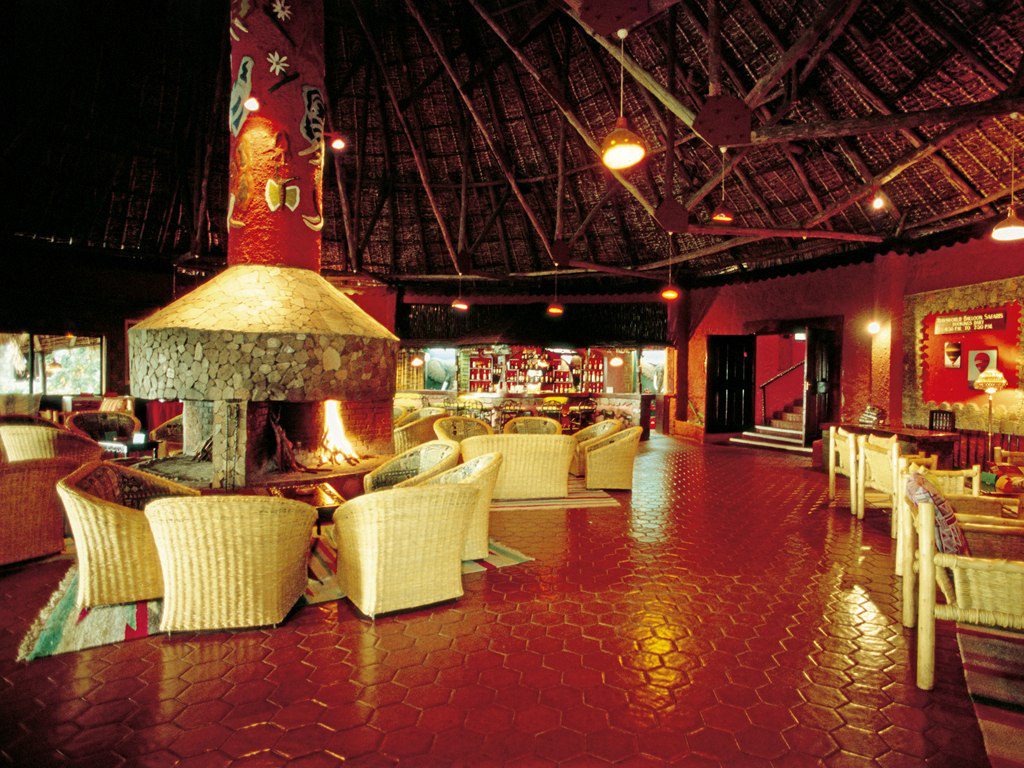
Not all parks are equal for senior travellers. Road quality, flight access and wildlife density all affect your experience.
Kenya top picks:
- Masai Mara National Reserve: Smooth internal flights from Nairobi (45 minutes). Dense wildlife year-round. The Migration arrives July to October. Excellent lodge options at all price points.
- Amboseli National Park: Famous for large elephant herds and views of Kilimanjaro. Short flight from Nairobi (30 minutes). Flat terrain, easy game drives.
- Laikipia Plateau (Ol Pejeta, Lewa): Less crowded than the Mara. Outstanding rhino and lion sightings. Excellent community tourism model.
Tanzania top picks:
- Serengeti National Park: The best year-round wildlife destination in Africa. Central Seronera has good road conditions. Northern Kogatende offers river crossings from July to October.
- Ngorongoro Crater: The world’s largest intact volcanic caldera. 600-metre descent into the crater for game drives. All wildlife is resident year-round. A half-day drive here delivers exceptional sightings.
- Tarangire National Park: Underrated and undervisited. Massive elephant concentrations from July to October. Baobab landscapes. Short airstrip transfers from Arusha.
A 12-day combined itinerary for senior travellers: 2 nights Nairobi area, 3 nights Masai Mara, fly to Kilimanjaro, 3 nights Tarangire, 2 nights Ngorongoro, 2 nights Serengeti.

Getting Around: Flights, Transfers and Ground Logistics
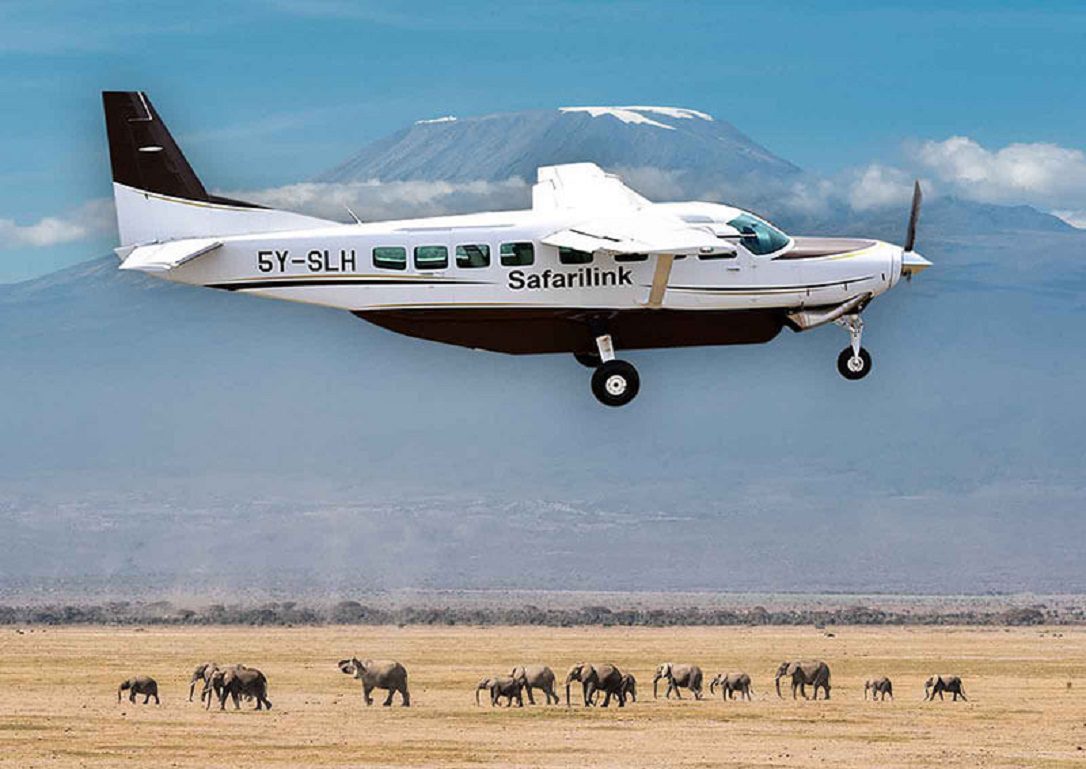
Internal flights are the right choice for senior travellers. Road transfers between parks in Kenya and Tanzania are long, rough and tiring. The road between Arusha and Tarangire takes 2 to 3 hours on good days. The road between Nairobi and the Mara takes 5 to 6 hours.
Fly whenever the flight exists. Flights between the Mara and Nairobi Wilson Airport cost approximately USD 200 to USD 300 one way. They save you half a day of bone-rattling travel.
At airports and airstrips:
- Bush airstrips in Tanzania have strict luggage limits. Most allow 15 kg total in a soft bag. Hard-shell luggage is not permitted on small aircraft. Your operator should brief you on this clearly.
- Nairobi’s Wilson Airport handles all light aircraft departures. It is a small, manageable airport with good signage.
- Kilimanjaro International Airport services Arusha and northern Tanzania. It is clean, efficient and less hectic than Nairobi Jomo Kenyatta.
Your operator should coordinate every single transfer. You should never be navigating airport pickups or drop-offs independently.
What to Pack for a Senior Safari
Pack light and pack smart. The luggage restriction on bush flights is real and enforced.
Clothing essentials:
- Neutral colours: khaki, olive, tan and grey. Avoid bright white and blue.
- Layers. Mornings in the Serengeti and Mara are cold (12 to 15 degrees Celsius). Afternoons reach 28 to 32 degrees.
- A light waterproof jacket. Rain comes quickly in both wet seasons.
- Comfortable closed-toe shoes for lodge walks. You do not need hiking boots.
- A wide-brimmed hat and UV 50+ sun protection.
Health and comfort items:
- Your full medication supply in original packaging
- A small first aid kit with blister plasters, antihistamine and rehydration sachets
- A neck pillow for game drives and flights
- Polarized sunglasses
- A small daypack that fits under your seat in a game drive vehicle
- Power bank for camera and phone charging. Lodges charge devices but outlets are limited.
When to Go: Best Timing for a Senior Safari
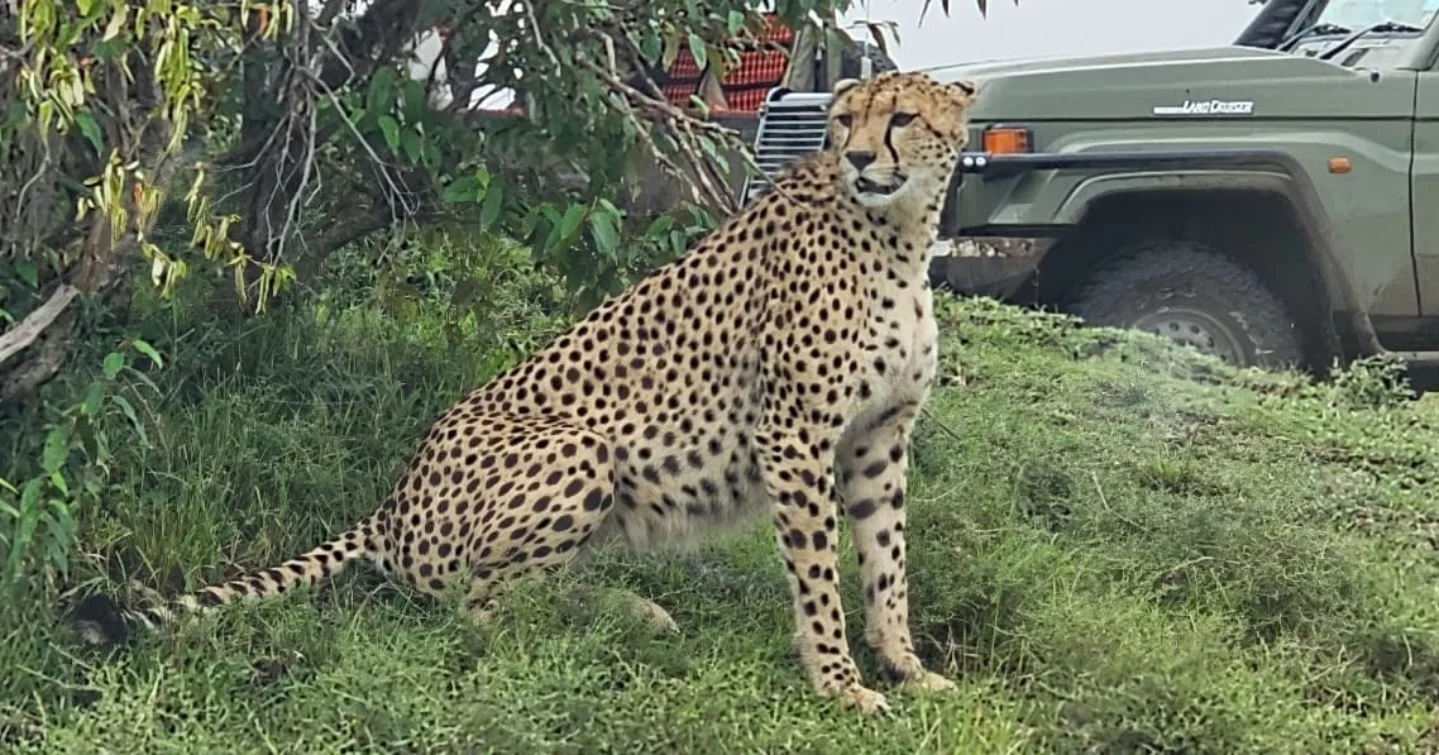
Kenya and Tanzania have two dry seasons. Both are excellent for wildlife viewing. Senior travellers benefit most from dry seasons because roads are firm, vegetation is lower (easier wildlife sightings) and temperatures are stable.
- June to October: The long dry season. The Migration is active in the Masai Mara from July to October. This is the most popular period. Book 12 months in advance for premium lodges.
- January to March: The short dry season. Lower visitor numbers. Calving season in the southern Serengeti (January to February) delivers extraordinary predator action. Prices are 20 to 30% lower than peak season.
Avoid April and May (long rains) and November (short rains) unless you have a specific reason and your lodge is accessible year-round.
How to Choose a Safari Operator as a Senior Traveller
Your operator is your safety net. Choose carefully.
Questions to ask before booking:
- Do you have experience with senior travellers and mobility considerations?
- Who is my named contact throughout the trip and how do I reach them in an emergency?
- What is your policy if I need to cut the trip short for medical reasons?
- Can you confirm all lodges on my itinerary have ground-floor accommodation?
- Do your guides carry first aid certification?
- What is your process for briefing guides on my specific needs before I arrive?
Any operator who answers these questions vaguely or deflects them is not the right choice for a senior traveller.
Look for operators who are registered with the Kenya Tourism Board, the Tanzania Association of Tour Operators (TATO) or the African Travel and Tourism Association (ATTA). These memberships indicate accountability.
A Final Word Before You Book
You have earned this trip. A Kenya and Tanzania safari is not a young person’s adventure. It rewards experience, patience and the ability to be present in extraordinary places. Senior travellers consistently report that a well-planned safari is the single most powerful travel experience of their lives.
The wildlife does not care about your age. The Mara does not ask for your fitness level. You sit, you watch and the world delivers.
Plan it properly and it will exceed every expectation you bring to it.
For a personalised senior safari itinerary built around your pace, your health needs and your budget, contact the team at kenyaandtanzaniasafari.com. We plan every trip as if we are travelling ourselves.