
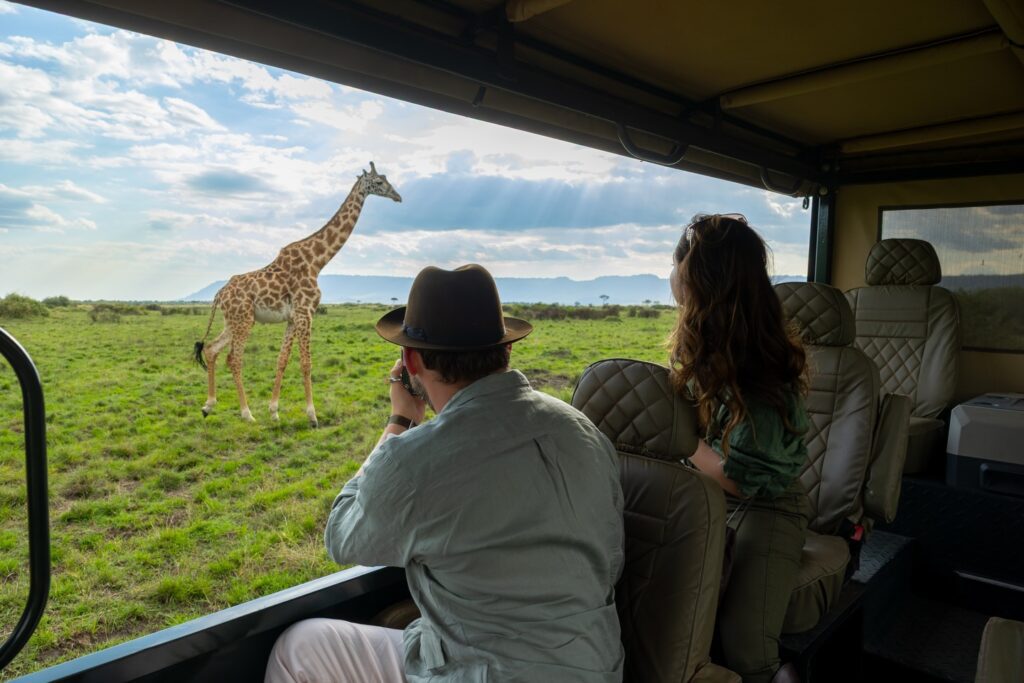
Pack for a Kenya or Tanzania Safari? I still remember one traveler telling me, “I packed everything… and somehow still forgot what mattered.” Funny enough, after helping plan safaris for travelers, I realized this happens a lot. People dream about lions, elephants, sunsets, and exciting game drives, but they rarely think about cold mornings, dusty roads, limited luggage space, or how much walking shoes suddenly matter. Preparing for safari experience sounds exciting — and it is — but smart safari packing makes the difference between a stressful trip and an amazing one.
Safari travel in Kenya and Tanzania comes with surprises. Mornings can feel chilly, afternoons hot, and evenings cool again. That means packing practical safari clothing matters more than packing stylish outfits. I’ve seen travelers arrive with bright white clothes only to discover safari dust has its own personality. After one game drive, those fresh white shirts looked completely different. Little things like neutral clothing, insect repellent, sunscreen, and comfortable shoes often become the true VIPs of safari preparation.
The good news? You really don’t need to overpack. A successful safari packing list focuses on comfort, flexibility, and smart planning. When you know what to expect, preparing for safari experience becomes much easier and honestly a lot more fun.
What Clothes Should You Pack for a Kenya or Tanzania Safari?
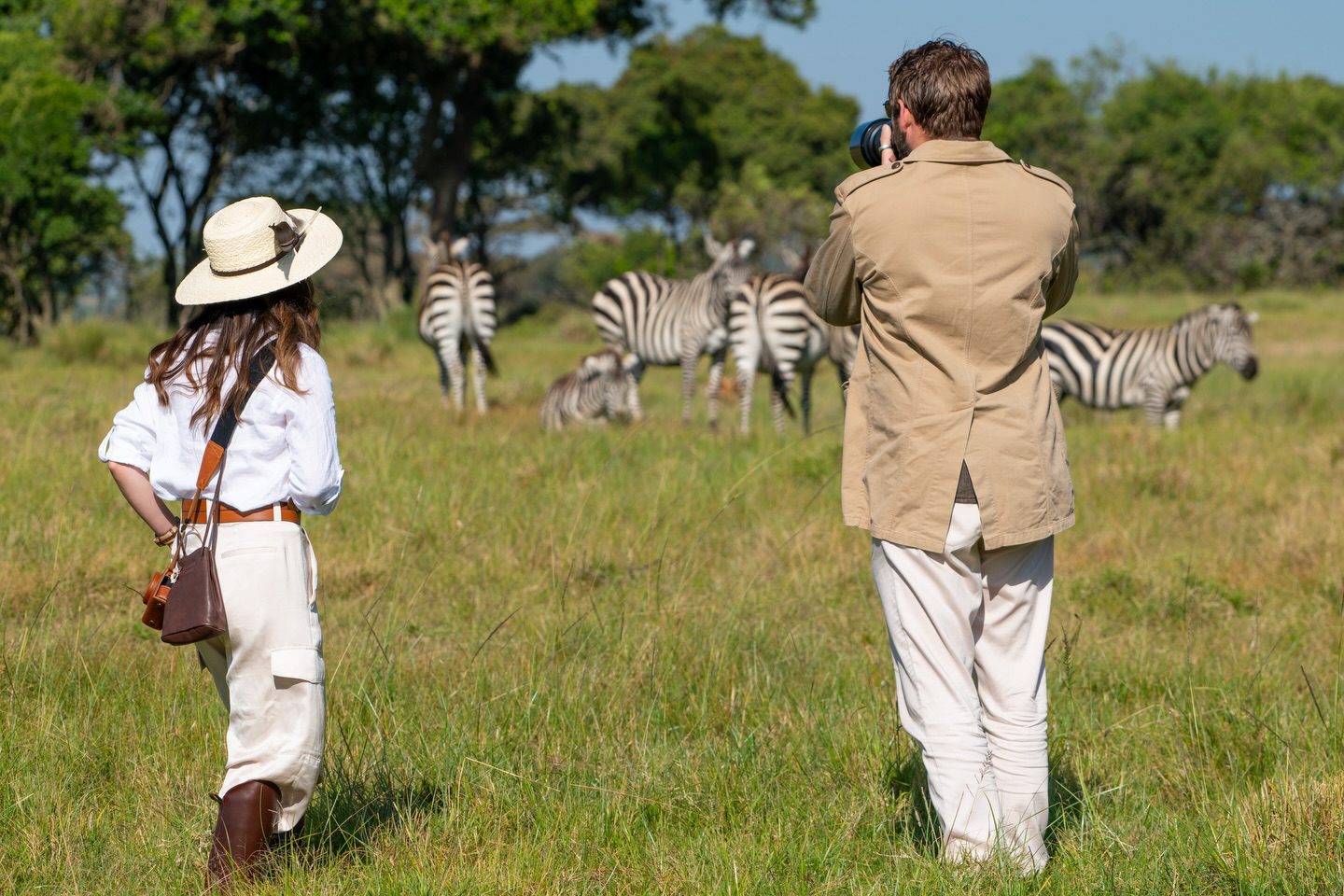
One mistake I noticed while helping travelers prepare was assuming Africa equals nonstop heat. That sounds logical, right? But early morning safari drives in places like the Masai Mara or Serengeti can feel surprisingly cold. I learned pretty fast that layering works best.
Practical safari clothing tips almost always point toward breathable fabrics and neutral colors like khaki, beige, olive green, or brown. These colors help hide dust and feel less distracting during wildlife viewing. Long-sleeve shirts are helpful for sun protection, cooler evenings, and insects too. Lightweight hiking pants work better than jeans because they dry quickly and feel more comfortable after long game drives.
Shoes matter more than people expect. Comfortable walking shoes or lightweight hiking shoes usually work best for lodge walks, airport movement, and optional nature walks. I once saw someone bring stylish city shoes and regret it by day two. It wasn’t pretty.
Why Can’t You Wear White on Safari?
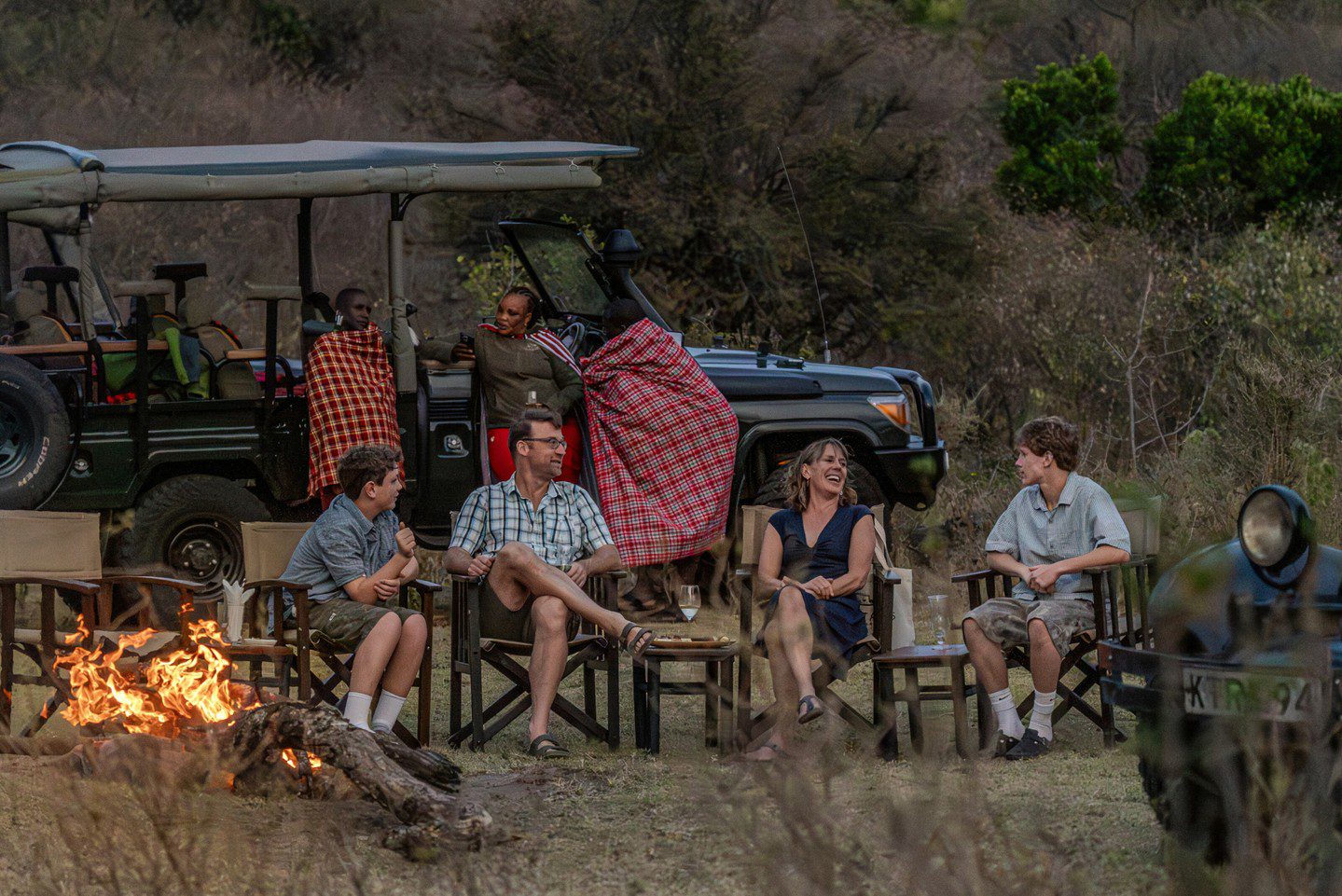
This question comes up more than people think. White clothing feels fresh and travel-friendly, but safari dust has other plans. Red dirt roads in Kenya and Tanzania stain white clothes fast. Like… really fast.
Another thing I noticed is that bright whites reflect sunlight strongly, especially during game drives. Neutral safari colors blend better into the environment and tend to feel more practical. While animals generally don’t care too much about clothing color, muted shades simply make safari travel easier and more comfortable.
Practical safari clothing tips usually recommend earthy colors for a reason. Less cleaning stress, fewer stains, and honestly you feel more safari-ready too.
Essential Safari Gear You Should Never Forget
Packing clothes is only half the job. Preparing for safari experience means bringing gear that actually improves comfort during wildlife drives.
A good safari packing list should include sunglasses, sunscreen, insect repellent, binoculars, a reusable water bottle, power bank, camera batteries, and lip balm. Dry air and dust can sneak up on people. Hand sanitizer became surprisingly useful too, especially during long travel days.
Binoculars deserve special mention because wildlife often appears farther away than people expect. I’ve watched travelers suddenly become ten times more excited once they borrowed a pair and spotted lions properly.

Health, Medication, and Travel Essentials for Safari
This section gets overlooked way too often. Prescription medication, motion sickness tablets, pain relief medicine, allergy medicine, and small first-aid basics should always make the safari checklist.
Travel insurance documents, passports, vaccination requirements, printed confirmations, and emergency contacts matter too. I learned that organized travelers usually stress less once the safari actually begins.
Hydration is also underrated. Safari days can be long and surprisingly tiring, especially under the African sun. Refillable bottles help a lot.
What Type of Bag Should You Bring on Safari?
Soft luggage wins almost every time.
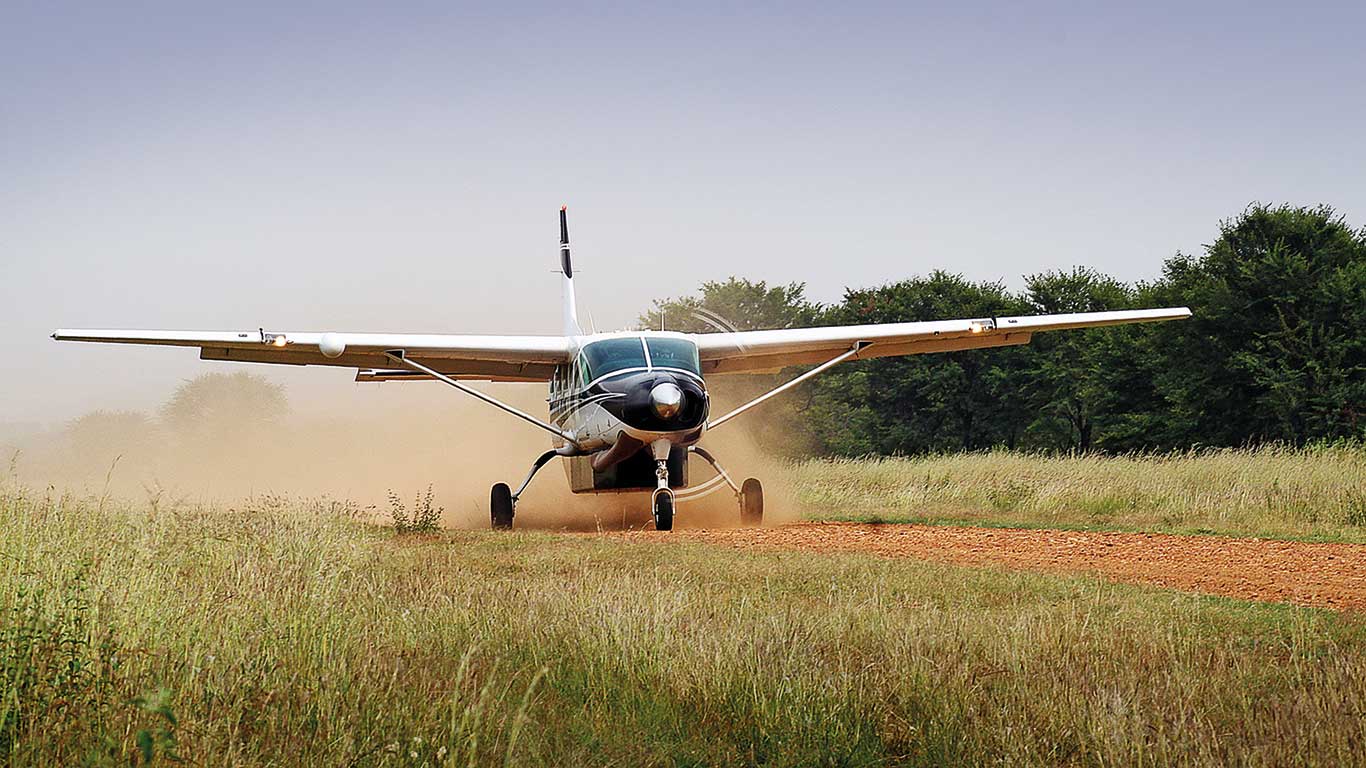
Many safari vehicles and small bush flights prefer flexible duffel bags because storage space is limited. Hard-shell suitcases can become frustrating during transfers. I’ve watched travelers struggle with oversized luggage and honestly felt bad for them.
Packing cubes also help keep safari essentials organized without creating chaos every morning.
Safari Packing Mistakes to Avoid
Overpacking happens constantly. People bring too many clothes and forget useful basics like sunscreen or medications. Another mistake? Ignoring weather changes and forgetting warm layers for sunrise game drives.
Bright clothing, uncomfortable shoes, bulky luggage, and skipping insect repellent are common issues too. It sounds small until day three when discomfort starts creeping in.
The smartest safari travelers usually pack lighter and smarter.
Preparing for Safari Experience: Final Thoughts
If there’s one lesson I learned from helping travelers prepare, it’s this — safari travel rewards practical planning. You don’t need luxury outfits or endless luggage to enjoy Kenya or Tanzania. What matters most is comfort, preparation, and flexibility.
Preparing for safari experience becomes much easier when you focus on breathable safari clothing, useful gear, comfortable shoes, medications, and simple safari essentials. Trust me, once you’re watching elephants at sunrise or hearing lions at night, you won’t care about packing fancy extras.
Pack smart, travel light, and leave room for adventure. The memories usually take up more space than the luggage anyway.