

Planning a solo safari Kenya or Tanzania doesn’t mean going without support.
“You booked your flight. You told your friends. And then someone said, “You’re going alone?” Yes. You are. And you’re making one of the best decisions of your life.
Solo safari in Kenya and Tanzania is not a compromise. It’s a choice. A deliberate, powerful one. You move at your own pace. You ask every question you want. You sit with the silence of the Maasai Mara at dawn without negotiating anyone else’s schedule.
But let’s be honest. Solo travel in East Africa comes with real questions that deserve real answers. Not reassurances. Not marketing language. Actual, practical information that helps you plan with confidence.
This guide gives you exactly that.
The Safety Reality in Kenya and Tanzania
Let’s start with what people don’t say out loud when travelling or going on safari alone in Africa
Kenya and Tanzania are not the Africa you see in tabloid headlines. They are two of the continent’s most visited, most developed tourism destinations. Millions of travellers pass through Nairobi, Arusha and the Serengeti corridor every year. The safari infrastructure here is mature, well-regulated and built on decades of international travel.
That said, safety is not uniform. It depends on where you go, who you book with and how you plan.
Here is what you need to know.
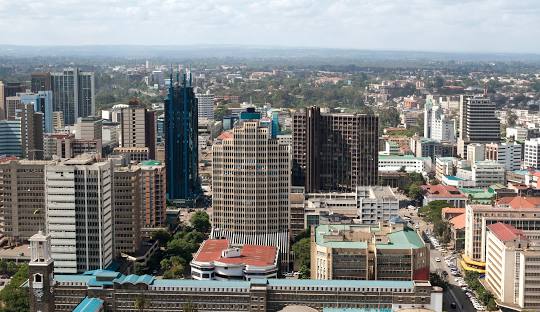
Nairobi: The city requires awareness. Use app-based transport like Uber or Bolt. Avoid walking in unfamiliar areas at night. Stay in tourism-friendly neighbourhoods like Westlands, Karen or Gigiri. Your lodge or hotel will always advise you on safe movement.
Safari areas: Amboseli, the Maasai Mara, Serengeti, Ngorongoro, Tarangire and Lake Manyara are all considered safe for solo travellers. You are in a private vehicle or small group vehicle with a trained driver-guide at all times. You do not walk alone in wildlife areas. The guide manages your security from the moment you leave camp.
Tanzania: Arusha is the base for most northern circuit safaris. It’s a tourism town. Exercise standard urban awareness and you’ll be fine.
The real risk for solo travellers is not wildlife or crime. It’s making uninformed bookings with operators who lack the structure to support individual travellers. Always verify your operator is registered with the Kenya Tourism Regulatory Authority or the Tanzania Tourism Board. Ask for references.
Small Group Departures vs Private Solo Itineraries
This is the most practical decision you’ll make as a solo traveller.
Small group departures Why Small Group Safaris Are the Smartest Way to See East Africa
If you have been pricing safaris online, you already know the problem. A private safari is extraordinary. It is also expensive. When every cost falls on one or two people, the numbers climb fast.
Small group departures exist to solve exactly this.
You share a vehicle with three to seven other travellers. The operator fixes the departure dates in advance. Everyone splits the running costs. Your per-person price drops significantly without touching the quality of the experience. You still get the professional guide, the dedicated vehicle. You simply share the bill.
The social element is entirely yours to manage. Some travellers finish a seven-day Serengeti circuit and stay in touch with their group for years. Others keep quietly to themselves, enjoy every game drive and part ways at the end without exchanging a single contact. Both are completely normal. A good small group safari makes room for both without anyone feeling awkward about it.
This Is Not a Coach Tour
The moment I mention group travel, some people picture a large bus, a rushed schedule and forty strangers queuing for the same photo opportunity. A small group safari is nothing like that.
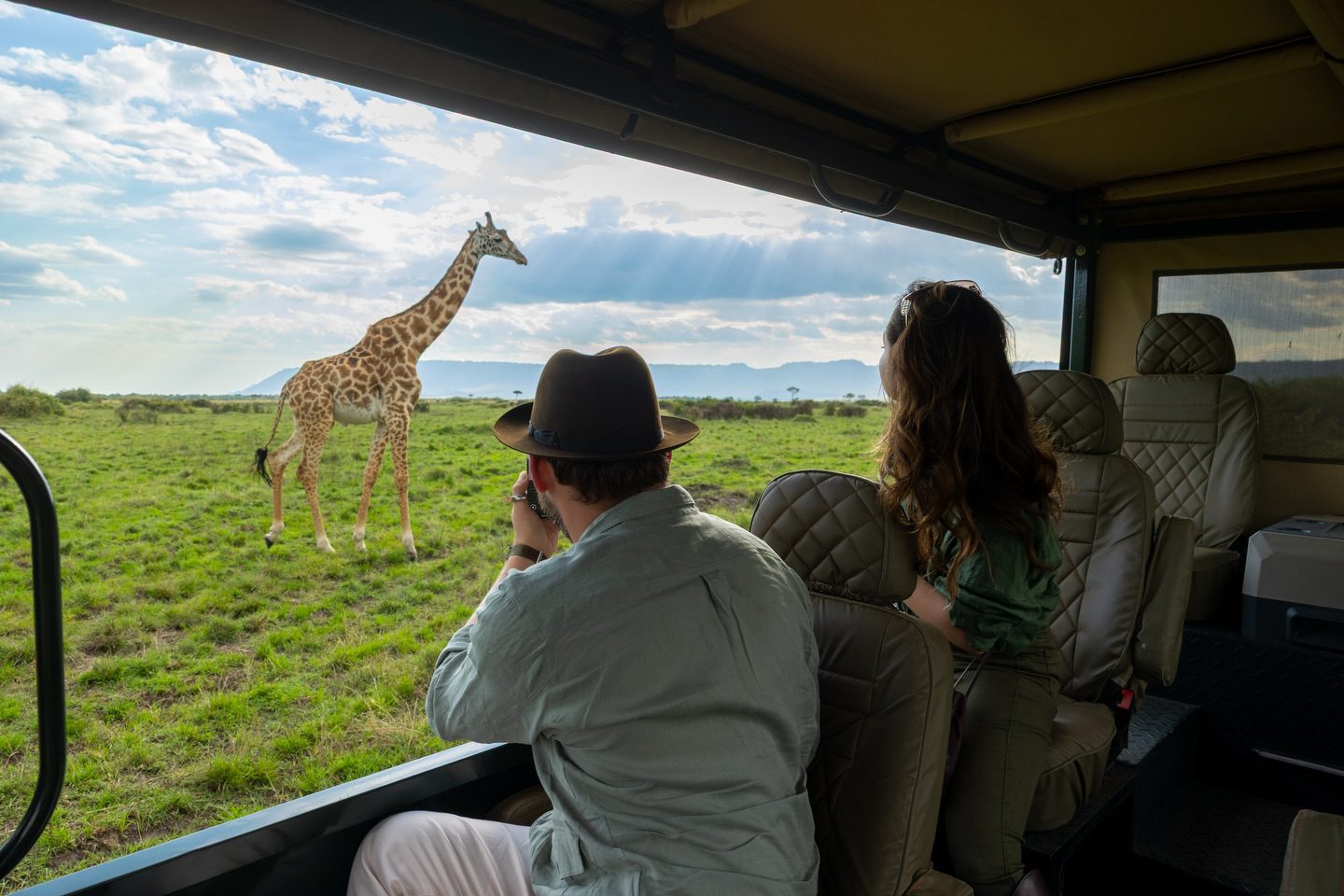
Your vehicle holds between four and seven people. When your guide picks up fresh lion tracks in Amboseli and follows them to a pride resting under an acacia, the vehicle stops. No one is checking a timetable. No one is hurrying you back. The guide watches the animals, reads the light and decides when it makes sense to move. You photograph. You watch. You ask questions and get real answers.
In the Masai Mara, the difference between a twelve-seat vehicle and a six-seat vehicle is visible in the animals themselves. A smaller, quieter vehicle causes less disturbance. You approach closer. The experience is calmer. Your photographs reflect it.
Wildlife photographers who visit East Africa repeatedly almost always move from large group tours to small group departures within their first two trips. The difference is that clear.
How the Logistics Actually Work
Most reputable Kenya and Tanzania operators run small group departures throughout the year. You choose a start date, pay a deposit and the operator confirms your seat once minimum numbers are met. You do not need to know anyone else in the group before you travel.
By the time you land at Jomo Kenyatta International Airport in Nairobi or Kilimanjaro International Airport in Arusha, the vehicle is ready, the guide is waiting and the itinerary is set. The operator has already handled everything between your arrival gate and your first game drive.
Standard small group circuits in Kenya cover parks like Amboseli, the Masai Mara and Lake Nakuru. Tanzania circuits typically move through Tarangire, the Serengeti and Ngorongoro Crater. Some operators combine both countries into a single itinerary, which gives you an extraordinary range of ecosystems and wildlife in one trip.
What We Do Differently at Benuki Safaris
Our small group departures are capped at six travellers per vehicle. Not seven. Not eight. Six.
This is a deliberate decision and it shows up in specific ways on the ground.
At six people, a game drive feels intimate. When the guide stops at a cheetah sighting on the open Mara plains, there are six sets of eyes on the same animal. Six questions get answered properly. Six cameras find the angle they need without anyone leaning over a neighbour’s shoulder or waiting for a clear window.
Meals at the lodge feel like a table of people who chose to eat together rather than a dining hall with assigned seating. Conversations build gradually over the course of the circuit. By day four in the Serengeti, you know your fellow travellers well enough to share a laugh over dinner, but nothing in the itinerary ever forces togetherness on anyone.
Our vehicles are custom-fitted Land Cruisers with fully opening roof hatches. Every seat is a window seat. If you travel with a camera and a long lens, this matters more than almost any other detail we offer.
Who Actually Books These Departures
Solo travellers make up the largest share of our small group bookings. They come for the cost savings, the structure and the quiet reassurance of travelling with a vetted group and a guide who knows the roads. Arriving alone in Nairobi and heading into the bush with a group of like-minded travellers feels very different from navigating it entirely on your own.
Couples on a budget book regularly too. A small group departure brings the quality of a private safari experience within reach of a much more realistic budget. The guide’s attention is distributed across the group, but the vehicle, the lodges and the itinerary are the same standard.
Retired travellers and seniors book because the pacing is manageable. Early morning game drives, a midday rest and an afternoon drive back out is a rhythm that suits most bodies and most energy levels. There is no driving yourself, no navigating unfamiliar roads and no logistics to manage alone. The group provides easy companionship and the guide handles everything else.
First-time visitors to East Africa book because structure removes anxiety. You land, someone meets you, and from that point forward you are in capable hands. Everything is planned. Nothing is improvised.
The Best Times to Travel
Our small group departures run year-round. Peak booking periods follow two of East Africa’s most celebrated wildlife events.
The Great Migration moves through the Masai Mara between July and October, when enormous herds of wildebeest and zebra cross the Mara River in one of nature’s most dramatic spectacles. The calving season in the southern Serengeti runs from January through March, when hundreds of thousands of wildebeest calves are born across the short grass plains and every predator in the ecosystem is active.
Both periods fill quickly. If either event is on your list, book early.
If none of our published departure dates work for your schedule, we also build custom small group departures for private parties of four or more travellers at any time of year. Same vehicle, same guide standard, same cap of six.
A Final Thought
Safari is one of the few travel experiences that genuinely changes how you see the world. It is not a theme park or a highlight reel. It is real, unscripted and sometimes slow in ways that turn out to be the best parts.
A small group departure gives you access to that experience at a cost that makes sense, with people around you who chose the same thing you did. The guide does the work. You do the watching.
Private solo itineraries A private safari gives you complete freedom to experience Africa on your terms. The vehicle, the guide, and the daily schedule are reserved exclusively for you and your travel party. There are no shared game drives, no compromises, and no fixed group schedules to follow.
Your safari moves at your pace. If a pride of lions settles near the road and you want to stay longer, you stay longer. If a cheetah begins stalking through the grass and the moment feels promising, your guide waits with you instead of leaving to meet another guest’s schedule. Every wildlife sighting becomes more personal because your experience is shaped entirely around your interests.
Flexibility extends beyond game viewing. You decide when the day starts and how it unfolds. You might choose an early sunrise drive followed by a long bush breakfast, or a relaxed morning with a later departure. If you are tired after a full day in the wilderness, you can skip the evening sundowner stop and return directly to camp. If you want to focus on photography, birding, big cats, or quieter areas away from crowds, your guide adapts the experience around those preferences.
This level of exclusivity also creates a deeper connection with your guide. Without other guests in the vehicle, your guide focuses entirely on your interests, questions, and pace of travel. The experience becomes more immersive, personal, and rewarding.
The main consideration with a private safari is cost. Private safaris are priced per vehicle rather than per person. This means the daily cost of the safari vehicle, professional guide, fuel, park fees, and operations is shared only among the people travelling together. For couples, families, or small groups, the cost is divided across the group and often represents excellent value for the level of privacy and flexibility provided.
For solo travellers, the pricing structure means covering the full vehicle and guide cost independently. While this creates a higher overall price compared to joining a shared safari, many travellers find the exclusivity, comfort, and complete freedom well worth the investment. A private safari is not simply transportation through the bush. It is a fully personalised wildlife experience designed entirely around you.
Which should you choose?
Choose a small group departure if you want to keep your budget manageable and are open to shared experiences. Choose a private itinerary if budget is flexible and full autonomy is your priority.
Both options are available through Benuki Safaris. We’ll help you match the right format to your travel style.
Single Supplements: What They Are and How to Reduce Them
The single supplement is the fee lodges and camps charge when a room built for two occupants is used by one person. It’s a real cost and it adds up quickly in East Africa where tented camps price their inventory on a per-person-sharing basis.
Here’s how it works in practice. A mid-range tented camp in the Serengeti might charge $450 per person per night sharing. Solo, you pay a single supplement that brings your effective cost to $600 to $700 per night for the same room.
How to reduce single supplements:
Book small group departures. In a group format, the accommodation cost is shared even though your tent is private. The single supplement is either absorbed or significantly reduced.
Travel in shoulder season. April, May and November see lower occupancy across most East African camps. Operators are more flexible on single supplements during these months.
Ask Benuki Safaris to negotiate directly with properties. We have long-standing relationships with camps across Kenya and Tanzania. On select itineraries, we secure single supplement waivers or reductions for our solo travellers.
Choose bush camps over luxury lodges. Smaller, owner-managed bush camps are often more flexible on solo pricing than large franchise properties.
Be honest about your budget upfront. When you brief us on your safari, tell us your per-night ceiling. We build the itinerary around what’s realistic for you.

Lodges and Camps That Genuinely Welcome Solo Travellers
Not every lodge knows how to host a solo traveller well. Some seat you alone at dinner in silence. Others barely notice you arrived.
The camps and lodges that do it right share a few traits. They have solo-friendly communal spaces. Their staff check in on guests individually. Their guides take time to understand what you want from each game drive.
Across Kenya and Tanzania, the following property types consistently deliver for solo travellers:
Owner-managed tented camps in the Maasai Mara tend to be warm and personalised. Properties like Governors’ Camp and Zebra plains have hosted solo travellers for decades. Evening meals are communal and guest numbers are small, so you connect with other travellers naturally.
Northern Tanzania’s classic camps in the Serengeti, such as Nomad Tanzania’s Lamai Serengeti or Asilia’s Sayari Camp, are known for skilled guiding and attentive hosting. Solo guests are seated with other travellers at mealtimes and guided activities create organic social moments.
Amboseli’s smaller lodges offer excellent value for solo travellers. Kibo safari camp is a strong choice. Staff know their guests by name within hours of arrival.
At Benuki Safaris, we vet every property we recommend. We ask camps specific questions about how they manage solo guests before we place anyone there.

Communication and Emergency Planning for Solo Travellers
This is the part of solo travel planning that most people skip. Don’t skip it.
Before you travel:
Share your full itinerary with someone at home. Include lodge names, phone numbers and your driver-guide’s name and contact. Update them each time you move to a new property.
Register with your country’s embassy in Kenya or Tanzania. This is free and takes ten minutes. In an emergency, your government can locate and assist you.
Get a travel insurance policy that includes emergency medical evacuation. In East Africa, serious medical situations require airlifting to Nairobi. Medical evacuation from the Serengeti to Nairobi costs upwards of $15,000 without insurance. Policies covering this are available from $80 to $150 for a two-week trip.
In the field:
Your Benuki Safaris driver-guide carries a communication device at all times. In remote areas, this is a satellite communicator or HF radio, not just a mobile phone. We brief every solo traveller on emergency protocols before departure.
Purchase a local SIM card on arrival in Nairobi or Arusha. Safaricom in Kenya and Vodacom in Tanzania both offer affordable data plans. WhatsApp communication works well across most safari regions with a local SIM.
Know the emergency numbers. Kenya: 999 or 112. Tanzania: 112. Flying Doctors Society of Africa (AMREF) covers medical emergencies across East Africa and works with most travel insurers.
At your lodge:
Tell your camp manager or front-of-house team that you’re travelling solo. Not because you need babysitting. Because it means they’ll notice faster if something is off. Good camps do daily wellness checks on solo guests as a matter of course.
Female-Specific Safety: What You Actually Need to Know
Solo female safari in Kenya and Tanzania is more common than the internet suggests. Women travel alone across East Africa every week. Many return year after year.
That said, female solo travellers face a layer of social navigation that male travellers don’t. Here’s what’s true and what’s practical.
Cultural context: Both Kenya and Tanzania are socially conservative in many areas. Modest dressing outside of camp and lodge environments is respected and appreciated. This is not a safety rule. It’s a cultural one. In safari areas, your standard kit of neutral clothing already aligns with this.
Urban navigation: In Nairobi and Arusha, avoid travelling alone at night on foot. Use Uber, hotel or tour operators vehicles. In your hotel or lodge, you’re safe. The transition moments are where to exercise care.
At camp: Safari camps are secure environments. They are fenced or have perimeter lighting and security staff. Most have strict protocols about guests walking alone after dark due to wildlife, not crime. Your guide escorts you between your tent and common areas after dark.
Choosing your operator matters enormously. A female solo traveller needs an operator who has placed women in the field before. Ask directly: How many solo female travellers did you host last year? What protocols do you have for female guests? At Benuki Safaris, solo female travellers are one of our fastest growing client segments. We’ve refined our approach based on direct feedback from the women we’ve taken on safari.
Vehicle dynamics: If you’re on a small group departure, you’ll share a vehicle with other travellers. You don’t know them in advance. We manage group composition with care and our team is reachable throughout your safari if anything feels off.
Solo Safari Tips That Make a Real Difference
Solo Safari Tips That Make a Real Difference
travelling or going on safari alone in Africa? these are the practical details that experienced solo travellers will tell you after the fact.
Pack light enough to manage your own luggage. Bush planes in Kenya and Tanzania have strict weight limits, typically 15kgs and in soft bags. This is non-negotiable and applies to everyone.
Carry a small first aid kit with your personal medications clearly labelled. Pharmacies exist in Nairobi and Arusha but are rare in safari areas.
Bring a good book or downloaded content for lodge downtime. Afternoons between game drives are quiet. This is a feature, not a flaw.
Budget for tipping. Your driver-guide, lodge staff and camp team depend on tips as part of their income. The standard in East Africa is $10 to $20 per day for your guide and $5 to $10 per day for camp staff as a whole.
Tell your guide what you want from the experience. You’ve come alone. You don’t need to compromise. If you want to spend 90 minutes watching a lion family rather than moving on, say so. A good guide will follow your lead.
Why Benuki Safaris for Your Solo Trip
We’re not the right operator for everyone. But we are the right operator for solo travellers who want honesty, structure and a team that stays in contact throughout the journey.
We match you to the right format, whether small group or private. We manage single supplement costs proactively. We brief you on communication and emergency protocols before you land. And we have guides on the ground in Kenya and Tanzania who know how to care for a traveller who’s on their own.
You don’t need a travel partner to do this trip. You need a good operator.
We’re ready when you are. Reach out to the Benuki Safaris team to start building your solo itinerary today.
Benuki Safaris is a registered safari operator specialising in sustainable, inclusive and community-connected travel across East Africa.